




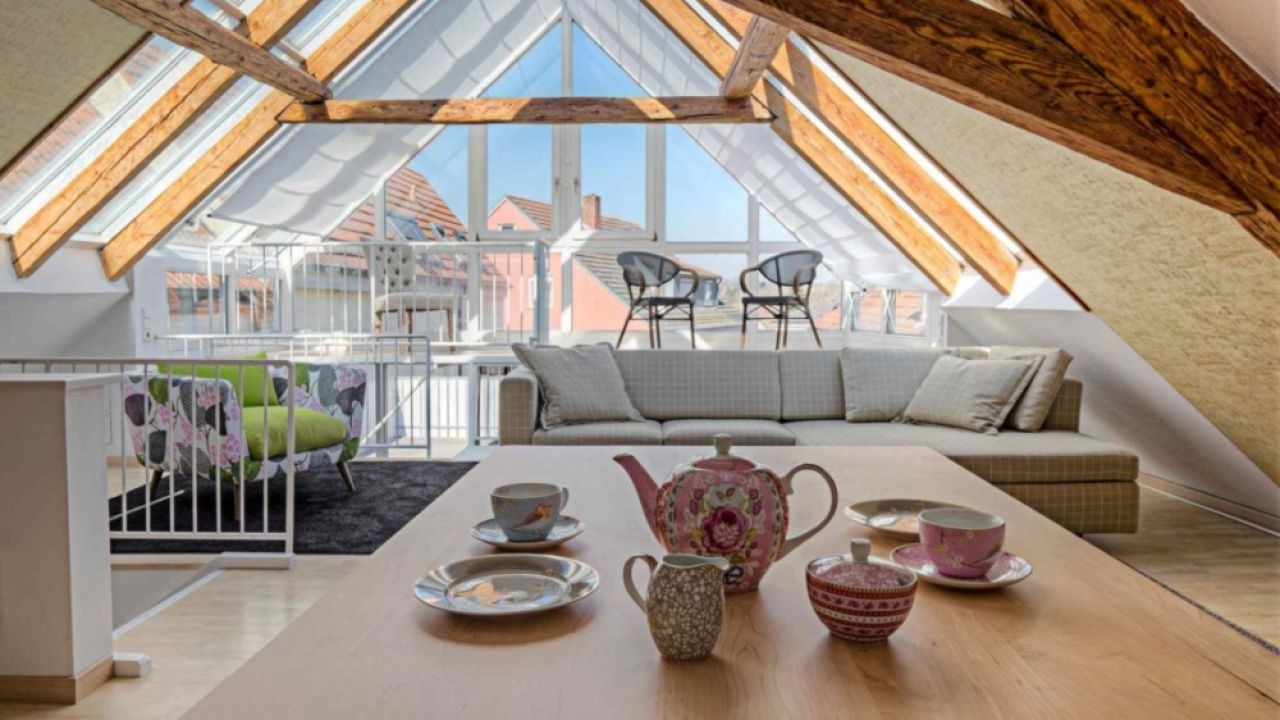
In the heart of the Southern Hemisphere, where the landscapes are as diverse as the cultures that inhabit them, New Zealand presents unique opportunities and challenges for homeowners. One such opportunity lies literally above our heads—the untapped potential of attic space. With rising housing costs, a burgeoning population, and a love for innovation, converting attic spaces into functional living areas is becoming an appealing venture for many Kiwis. This guide will explore the nuances of attic conversions in New Zealand, providing insightful tips, local context, and actionable strategies to maximize the value of your home.
Understanding the Importance of Attic Conversions in New Zealand
In recent years, New Zealand has experienced a significant housing shortage, driving property prices to unprecedented levels. According to Stats NZ, housing prices surged by 27% in 2023 alone, highlighting the urgent need for cost-effective housing solutions. Attic conversions offer a practical and innovative way to expand living space without the costs associated with new builds or extensive renovations. Furthermore, the New Zealand government has been encouraging sustainable building practices, making attic conversions an eco-friendly option for homeowners looking to maximize their property’s potential.
Step-by-Step Guide to Attic Conversions
1. Assessing the Feasibility
Before embarking on an attic conversion, it’s crucial to assess the structural viability of your space. Consider the pitch of your roof, the existing headroom, and the overall condition of your attic. New Zealand’s building code mandates specific requirements for habitable spaces, including a minimum ceiling height of 2.2 meters. Consulting with a structural engineer can provide clarity on the feasibility of your project.
2. Planning and Design
Once you’ve confirmed the feasibility, the next step is to plan the design. Consider the intended use of the space—will it be a bedroom, office, or recreational area? The design should incorporate natural light, insulation, and ventilation to create a comfortable living environment. Leveraging New Zealand’s expertise in sustainable building, consider utilizing eco-friendly materials and energy-efficient solutions to align with the nation’s commitment to sustainability.
3. Navigating Building Regulations
In New Zealand, any significant renovation requires adherence to local council regulations. This includes obtaining the necessary permits and ensuring compliance with building codes. The Ministry of Business, Innovation and Employment (MBIE) provides comprehensive guidelines on building standards, which are crucial to ensuring the safety and legality of your conversion.
4. Budgeting and Financing
Budgeting is a critical component of any renovation project. On average, attic conversions in New Zealand can range from NZD 30,000 to NZD 80,000, depending on the scale and complexity of the project. Exploring financing options such as home improvement loans or leveraging home equity can ease the financial burden. Additionally, consider the potential increase in property value post-conversion—an attic conversion can boost home value by up to 20%, according to NZ Property Investors’ Federation.
Case Study: A Real-World Example from Wellington
Case Study: The Smith Family’s Attic Transformation
Problem: The Smith family in Wellington faced a common issue—limited living space with a growing family. Their home’s layout didn’t allow for easy expansion, and moving was not an option due to high real estate costs.
Action: They decided on an attic conversion to create an additional bedroom and study area. Working with a local architect, they designed a space that maximized natural light and incorporated eco-friendly insulation materials.
Result: The project was completed in six months. The Smiths reported a 25% increase in their property’s market value, and the additional space significantly improved their quality of life.
Takeaway: This case highlights the potential of attic conversions to solve space issues and increase property value, especially in urban areas where space is at a premium.
Pros and Cons of Attic Conversions
Pros:
- Increased Living Space: Adds valuable square footage to your home.
- Enhanced Property Value: Can increase home value by up to 20%.
- Sustainability: Utilizes existing structures, minimizing environmental impact.
- Customizable: Tailor the space to meet your specific needs.
Cons:
- Cost: Initial investment can be substantial.
- Regulatory Hurdles: Navigating building codes and obtaining permits can be complex.
- Structural Limitations: Not all attics are suitable for conversion.
Debunking Common Myths About Attic Conversions
Myth: Attic conversions are only for large homes.
Reality: Even small homes can benefit from attic conversions. By utilizing clever design and space-saving techniques, you can transform even the smallest attic into a functional area.
Myth: Conversions are too expensive for the average homeowner.
Reality: While there is an initial investment, the long-term benefits and potential increase in property value often outweigh the costs. Financing options and government incentives can also make conversions more accessible.
Future Trends and Predictions for Attic Conversions in New Zealand
As New Zealand continues to prioritize sustainable living and efficient land use, attic conversions are likely to become even more popular. With technological advancements in insulation and building materials, future attic conversions will be more energy-efficient and environmentally friendly. By 2030, it is predicted that 30% of New Zealand homes will incorporate some form of attic or loft conversion, driven by urbanization and the need for innovative housing solutions.
Conclusion
In conclusion, attic conversions present a valuable opportunity for New Zealand homeowners to enhance their living space and property value. By understanding the unique challenges and opportunities within the Kiwi context, you can navigate the process effectively. Whether you’re addressing space constraints or looking to increase your home’s market appeal, an attic conversion could be the perfect solution. Share your thoughts or experiences with attic conversions below, and let’s continue the conversation on sustainable home improvements!
People Also Ask (FAQ)
- How does an attic conversion impact home value in New Zealand?Attic conversions can increase home value by up to 20%, making them a smart investment for homeowners looking to maximize property value.
- What are the biggest misconceptions about attic conversions?A common myth is that attic conversions are too expensive for average homeowners. However, with financing options and potential property value increases, they can be a cost-effective solution.
- What are the best strategies for implementing an attic conversion?Experts recommend starting with a feasibility assessment, followed by detailed planning and design, and ensuring compliance with local building regulations for a successful conversion.
Related Search Queries
- Attic conversion costs New Zealand
- Building regulations for attic conversions
- Sustainable home renovation NZ
- Property value increase with attic conversion
- Eco-friendly building materials NZ
- Home improvement loans New Zealand
- NZ attic conversion case studies
- Maximizing small spaces in NZ homes
- Future of housing in New Zealand
- Innovative home solutions NZ
For the full context and strategies on Attic Conversion Tips for Kiwi Homes, see our main guide: Project Portfolio Showcases Nz.