




In New Zealand, the presence of asbestos in homes is a pressing concern that cannot be understated. The material, once widely used in construction for its durability and resistance to heat, poses significant health risks, including lung cancer and mesothelioma, when its fibers become airborne. As Kiwi homeowners navigate the complexities of asbestos removal, understanding the nuances of safe practices and regulatory requirements is crucial. This guide delves into the intricacies of asbestos removal in New Zealand, offering data-backed insights and actionable strategies to ensure safety and compliance.
Understanding the Asbestos Issue in New Zealand
Asbestos was extensively used in New Zealand homes built before the 1990s. According to Stats NZ, approximately 60% of homes constructed during this period contain some form of asbestos. The New Zealand Government has implemented strict regulations to manage and remove asbestos safely, with the Health and Safety at Work (Asbestos) Regulations 2016 outlining the responsibilities of homeowners and contractors.
For investment bankers, this presents both a risk and an opportunity. Properties with asbestos can be undervalued due to the potential costs and liabilities associated with its removal, but they also offer investment opportunities for those willing to take on the challenge. Understanding how to navigate these waters is essential for making informed decisions.
The Process of Asbestos Removal
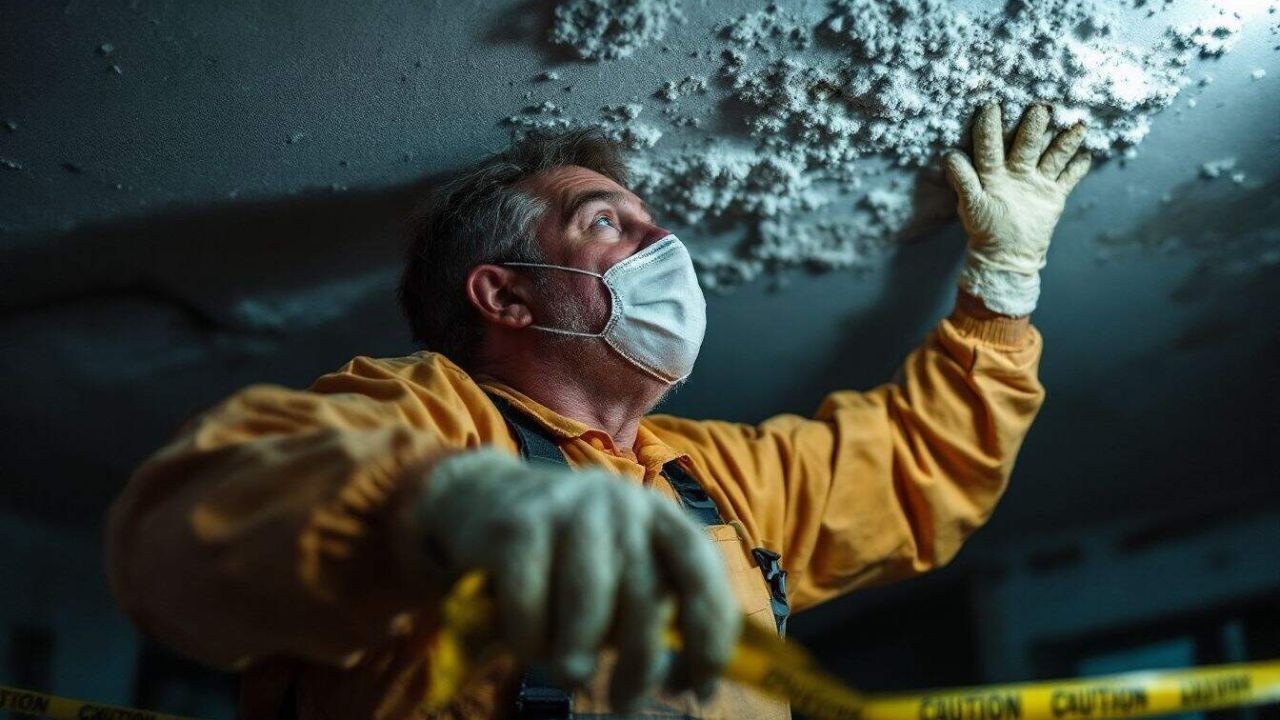
Safe asbestos removal is a multi-step process that requires careful planning and execution. The Ministry of Business, Innovation & Employment (MBIE) advises that homeowners engage licensed asbestos removalists to handle the task. This involves:
- Inspection and Assessment: A certified professional conducts an asbestos survey to determine the presence and condition of asbestos-containing materials (ACMs).
- Planning: Developing a detailed asbestos management plan that outlines the scope of work, safety measures, and disposal methods.
- Removal: Licensed removalists follow strict protocols to safely extract and contain asbestos materials.
- Disposal: Asbestos waste is transported to designated disposal facilities according to regulatory guidelines.
Case Study: Successful Asbestos Removal in Auckland
Case Study: Auckland Housing Development – Asbestos Challenge
Problem: In 2022, a residential development project in Auckland faced delays due to asbestos contamination in several buildings. The presence of asbestos threatened the project's timeline and budget, as regulations required stringent removal processes.
Action: The developers engaged a licensed asbestos removal company to conduct a thorough assessment. They implemented a comprehensive removal plan, including air monitoring and worker safety protocols.
Result: Within six months, the asbestos was safely removed, and the project resumed. The developers reported a 25% increase in property value post-removal, demonstrating the financial benefits of addressing asbestos issues proactively.
Takeaway: This case underscores the importance of early detection and professional management of asbestos risks. For investment bankers, such proactive measures can enhance property values and reduce long-term liabilities.
Pros and Cons of Asbestos Removal
Understanding the pros and cons of asbestos removal can help stakeholders make informed decisions.
✅ Pros:
- Health and Safety: Eliminating asbestos reduces health risks associated with exposure to toxic fibers.
- Property Value: Removal can increase property desirability and value, as seen in the Auckland case.
- Regulatory Compliance: Ensures adherence to New Zealand's stringent health and safety regulations.
- Community Impact: Contributes to safer living environments, enhancing community well-being.
❌ Cons:
- Cost: The removal process can be expensive, particularly for large properties with extensive contamination.
- Time-Consuming: Proper removal requires careful planning and execution, potentially delaying projects.
- Disruption: Removal activities may cause temporary disruption to living or business activities.
Debunking Common Myths about Asbestos Removal
There are several myths surrounding asbestos removal that can mislead homeowners and investors.
- Myth: "All asbestos needs to be removed immediately." Reality: Not all asbestos poses an immediate risk. Intact and undisturbed asbestos can be managed safely with regular monitoring.
- Myth: "DIY removal is a cost-effective option." Reality: DIY removal is illegal and dangerous. Professional removal is the only safe and legal option.
- Myth: "Asbestos removal is unaffordable." Reality: While it can be costly, the long-term benefits and potential increase in property value can outweigh initial expenses.
Future Trends in Asbestos Management
Looking ahead, the landscape of asbestos management in New Zealand is poised for change. As awareness and technology advance, we can expect innovations in detection and removal techniques. The adoption of AI-driven tools for asbestos detection and risk assessment is anticipated to enhance efficiency and accuracy, reducing costs and improving safety outcomes.
According to a report by Deloitte, the global asbestos abatement market is expected to grow by 5.6% annually, driven by increasing regulatory compliance and technological advancements. For New Zealand, this trend suggests a growing opportunity for businesses specializing in asbestos management to expand and innovate.
Conclusion
Asbestos removal is a critical aspect of property management in New Zealand, with significant implications for health, safety, and investment. By understanding the processes and engaging professional services, homeowners and investors can navigate the challenges posed by asbestos effectively. The key is to stay informed, proactive, and compliant with regulations, ensuring a safer and more profitable future.
What’s Next? For investment bankers and property developers, understanding the risks and opportunities associated with asbestos is crucial. Assess your current property portfolio, consult with experts, and consider the potential for asbestos management to enhance your investments.
People Also Ask (FAQ)
- How does asbestos removal impact property value in New Zealand? Proper asbestos removal can significantly increase property value by eliminating health risks and complying with regulations, making properties more attractive to buyers.
- What are the biggest misconceptions about asbestos removal? A common myth is that all asbestos must be removed immediately, but in reality, only damaged or deteriorating asbestos poses an immediate risk.
- What are the best strategies for implementing asbestos removal? Engaging licensed professionals, conducting thorough assessments, and developing detailed management plans are key strategies for effective asbestos removal.
Related Search Queries
- Asbestos removal cost in New Zealand
- Licensed asbestos removalists NZ
- Health risks of asbestos exposure
- Asbestos regulations NZ 2024
- DIY asbestos testing kits
- Asbestos abatement technology trends
- Property value impact of asbestos
- Safe disposal of asbestos waste
- AI in asbestos detection
- Future of asbestos management in NZ
For the full context and strategies on Kiwi Homeowners’ Guide to Asbestos Removal and Safety, see our main guide: Construction Safety Training Nz.