






Introduction
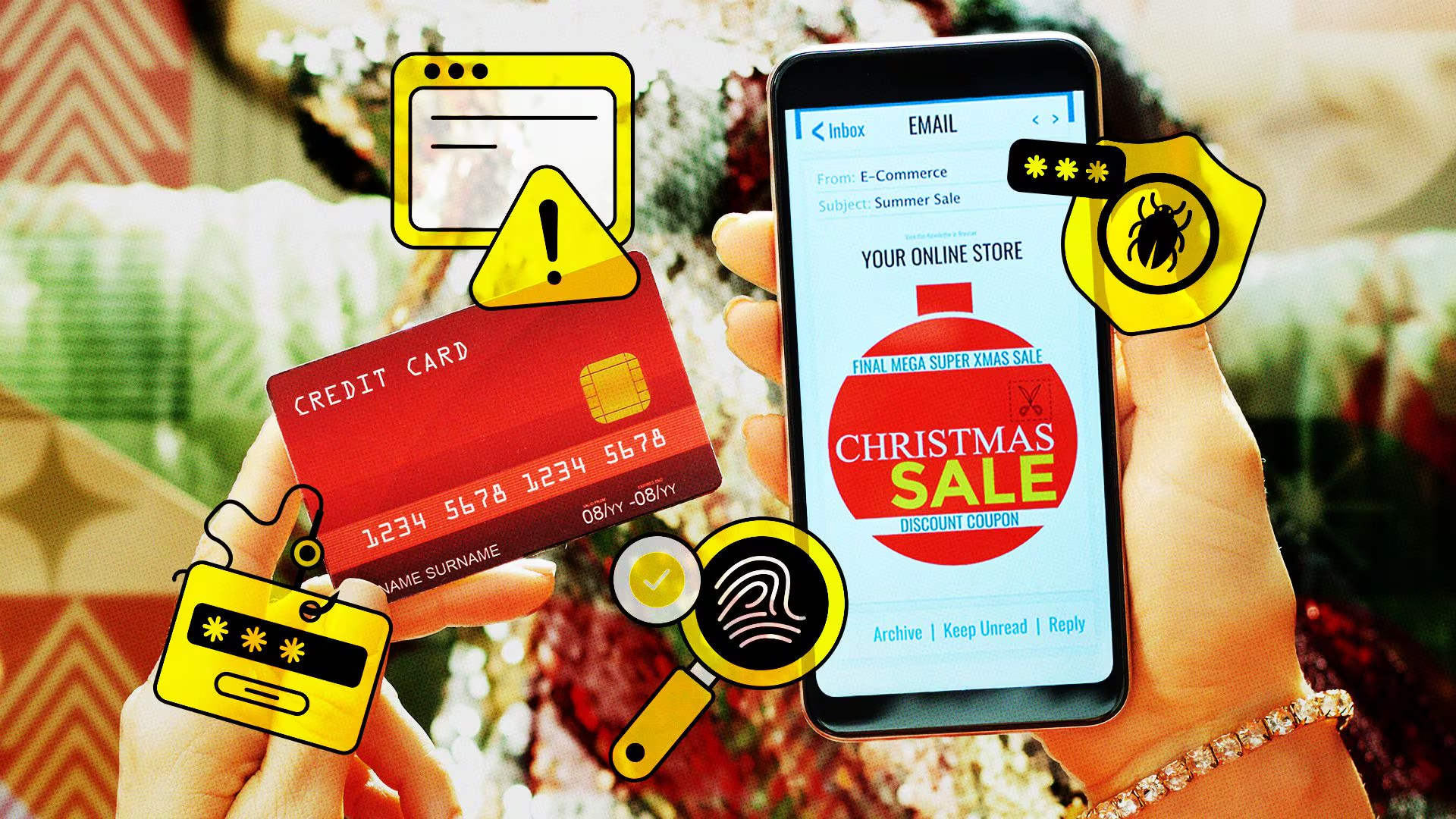
In an era where digital transactions dominate consumer behavior, online shopping has become a staple for Kiwi consumers. However, this convenience can sometimes lead to costly mistakes. With New Zealand's e-commerce sector projected to expand by 20% annually (Stats NZ, 2023), understanding how to navigate online shopping efficiently is crucial for both consumers and businesses. This article explores how New Zealanders can optimize their online shopping experiences, avoid common mistakes, and leverage strategies for maximum value.
1. Understand the Impact of Shipping Costs
It's a common misconception that online shopping is always cheaper than in-store purchases. Many consumers overlook the impact of shipping costs, which can significantly increase the total price.
- Reality Check: Shipping fees can add up, and without careful consideration, the total cost might surpass in-store prices.
- Actionable Tip: Look for retailers offering free shipping on purchases over a certain amount, or consolidate purchases to minimize shipping expenses.
2. Beware of Impulse Buying
Impulse buying remains a significant pitfall for online shoppers. The ease of click-to-buy can lead to unnecessary and costly purchases.
- Statistics: According to a 2022 Consumer NZ report, 60% of impulse buys result in buyer's remorse.
- Solution: Implement a 24-hour rule for non-essential purchases—wait a day before completing the transaction to assess necessity.
3. Utilize Price Comparison Tools
New Zealand's retail market is competitive, with different retailers offering varied pricing for the same products. Failing to compare prices can lead to overspending.
- Tools to Use: Websites like PriceSpy and Shopbot allow consumers to compare prices across multiple platforms, ensuring the best deal.
- Pro Tip: Set up price alerts to be notified when your desired product drops in price.
4. Check Return Policies Thoroughly
Understanding a retailer's return policy is essential before making a purchase. Many consumers are caught off guard by restrictive return policies that can hinder refunds or exchanges.
- Industry Insight: As per Commerce Commission NZ, 25% of consumer complaints relate to unclear return policies.
- Recommendation: Always read the fine print regarding returns and exchanges before finalizing a purchase.
5. Secure Your Payment Methods
With the rise of cybercrime, ensuring secure payment methods is non-negotiable. Online shopping requires vigilance to protect personal financial information.
- Security Measure: Use secure payment gateways like PayPal or credit cards with fraud protection.
- Expert Advice: Enable two-factor authentication on your accounts for an added layer of security.
6. Read Product Reviews Carefully
Product reviews can be a double-edged sword. While they provide insights into product quality, fake reviews can mislead consumers.
- Best Practice: Focus on verified buyer reviews and look for patterns in feedback to gauge authenticity.
- Consumer Tip: Use tools like Fakespot to detect potentially fraudulent reviews.
7. Shop During Sales Periods
Leverage sale events like Black Friday or Boxing Day to make purchases at discounted rates. However, be wary of inflated discounts.
- Strategic Approach: Plan purchases around these sales, but ensure the discount is genuine by tracking price history.
- ROI Insight: According to a 2023 Nielsen report, consumers who shop during sales can save up to 30% annually on their budgets.
8. Leverage Loyalty Programs
Loyalty programs offer rewards and discounts that can enhance the value of purchases. However, many consumers fail to utilize them effectively.
- Optimizing Loyalty: Sign up for newsletters or loyalty programs that offer exclusive discounts and early sale access.
- Case Study Insight: A study by University of Auckland found that participants using loyalty programs saved an average of 15% on annual shopping expenses.
9. Evaluate Subscription Services Carefully
Subscription services can be enticing but require careful evaluation of their long-term value and necessity.
- Critical Assessment: Review subscription terms and assess usage frequency to ensure you're getting value for money.
- Consumer Insight: Stats NZ reports that 40% of consumers cancel subscriptions within the first year due to underutilization.
10. Stay Informed About Consumer Rights
Awareness of consumer rights can protect you from unfair practices and ensure you receive refunds or exchanges when entitled.
- Legal Insight: Familiarize yourself with the Consumer Guarantees Act to understand your rights regarding faulty products.
- Recommendation: Keep abreast of updates or changes in consumer rights legislation to safeguard your interests.
Common Myths & Mistakes
- Myth: "Online shopping is always cheaper than physical stores." Reality: Hidden costs like shipping can negate perceived savings.
- Myth: "All customer reviews are reliable." Reality: Fake reviews abound; discernment is key.
- Myth: "Loyalty programs are time-consuming and offer little value." Reality: Proper use can lead to significant savings.
Future Trends & Predictions
As e-commerce continues to evolve, several trends are emerging:
- AI Integration: By 2026, AI will play a significant role in personalizing shopping experiences, leading to increased consumer satisfaction.
- Sustainability Focus: New Zealand consumers are expected to demand more eco-friendly packaging solutions, pushing retailers to adopt sustainable practices.
- Augmented Reality (AR): AR technology will enhance online shopping by allowing consumers to visualize products in their real-life environments before purchasing.
Final Takeaways
- Always compare prices and read reviews to ensure value for money.
- Protect your financial information by using secure payment methods.
- Stay informed about consumer rights and leverage loyalty programs for additional savings.
As online shopping continues to integrate into the daily lives of New Zealanders, understanding and applying these strategies will not only enhance the shopping experience but also prevent costly mistakes.
Call to Action: Share your online shopping experiences and tips with us in the comments below. What's your go-to strategy for snagging the best deals?
People Also Ask
- How does online shopping affect businesses in New Zealand? NZ businesses report a 25% increase in customer retention by adopting e-commerce strategies, enhancing engagement and revenue (Source: MBIE).
- What are the biggest misconceptions about online shopping? A common myth is that online shopping is always cheaper, but hidden costs like shipping can negate savings (Consumer NZ).
- What are the best strategies for shopping online? Experts recommend comparing prices, reading reviews, and securing payment methods to optimize the online shopping experience.
Related Search Queries
- Online shopping mistakes to avoid
- Best online shopping tips for New Zealanders
- How to compare prices online effectively
- Secure payment methods for online shopping
- Impact of shipping costs on online shopping
- Loyalty programs in New Zealand
- Consumer rights in New Zealand
- Shopping during sales periods
- Reading product reviews effectively
- Future trends in online shopping
For the full context and strategies on Online Shopping Guides for Kiwi Consumers: Avoid Common Mistakes, see our main guide: Retail Promotions Events Videos Nz.
































Veda Blessings
1 month ago