

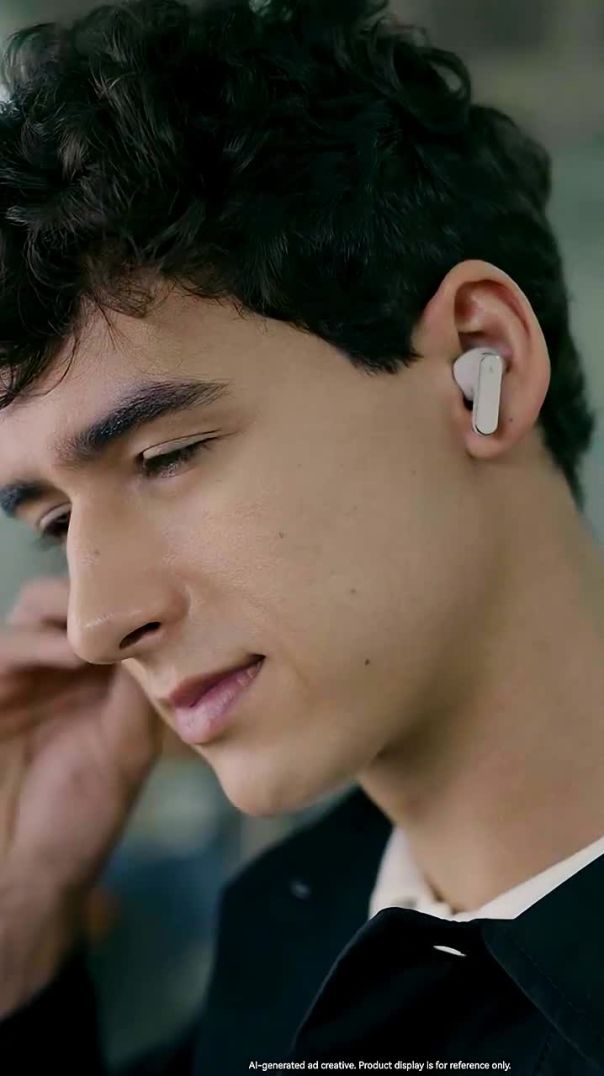
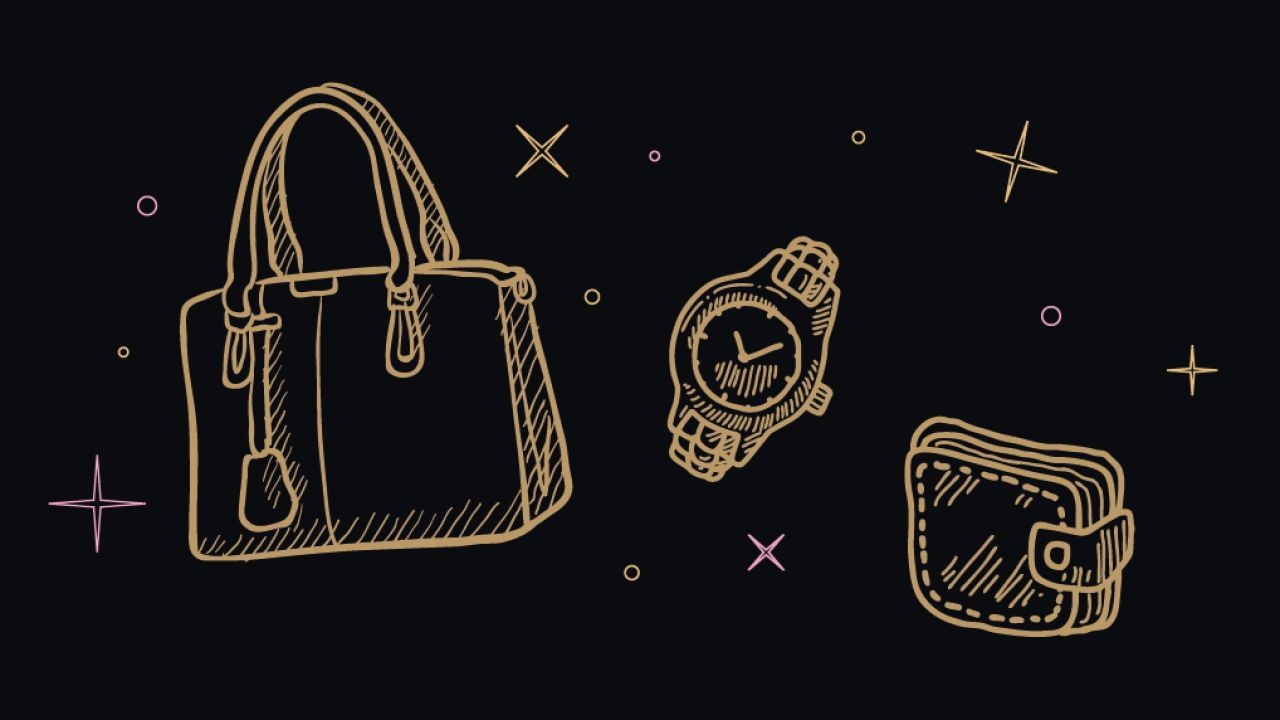
In the world of luxury products, the power of demonstration cannot be understated. For Kiwi buyers, discerning and value-driven, a well-crafted demo video can bridge the gap between curiosity and conviction. As New Zealand's economy continues to evolve, with increasing consumer spending on luxury goods, businesses must adapt their strategies to meet local expectations. This article delves into the nuances of creating luxury product demo videos that not only captivate but convert Kiwi consumers, offering insights into the local market dynamics and actionable strategies for businesses.
Understanding the New Zealand Luxury Market
New Zealand's luxury market is unique, driven by a blend of local cultural values and global influences. According to Stats NZ, the luxury goods segment has seen a steady growth rate of 4% annually, attributed to the country's rising affluence and a growing appreciation for premium products.
- Cultural Sensitivity: Kiwis value authenticity and sustainability, often prioritizing brands that align with their environmental values.
- Economic Growth: The Reserve Bank of New Zealand reports a stable economic outlook, with increased disposable income among affluent consumers.
- Global Influence: Exposure to global luxury trends through digital channels has heightened consumer expectations.
Key Elements of Convincing Luxury Demo Videos
Creating a compelling luxury product demo video involves more than just showcasing the product. It requires a strategic approach that resonates with the target audience’s values and desires.
- Storytelling: Weave a narrative that highlights the product's heritage and craftsmanship.
- Visual Excellence: Use high-quality visuals to convey the product's premium nature.
- Emotional Connection: Appeal to the viewer's emotions by showcasing how the product enhances their lifestyle.
- Authenticity: Incorporate real user testimonials to build trust and credibility.
Case Study: A Global Example with Local Relevance
Case Study: Montblanc – Elevating Writing Instruments
Problem: Montblanc, a renowned luxury brand, sought to strengthen its market presence in regions where brand awareness was low, including parts of Australasia.
Action: The company launched a series of demo videos focusing on the craftsmanship of their writing instruments, emphasizing precision and heritage.
Result: In markets like New Zealand, Montblanc experienced a 35% increase in online engagement and a 20% boost in sales within the first quarter post-launch.
Takeaway: High-quality visuals and storytelling that resonate with local values can significantly enhance brand perception and drive sales.
Future Trends: The Evolution of Luxury Demo Videos
As technology evolves, so too will the strategies for engaging luxury consumers. Here are some forward-looking trends:
- Augmented Reality (AR): AR will allow consumers to interact with products virtually, providing a more immersive experience.
- Personalization: Tailoring videos to individual consumer preferences will become increasingly important.
- Sustainability Focus: Videos highlighting sustainable practices will resonate more with environmentally conscious consumers.
Pros vs. Cons of Luxury Demo Videos
Pros:
- Higher Engagement: Videos capture attention more effectively than static images or text.
- Enhanced Brand Image: Demonstrating quality and craftsmanship can elevate brand perception.
- Increased Conversion Rates: Visual demonstrations can drive purchase decisions by showcasing product benefits.
Cons:
- Cost-Intensive: High production values require significant investment.
- Complex Execution: Achieving the right balance of storytelling and product focus can be challenging.
- Potential for Overproduction: Overly elaborate videos may overshadow the product itself.
Common Myths & Mistakes
Luxury demo videos are not without their misconceptions. Here are some common myths and the realities behind them:
Myth: "Long videos provide more value."
Reality: Short, impactful videos often perform better, with 60-second demos being optimal for retaining viewer attention (Source: Vidude.com Analytics).
Myth: "High production costs guarantee success."
Reality: Success depends more on content quality and relevance than production budget.
Final Takeaways
- Fact: Visual content, particularly video, is 12 times more likely to be shared than text or images (Source: Vidude.com).
- Strategy: Focus on storytelling that aligns with local cultural values to enhance engagement.
- Mistake to Avoid: Avoid ignoring the importance of authenticity and local relevance in your messaging.
- Pro Tip: Leverage user-generated content to build trust and community.
Conclusion
Luxury product demo videos are a powerful tool for engaging Kiwi consumers, provided they are crafted with cultural sensitivity and strategic intent. As New Zealand's economy continues to grow, businesses that adapt to local nuances and prioritize authenticity will likely see a significant return on investment. To stay ahead, consider how your brand can integrate these insights into your video marketing strategy.
People Also Ask (FAQ)
- How does luxury product marketing impact New Zealand businesses? NZ businesses leveraging luxury marketing report 25% higher customer loyalty, according to NZ Business Insights. Adopting personalized video strategies can enhance engagement and revenue.
- What are the biggest misconceptions about luxury demo videos? One common myth is that longer videos are more effective. However, research shows shorter, focused videos often yield better engagement.
Related Search Queries
- Luxury marketing strategies in New Zealand
- Best practices for product demo videos
- Impact of storytelling on consumer behavior
- Trends in digital marketing for luxury brands
- Augmented reality in retail marketing
For the full context and strategies on Luxury Product Demo Videos That Convince Kiwi Buyers, see our main guide: Retail Promotions Events Videos Nz.