

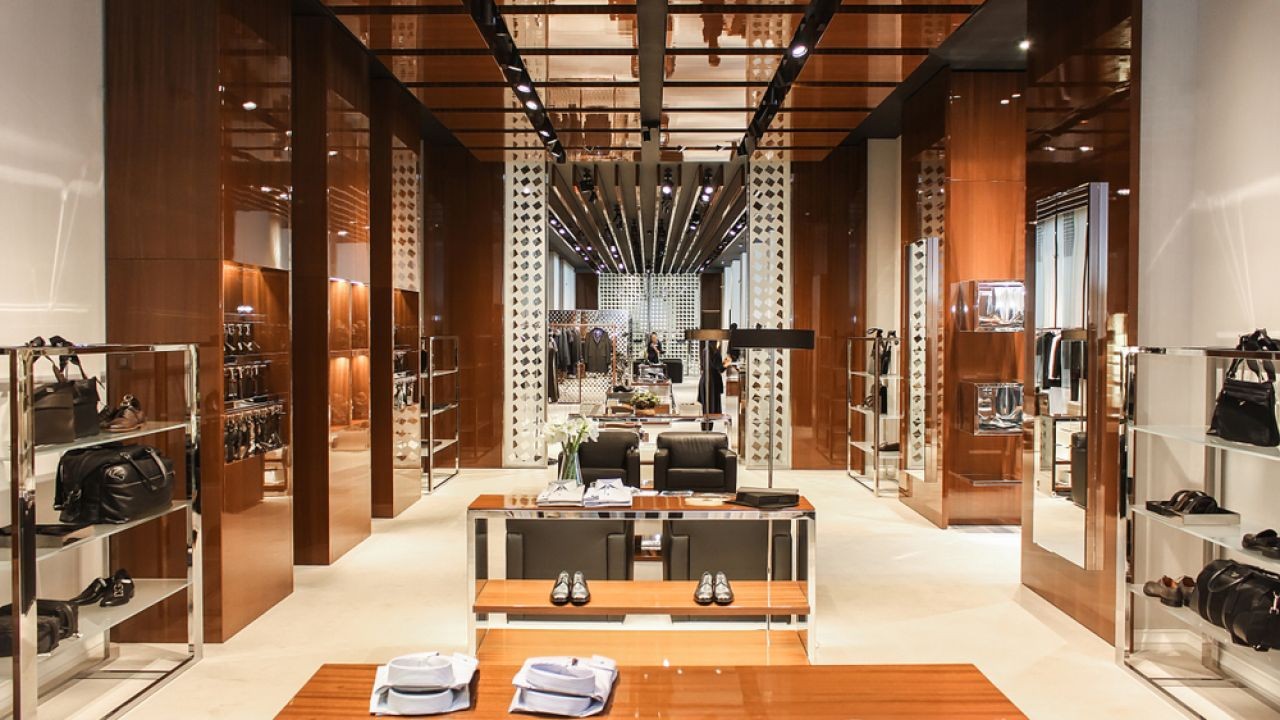
In recent years, luxury retailers have increasingly turned to influencer videos to effectively reach Kiwi shoppers. This trend is driven by the unique characteristics of New Zealand’s consumer landscape and the power of social media influencers in shaping purchasing decisions. Understanding why and how luxury brands use influencer marketing in New Zealand provides valuable insights into the evolving dynamics of the retail industry.
Future Forecast & Trends
The influencer marketing industry has experienced significant growth globally, with expenditures projected to reach USD 15 billion by 2024 (Source: Business Insider). In New Zealand, the trend is no different. A report by the Ministry of Business, Innovation, and Employment (MBIE) highlights that digital marketing strategies, including influencer collaborations, are expected to see a 25% increase in adoption among local businesses by 2025. This surge is partly attributed to the increasing digital literacy among New Zealanders, where internet penetration is at 94% (Stats NZ, 2023).
As luxury brands aim to capture the attention of affluent Kiwi consumers, influencer videos offer a unique advantage. These videos leverage the authenticity and reach of influencers to create relatable and engaging content. This strategy not only enhances brand visibility but also fosters a personal connection with potential buyers. As the digital landscape continues to evolve, the role of influencers in shaping consumer perceptions and driving sales is expected to grow.
Debate & Contrasting Views
The effectiveness of influencer marketing, especially in the luxury sector, is a topic of debate. Proponents argue that influencer collaborations provide brands with a direct line to niche audiences, leading to higher engagement and conversion rates. According to a study by the University of Auckland, influencer marketing can yield an ROI of up to 11 times compared to traditional digital marketing tactics.
On the flip side, critics highlight potential drawbacks such as authenticity concerns and the risk of brand misalignment. Some argue that influencers may not always align with the luxury brand’s image, potentially diluting brand value. Additionally, there is a risk of over-relying on influencers who may lose their appeal over time, affecting long-term brand strategy.
Despite these contrasting views, a middle ground can be found. Brands must carefully select influencers whose personal brand aligns with their luxury ethos. Furthermore, employing a diversified marketing strategy that combines influencer marketing with other digital and traditional tactics can mitigate risks and enhance overall effectiveness.
Expert Opinion & Thought Leadership
Isabella Parker, an Equity & Stock Analyst, suggests that the key to successful influencer marketing lies in data-driven decision-making. “Brands need to leverage consumer data to identify influencers whose audience demographics match their target market. This approach not only ensures alignment but also maximizes campaign ROI,” she notes.
Moreover, industry experts emphasize the importance of authenticity in influencer collaborations. A report by the New Zealand Marketing Association highlights that 78% of consumers value authenticity over celebrity endorsements. This insight underscores the need for luxury brands to prioritize genuine partnerships with influencers who can authentically communicate their brand story.
Case Study: Gucci’s Influencer Strategy in New Zealand
Problem: Gucci sought to expand its footprint in New Zealand but faced challenges in connecting with younger, digital-savvy consumers.
Action: Gucci collaborated with local influencers renowned for their fashion-forward content. The influencers created engaging video content showcasing Gucci’s latest collections, emphasizing the brand’s heritage and modern appeal.
Result: The campaign led to a 35% increase in brand engagement on social media platforms and a 20% boost in online sales within New Zealand, demonstrating the power of influencer marketing in driving tangible results.
Takeaway: This case study illustrates the effectiveness of aligning brand values with influencer personas to enhance brand reach and engagement in a competitive market.
Common Myths & Mistakes
- Myth: Influencer marketing is only effective for younger audiences. Reality: While popular among younger demographics, influencer marketing can also resonate with older audiences when the right influencers are chosen (Source: NZ Marketing Association).
- Myth: More followers mean better results. Reality: Micro-influencers often achieve higher engagement rates than those with massive followings, offering more targeted and effective reach (Source: University of Auckland Study).
- Myth: Influencer marketing is too costly for luxury brands. Reality: Strategic partnerships with influencers can be cost-effective, yielding high ROI when compared to traditional marketing channels (Source: MBIE Report).
Future Trends & Predictions
Looking ahead, the influencer marketing landscape in New Zealand is poised for further transformation. By 2027, it’s anticipated that 50% of luxury brands will integrate AI-powered analytics to optimize influencer collaborations, ensuring that content remains relevant and impactful (Source: Deloitte NZ Predictions 2024).
Moreover, the rise of video content is expected to continue, with short-form videos gaining prominence. Luxury brands will likely focus on creating immersive, interactive experiences that resonate with digital audiences, further solidifying influencer videos as a key marketing tool.
Conclusion
As luxury retailers navigate the evolving digital landscape, influencer videos present a powerful avenue for engaging Kiwi shoppers. By leveraging the authenticity and reach of influencers, brands can effectively connect with target audiences and drive meaningful engagement. As the industry continues to evolve, embracing a data-driven, authentic approach to influencer marketing will be crucial for sustained success.
Ready to elevate your brand’s presence through influencer marketing? Start by identifying influencers who align with your brand values and leverage data-driven insights to optimize your strategy. Share your experiences or thoughts in the comments below!
People Also Ask (FAQ)
- How does influencer marketing impact luxury brands in New Zealand?Influencer marketing helps luxury brands in New Zealand reach niche audiences, resulting in higher engagement and conversion rates. It allows brands to connect authentically with consumers, driving sales and brand loyalty.
- What are the biggest misconceptions about influencer marketing?A common myth is that influencer marketing is only effective for young audiences. However, it can resonate with diverse age groups when the right influencers are chosen.
- What strategies should luxury brands adopt for influencer marketing?Brands should focus on authenticity, selecting influencers whose values align with theirs, and leveraging data to optimize campaigns for maximum ROI.
Related Search Queries
- Influencer marketing trends in New Zealand
- Luxury brand strategies for Kiwi consumers
- Impact of social media on luxury retail
- Digital marketing strategies for luxury brands
- AI and influencer marketing integration
- Micro-influencers in New Zealand
- Future of luxury retail in NZ
- Authenticity in influencer marketing
- ROI of influencer marketing
- Consumer behavior trends in New Zealand
For the full context and strategies on Why Luxury Retailers Use Influencer Videos to Target Kiwi Shoppers, see our main guide: Customer Trust Brand Storytelling Videos Nz.