




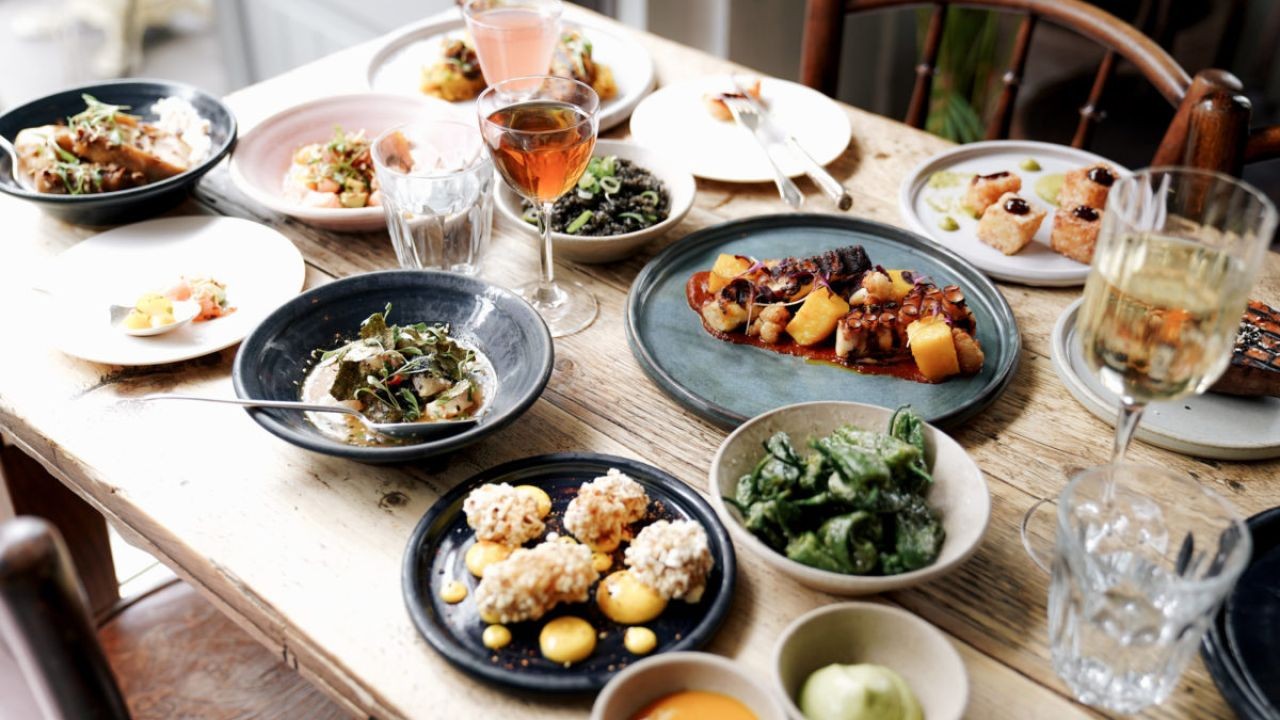
The culinary scene in New Zealand is a vibrant tapestry of flavors, reflecting its multicultural society. Among the various influences that have shaped Kiwi cuisine, Pacific Islander culinary traditions stand out for their rich flavors and unique ingredients. This article delves into how Pacific Islander cuisine has influenced New Zealand’s food culture, impacting local industries, and potentially the real estate market.
The Pacific Influence: A Historical Perspective
New Zealand's geographic proximity to the Pacific Islands has facilitated a cultural exchange that spans centuries. The migration of Pacific Islanders to New Zealand has brought with it a culinary heritage that is both diverse and deeply rooted in the use of fresh, local ingredients. Traditional dishes such as taro, coconut-based curries, and seafood have become staples in many Kiwi households.
Economic Impact on Local Businesses
The influx of Pacific Islander cuisine has not only enriched New Zealand’s culinary landscape but has also had a significant economic impact. According to Stats NZ, the food and beverage industry contributes approximately 5% to New Zealand's GDP. The growing popularity of Pacific Islander cuisine has led to an increase in demand for specific ingredients like taro and coconut, which has benefitted local farmers and importers.
Moreover, restaurants and food trucks offering Pacific Islander dishes have proliferated across the country. This trend has provided opportunities for entrepreneurs and has boosted local economies, particularly in areas with a significant Pacific Islander population, such as Auckland and Wellington.
Case Study: The Rise of Pacific-Inspired Eateries
The success of Pacific-inspired eateries can be exemplified by the story of Kai Pasifika, a restaurant in Auckland that has gained recognition for its authentic Pacific Islander dishes. Founded by a group of passionate chefs, Kai Pasifika aimed to bring the flavors of the Pacific Islands to New Zealand’s mainstream dining scene.
Problem: Initially, the restaurant faced challenges in sourcing authentic ingredients due to limited supply chains.
Action: By partnering with local farmers and suppliers, Kai Pasifika was able to ensure a steady supply of fresh and authentic ingredients.
Result: Within a year, the restaurant saw a 35% increase in customer footfall and expanded its menu to include fusion dishes that catered to a broader audience.
Takeaway: This case study highlights the potential for Pacific-inspired eateries to thrive in New Zealand by focusing on authenticity and local partnerships.
Contrasting Perspectives: Cultural Appreciation or Appropriation?
The integration of Pacific Islander cuisine into New Zealand’s culinary scene has sparked debates about cultural appreciation versus appropriation. While many celebrate the diversity and richness that these flavors bring, others raise concerns about the commercialization and potential dilution of cultural traditions.
Advocate View: Proponents argue that this culinary exchange fosters cultural understanding and appreciation. It provides a platform for sharing and celebrating diverse traditions, enriching New Zealand's cultural tapestry.
Critic View: Critics caution against the commercialization of traditional dishes, which may lead to a loss of authenticity and cultural significance. They emphasize the importance of crediting and compensating Pacific Islander communities for their contributions.
Middle Ground: Encouraging collaborations between Pacific Islander chefs and local businesses can ensure that cultural traditions are preserved while allowing for creative expression and innovation.
Common Myths & Mistakes in Culinary Integration
- Myth: "Pacific Islander cuisine is just seafood." Reality: While seafood is essential, the cuisine also includes a variety of plant-based dishes and meats, reflecting the diverse agricultural practices of the Pacific Islands.
- Myth: "Introducing new cuisines will harm local food culture." Reality: The fusion of different culinary traditions can enhance cultural understanding and innovation, as seen in the growing popularity of Pacific Islander-inspired dishes in New Zealand.
Future Trends & Predictions
Looking ahead, the influence of Pacific Islander cuisine on New Zealand’s culinary scene is expected to grow. According to a report by the Ministry of Business, Innovation and Employment (MBIE), there is a rising demand for ethnic cuisine, with Pacific Islander food being one of the fastest-growing segments. By 2028, it is predicted that Pacific-inspired eateries will become a staple in every major city in New Zealand, further diversifying the country's culinary offerings.
Conclusion
New Zealand’s culinary landscape is enriched by the vibrant flavors of Pacific Islander cuisine, offering tantalizing experiences that go beyond the palate. The economic benefits, cultural exchanges, and potential for real estate development in areas with thriving culinary scenes highlight the multifaceted impact of this culinary integration. As New Zealand continues to embrace diversity, the influence of Pacific Islander cuisine will undoubtedly play a vital role in shaping the future of Kiwi food culture.
Takeaway & Call to Action: As a real estate expert or investor, consider the potential for growth in areas with a rich culinary scene. Embrace the diversity of New Zealand's food culture and explore opportunities for collaboration with Pacific Islander communities to foster sustainable growth. Share your insights and experiences in the comments below!
People Also Ask
- How does Pacific Islander cuisine impact New Zealand's economy? The growing popularity of Pacific Islander cuisine boosts local economies through increased demand for specific ingredients and the proliferation of Pacific-inspired eateries, contributing to GDP growth.
- What are the biggest misconceptions about Pacific Islander cuisine? A common myth is that it’s solely seafood-based. However, it includes diverse dishes with plant-based ingredients and meats, reflecting the agricultural richness of the Pacific Islands.
- Who benefits the most from the integration of Pacific Islander cuisine? Local businesses, entrepreneurs in the food industry, and Pacific Islander communities benefit through cultural exchange, economic opportunities, and culinary innovation.
Related Search Queries
- Pacific Islander cuisine recipes
- Impact of Pacific Islander culture in New Zealand
- New Zealand culinary scene trends
- Pacific Islander restaurants in Auckland
- Economic impact of ethnic cuisine in New Zealand
- Fusion cuisine in New Zealand
- Authentic Pacific Islander food
- Cultural exchange through food
- New Zealand food industry growth
- Pacific Islander communities in New Zealand