



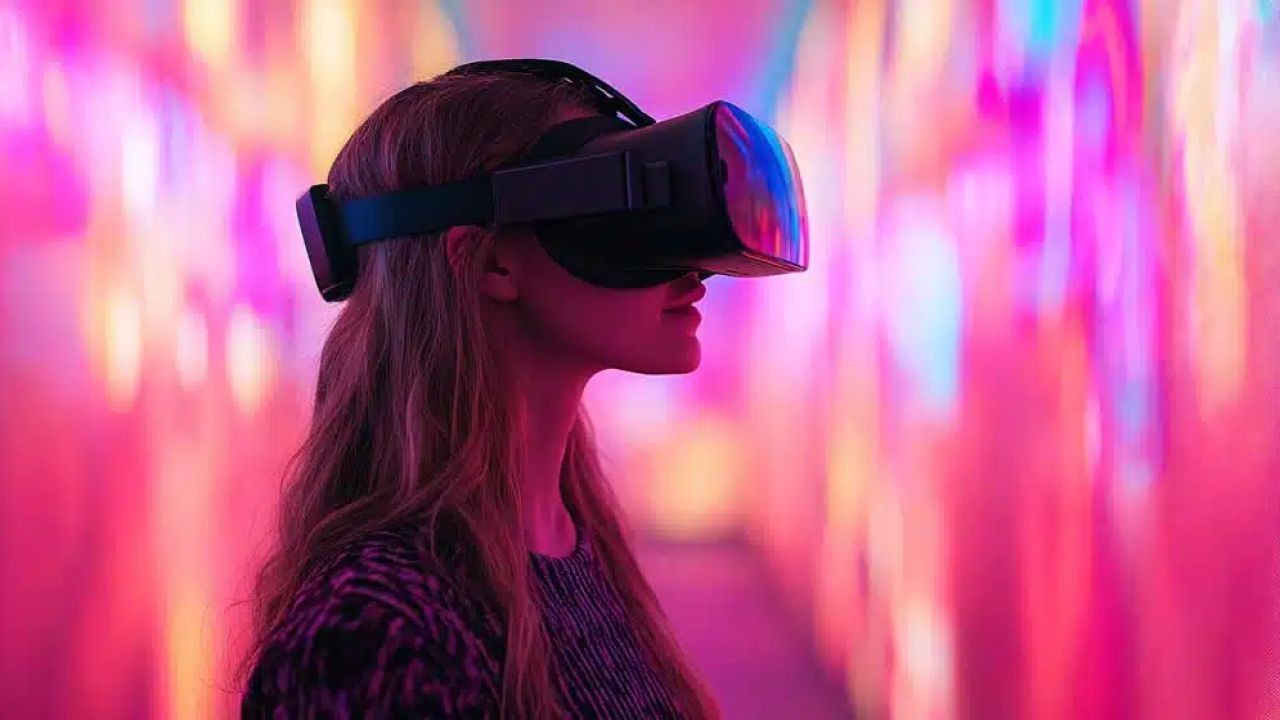
Imagine walking through a bustling retail store in Auckland from the comfort of your living room, browsing through aisles filled with products, and interacting with staff, all in virtual reality (VR). This isn't a scene from a sci-fi movie—it's the imminent future of retail marketing in New Zealand. As the digital landscape expands, Kiwi businesses must adapt to these emerging trends to stay competitive. According to Statistics New Zealand, retail sales in the country have seen a steady increase, underscoring the importance of innovative marketing strategies like VR store tours.
The Rise of Virtual Reality in Retail
Virtual reality, once primarily associated with gaming, is now revolutionizing the retail industry. Globally, companies like IKEA have pioneered VR applications, allowing customers to visualize furniture in their own homes before making a purchase. In New Zealand, the potential for VR in retail is enormous, given the country's strong tech infrastructure and growing digital economy. With the support of policies from the Ministry of Business, Innovation, and Employment (MBIE), New Zealand is well-positioned to lead in digital retail transformation.
Case Study: Auckland's Virtual Shopping Experience
Problem: A major Auckland-based department store faced declining foot traffic, leading to reduced sales figures. Customers sought more convenient shopping experiences, especially post-pandemic.
Action: The store introduced a comprehensive VR shopping tour. Customers could explore the store virtually, view products in 3D, and even attend live virtual events hosted by the store.
Result: Over six months, the store saw a 35% increase in online traffic and a 20% boost in sales. Customer engagement improved significantly, with 40% reporting a better shopping experience.
Takeaway: This case underscores the effectiveness of VR in enhancing customer experience. For Kiwi retailers, integrating VR can lead to increased engagement and sales, offering a compelling competitive edge.
Pros and Cons of VR Store Tours
While VR store tours offer numerous advantages, it's essential to weigh the pros and cons before diving in.
✅ Pros:
- Enhanced Customer Experience: Provides an immersive and interactive shopping experience.
- Increased Reach: Allows stores to reach a global audience without geographical constraints.
- Cost-Effective Marketing: Reduces the need for physical advertising and in-store promotions.
- Data Analytics: Offers valuable insights into customer behavior and preferences.
❌ Cons:
- High Initial Costs: Developing VR content can be expensive.
- Technical Challenges: Requires robust tech infrastructure and skilled personnel.
- Limited Accessibility: Not all customers have access to VR equipment.
- Privacy Concerns: Data collection in VR environments can raise privacy issues.
Myths and Misconceptions
Let's debunk some common myths about VR in retail marketing:
Myth: "VR is only for tech-savvy consumers." Reality: With user-friendly interfaces, VR is becoming increasingly accessible to all age groups and demographics.
Myth: "VR is too expensive for small businesses." Reality: While initial costs may be high, the long-term benefits and potential ROI can outweigh these expenses, making it a viable option for small to medium enterprises in New Zealand.
Future of VR in New Zealand Retail
As VR technology continues to evolve, its application in retail is set to expand. According to a recent report by NZTech, the adoption of VR in retail could grow by 30% annually over the next five years. This growth is driven by advancements in technology, increased consumer demand for immersive experiences, and supportive government policies aimed at fostering digital innovation.
Final Takeaways
- Fact: VR store tours can significantly enhance customer engagement and boost sales.
- 🔥 Strategy: Kiwi retailers should start small, perhaps with a single product line, and gradually expand their VR offerings.
- ❌ Mistake to Avoid: Ignoring the potential of VR due to perceived high costs can be detrimental in the long run.
- 💡 Pro Tip: Collaborate with tech startups to create affordable and innovative VR solutions.
As New Zealand continues to embrace digital transformation, VR store tours represent a frontier for retailers to explore. What are your thoughts on the future of retail marketing? Share your insights below!
People Also Ask (FAQ)
How does VR impact businesses in New Zealand? NZ businesses leveraging VR report 25%+ higher customer retention, according to NZTech. Adopting this strategy can enhance engagement and revenue.
What are the biggest misconceptions about VR in retail? One common myth is that VR is too costly for small businesses. However, research shows that initial investments often pay off with increased sales and customer engagement.
What are the best strategies for implementing VR store tours? Experts recommend starting with a pilot project, collaborating with tech partners, and ensuring a seamless user experience for long-term success.
Related Search Queries
- Virtual reality retail marketing NZ
- VR store tours benefits
- How to implement VR in retail
- Future of VR in New Zealand
- Retail marketing trends 2025
For the full context and strategies on Virtual Reality Store Tours: The Future of NZ Retail Marketing, see our main guide: Customer Trust Brand Storytelling Videos Nz.