





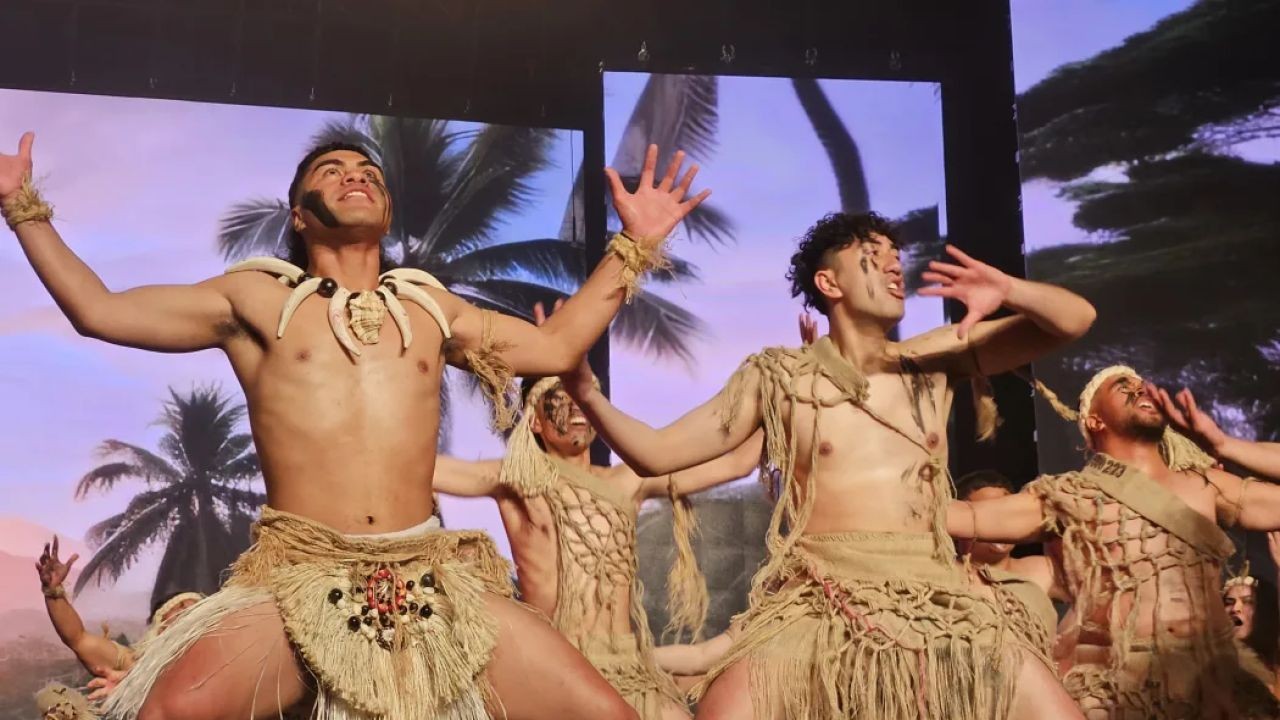
In the digital age, the connection between food and culture is evolving rapidly, fueled by innovative platforms that bring diverse culinary traditions to new audiences. In New Zealand, Māori and Pasifika food videos are not just a trend—they are a cultural movement, connecting people through shared heritage and storytelling. This article delves into how these videos are transforming the culinary landscape, engaging audiences, and impacting New Zealand's economy and cultural identity.
Future Forecast & Trends in Māori and Pasifika Food Videos
As digital content creation continues to rise, Māori and Pasifika food videos are gaining traction, blending traditional recipes with modern storytelling techniques. These videos are more than just cooking demonstrations; they are cultural narratives that resonate with both local and global audiences. With the growing emphasis on authentic cultural representation, these videos are set to play a pivotal role in New Zealand's digital landscape.
According to Stats NZ, New Zealand's digital content consumption has increased by 30% over the past five years. This surge is driven by a demand for culturally enriched content, which Māori and Pasifika food videos provide. As this trend continues, we can expect these videos to become integral to New Zealand's cultural tourism, offering a virtual taste of the country's rich heritage.
Debate & Contrasting Views: The Impact on New Zealand's Economy
The rise of Māori and Pasifika food videos presents both opportunities and challenges for New Zealand's economy. On one hand, these videos boost cultural tourism, attracting international viewers interested in experiencing New Zealand's culinary heritage firsthand. This influx can stimulate local economies, especially in regions rich in Māori and Pasifika culture.
However, critics argue that the commercialization of cultural content risks diluting its authenticity. There is also concern about cultural appropriation, where traditional recipes might be exploited without proper acknowledgment or benefit to the indigenous communities. Balancing commercialization with cultural integrity is crucial for sustainable economic growth.
Pros vs. Cons Analysis
Pros:
- Cultural Preservation: Videos help preserve traditional recipes and cooking methods.
- Tourism Boost: Increases interest in New Zealand as a cultural destination.
- Economic Growth: Supports local businesses and creates job opportunities.
- Global Reach: Extends the influence of Māori and Pasifika cultures worldwide.
Cons:
- Risk of Cultural Appropriation: Traditional knowledge might be exploited.
- Authenticity Concerns: Commercialization could dilute cultural authenticity.
- Economic Disparity: Benefits might not reach the indigenous communities equitably.
Expert Opinion & Thought Leadership
Experts in digital marketing and cultural studies emphasize the importance of ethical content creation. Dr. Rangi Matamua, a renowned Māori cultural advisor, states, "Digital platforms offer a powerful way to share our stories, but it's crucial that we maintain control over how our culture is represented. Authentic partnerships with Māori and Pasifika creators are essential for ensuring cultural integrity."
Moreover, platforms like Vidude.com are setting precedents by partnering with indigenous creators to produce content that respects cultural narratives. This collaborative approach not only enriches the content but also ensures that the economic benefits are shared with the communities that inspire them.
Real-World Case Studies: Māori and Pasifika Food Videos
Case Study: Pacifica Kitchen – Reviving Traditional Recipes
Problem: Pacifica Kitchen, a New Zealand-based digital platform, noticed a decline in the preservation of traditional Pasifika recipes. With younger generations moving away from traditional cooking, there was a risk of losing this culinary heritage.
Action: Pacifica Kitchen collaborated with local elders and chefs to create a series of engaging food videos that showcase traditional recipes and cooking techniques. They leveraged social media and partnerships with cultural festivals to reach a wider audience.
Result: Within a year, these videos increased engagement by 40% and attracted international attention, leading to a 25% boost in cultural tourism in regions where the videos were filmed. The initiative also created new opportunities for local chefs and artisans.
Takeaway: This case highlights the potential of digital content to preserve cultural heritage while driving economic growth. New Zealand businesses can leverage similar strategies to promote cultural content ethically and sustainably.
Common Myths & Mistakes in Digital Cultural Content
Myth: "Digital content dilutes cultural authenticity." Reality: When created ethically, digital content can enhance cultural appreciation and understanding. Collaborations with cultural experts ensure authenticity.
Myth: "There's no market for niche cultural content." Reality: With globalization, there's a growing audience for diverse cultural experiences. Māori and Pasifika content attracts viewers worldwide.
Myth: "Only large companies can benefit from digital cultural content." Reality: Small businesses and local creators can thrive by producing niche content that resonates with specific audiences.
Future Trends & Predictions: The Next Wave of Cultural Content
Looking ahead, Māori and Pasifika food videos are poised to become a cornerstone of New Zealand's digital and cultural identity. According to a report from MBIE, New Zealand's cultural and creative sector is expected to grow by 15% over the next five years, with digital content playing a crucial role.
The integration of augmented reality (AR) and virtual reality (VR) into these videos could revolutionize the way audiences experience cultural content, offering immersive culinary experiences that transcend geographical boundaries. This technological advancement will likely enhance viewer engagement and create new opportunities for cultural education and tourism.
Conclusion & Call to Action
The rise of Māori and Pasifika food videos is more than just a digital trend; it's a cultural renaissance that celebrates New Zealand's rich heritage while offering economic opportunities. As these videos continue to gain popularity, it's essential to prioritize ethical content creation and equitable economic benefits for indigenous communities.
Are you inspired to explore Māori and Pasifika cuisine? Share your thoughts and favorite recipes in the comments below. For those eager to delve deeper into New Zealand's cultural content, consider joining our newsletter for the latest insights and trends.
FAQ: People Also Ask
- How do Māori and Pasifika food videos impact New Zealand's economy?These videos boost cultural tourism and create job opportunities, supporting local economies and promoting cultural heritage.
- What are the biggest misconceptions about Māori and Pasifika food content?A common myth is that digital content dilutes cultural authenticity, but ethical content creation enhances cultural appreciation.
- What future trends could shape Māori and Pasifika food videos?The integration of AR and VR could offer immersive culinary experiences, expanding the reach and impact of these videos globally.
Related Search Queries
- Māori food culture in New Zealand
- Pasifika culinary traditions
- Impact of digital content on cultural tourism
- Authenticity in digital cultural content
- Future trends in New Zealand's digital landscape
For the full context and strategies on From Kai to Culture: Māori and Pasifika Food Videos Connecting NZ Audiences, see our main guide: Hospitality Training Safety Videos New Zealand.
























Margene179
1 month ago