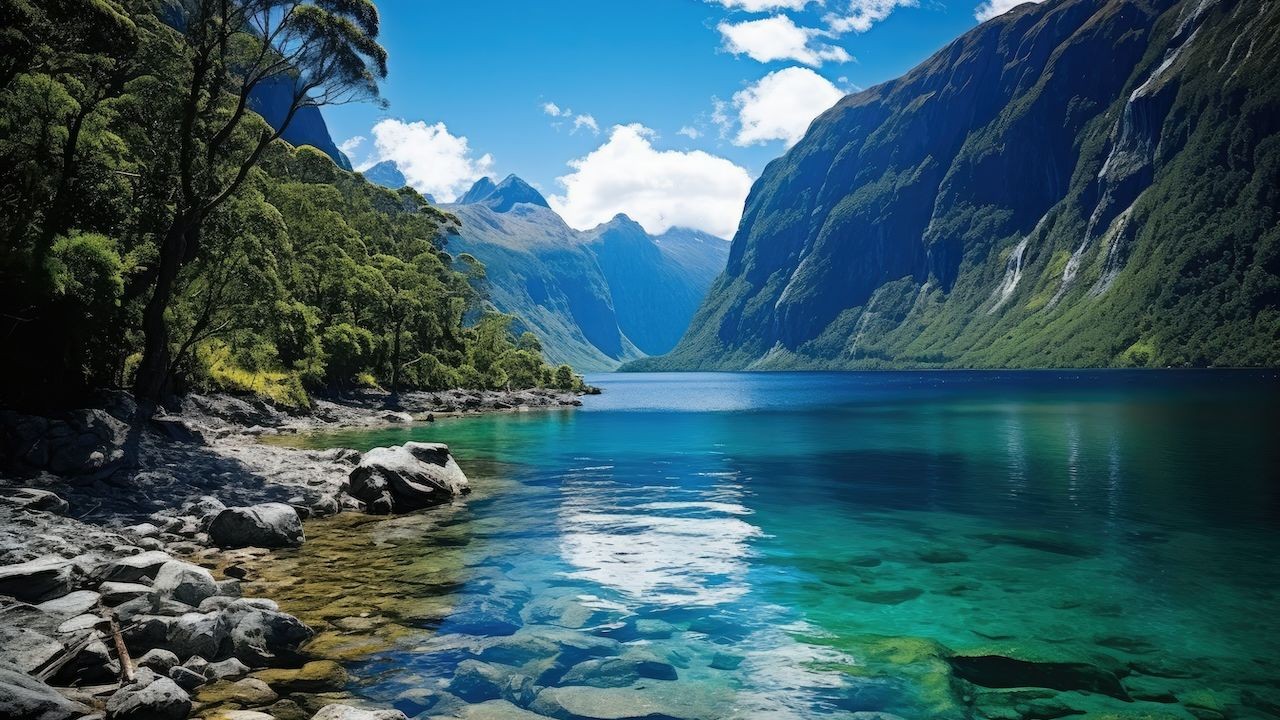





In recent years, New Zealand has emerged as a premier destination for yoga retreats and wellness experiences, captivating both locals and international visitors with its serene landscapes and holistic offerings. This surge in interest is not just a passing trend but reflects a deeper societal shift towards mindfulness and well-being. The rise in wellness tourism has significant implications for New Zealand's economy, contributing to job creation and regional development. According to the Ministry of Business, Innovation, and Employment (MBIE), wellness tourism is poised to grow by 8% annually until 2025, further solidifying its role in the nation's tourism strategy.
Comparative Analysis: Yoga Retreats in New Zealand vs. Global Offerings
New Zealand's yoga retreats differentiate themselves through their unique integration of Māori cultural elements, providing a distinct experience compared to global counterparts. While retreats in Thailand or Bali focus on tropical settings and spiritual practices, New Zealand offers a blend of natural beauty and indigenous heritage. This combination appeals to wellness tourists seeking authenticity and cultural depth.
- Location: New Zealand's retreats often take place in secluded natural environments, enhancing the meditative experience, unlike urban-centered retreats in other regions.
- Activities: In addition to yoga, many New Zealand retreats incorporate hiking and eco-therapy, aligning with global sustainability trends.
- Cultural Integration: Māori traditions are often interwoven into retreat activities, offering unique cultural insights not typically found in other countries.
Data from the Global Wellness Institute highlights that wellness tourism in New Zealand accounts for $1.5 billion, a substantial contribution to the tourism sector. This figure underscores the competitive edge New Zealand holds in the global wellness market.
How It Works: The Wellness Experience in New Zealand
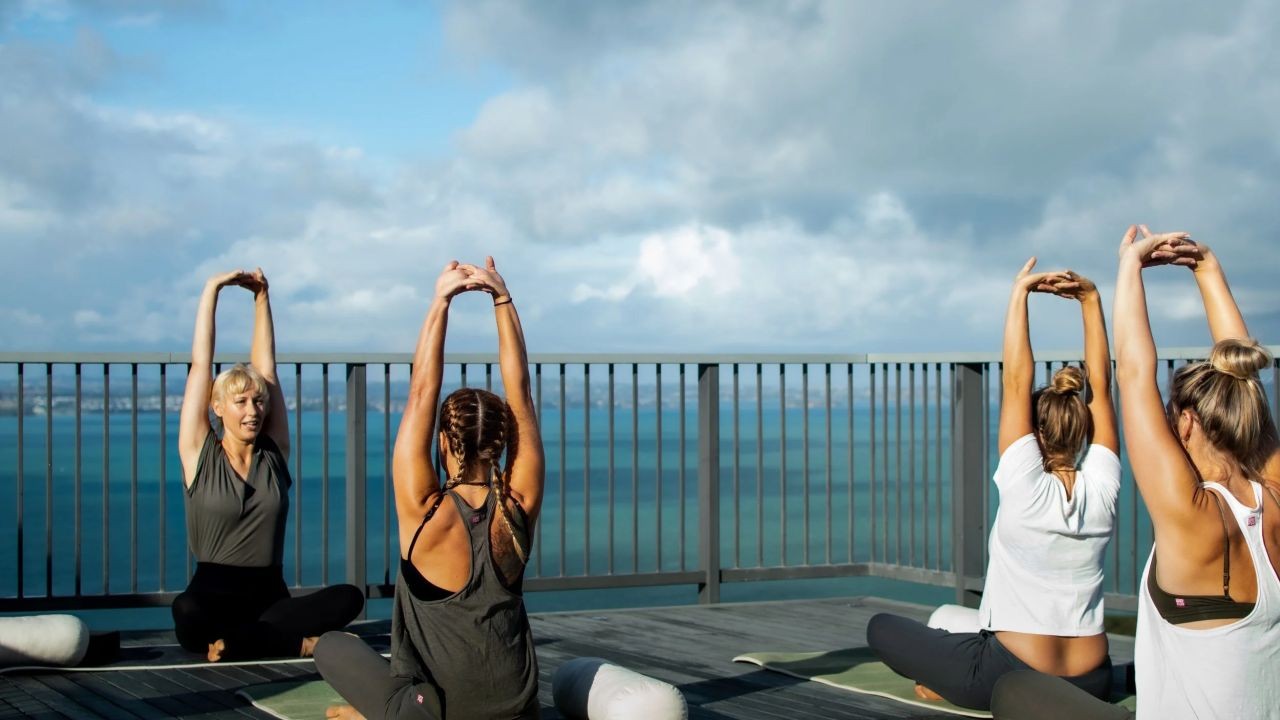
The wellness experience in New Zealand is structured to provide a holistic journey. Retreats often begin with an introduction to Māori customs, fostering a deeper connection with the land. Participants engage in daily yoga sessions, complemented by workshops on mindfulness and nutrition. The integration of local ingredients in meals and the emphasis on eco-friendly practices enhance the sustainability aspect of these retreats.
According to Statistics New Zealand, the tourism sector, including wellness tourism, supports over 225,000 jobs, highlighting its significance to the national economy. This employment impact extends to local communities, where retreats often source materials and services from nearby businesses.
Storytelling Approach: A Day in the Life of a Retreat Participant
Meet Sarah, a corporate executive from Auckland, who recently attended a yoga retreat in the Coromandel Peninsula. She began her day with a sunrise yoga session on the beach, followed by a guided meditation led by a Māori elder. This experience not only eased her stress but also enriched her understanding of indigenous culture. Throughout the retreat, Sarah noticed a profound improvement in her mental clarity and physical well-being, attributing these changes to the immersive environment and expert guidance.
Real-World Case Studies
Case Study: Aro Hā Wellness Retreat – Balancing Tradition and Innovation
Problem: Aro Hā faced the challenge of standing out in a competitive wellness market while maintaining authenticity.
- The retreat aimed to increase international bookings by 25% within a year by emphasizing unique offerings.
Action: The retreat introduced a program blending traditional yoga with eco-adventures and Māori cultural experiences.
- They leveraged digital marketing campaigns showcasing these unique experiences to a global audience.
Result:
- International bookings increased by 30% within six months.
- Guest satisfaction scores improved by 15%, as reported in post-retreat surveys.
Takeaway: This case study demonstrates the effectiveness of blending cultural authenticity with wellness practices to attract a diverse clientele. New Zealand businesses can adopt similar strategies by highlighting unique cultural elements in their offerings.
Data-Driven Analysis
Statistics from the Reserve Bank of New Zealand indicate that wellness tourism contributes to economic diversification, reducing reliance on traditional tourism sectors. The global wellness market's projected growth, expected to reach $919 billion by 2022, presents an opportunity for New Zealand to capture a larger market share by continuing to innovate its wellness offerings.
Pros vs. Cons Analysis
Pros:
- Economic Boost: Wellness tourism drives local economies, creating jobs and supporting businesses.
- Cultural Preservation: Integrating Māori traditions into retreats helps preserve and promote indigenous culture.
- Sustainability: Eco-friendly practices align with global sustainability goals.
Cons:
- Environmental Impact: Increased tourism can strain local ecosystems if not managed sustainably.
- Seasonal Dependency: Wellness tourism may face fluctuations due to seasonal travel patterns.
Common Myths & Mistakes
Myth: "Wellness tourism is only for the affluent." Reality: Many retreats offer affordable packages, making wellness experiences accessible to a broader audience.
Myth: "Yoga retreats are just about physical exercise." Reality: These retreats emphasize mental and spiritual well-being, offering comprehensive programs beyond physical yoga.
Myth: "All wellness retreats are similar." Reality: New Zealand retreats uniquely integrate local culture and nature into their offerings.
Future Trends & Predictions
Looking ahead, the wellness tourism sector in New Zealand is expected to embrace technological advancements, such as virtual reality and personalized wellness programs. By 2026, policy updates aimed at promoting eco-tourism could further enhance the appeal of wellness retreats, aligning with global sustainability efforts.
Conclusion
New Zealand's yoga retreats and wellness experiences offer a unique blend of cultural authenticity and holistic well-being. As the sector continues to grow, it presents opportunities for economic development and cultural preservation. Businesses and stakeholders should focus on sustainable practices and technological integration to stay ahead in this evolving market. What’s your next move in the wellness tourism landscape? Share your insights below!
People Also Ask (FAQ)
How does wellness tourism impact New Zealand's economy? Wellness tourism significantly boosts New Zealand's economy, contributing $1.5 billion annually and supporting over 225,000 jobs, according to MBIE.
What makes New Zealand's yoga retreats unique? New Zealand's yoga retreats stand out due to their integration of Māori culture and emphasis on sustainability, providing a unique experience for wellness tourists.
How can businesses capitalize on the wellness tourism trend? Businesses can capitalize by incorporating local cultural elements and sustainable practices into their offerings, appealing to the growing demand for authentic wellness experiences.
Related Search Queries
- Yoga retreats in New Zealand
- Wellness tourism growth in New Zealand
- Māori cultural experiences in tourism
- Eco-friendly travel destinations in NZ
- Sustainable tourism practices
- New Zealand wellness experiences
- Mindfulness retreats in NZ
- Holistic tourism trends
- Impact of wellness tourism on local economies
- Future of wellness travel in New Zealand
For the full context and strategies on Yoga Retreat and Wellness Experience Videos in New Zealand, see our main guide: Fitness Sports Wellness Videos Nz.