





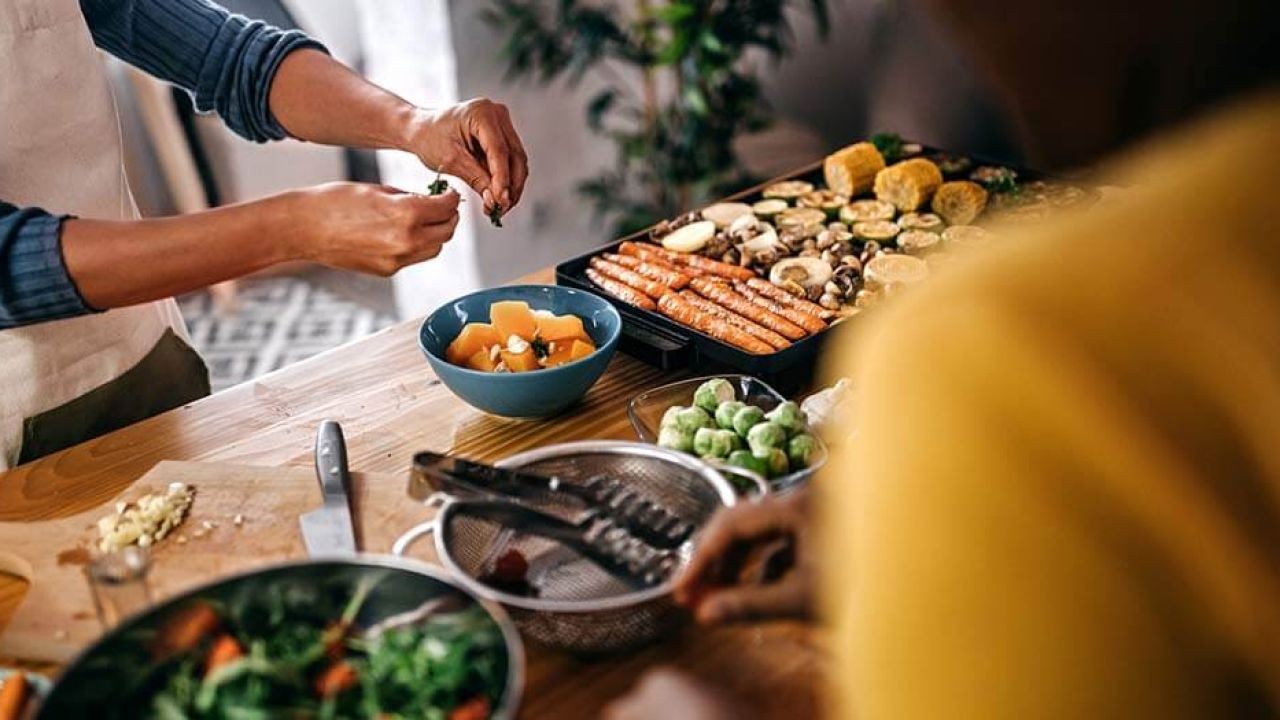
In recent years, New Zealand has witnessed a significant rise in the popularity of home cooking and nutrition video series. This trend aligns with the global movement towards healthier eating and sustainable living. With the advent of digital platforms, content creators have tapped into the culinary interests of Kiwis, offering educational and engaging content that promotes nutritional awareness. This article delves into the factors driving this trend, its impact on New Zealand's economy, and actionable insights for policymakers and industry stakeholders.
The Rise of Home Cooking and Nutrition Videos in New Zealand
Home cooking and nutrition video series have become a staple in New Zealand's digital content ecosystem. A recent report by Stats NZ highlights that 40% of New Zealanders engage with online cooking content at least once a week. This surge is partly fueled by the desire for healthier lifestyles and the convenience of accessing culinary guidance online. Furthermore, the COVID-19 pandemic accelerated this trend, with more individuals cooking at home due to lockdowns and health concerns.
Factors Driving the Popularity
- Health Consciousness: New Zealanders are increasingly prioritizing health, with a growing awareness of the impact of diet on well-being. Nutrition-focused video series offer valuable insights into balanced eating habits.
- Digital Accessibility: The widespread availability of high-speed internet and mobile devices has made it easier for content creators to distribute their videos, reaching a broader audience.
- Culinary Diversity: New Zealand's multicultural society has spurred interest in diverse cuisines, with video series showcasing recipes from various cultural backgrounds.
Despite these positives, it's crucial to consider the implications for local food industries and policymakers. An analysis by MBIE suggests that the rising interest in home cooking could impact restaurant sales, necessitating strategic shifts within the hospitality sector.
Case Study: The New Zealand Chef Collective
Problem: The New Zealand Chef Collective, a group of local chefs, faced declining engagement in their physical cooking classes due to pandemic restrictions.
Action: To adapt, they launched an online video series focused on home cooking techniques and nutritional education. They utilized platforms like YouTube and Instagram to reach their audience, incorporating interactive elements such as live Q&A sessions.
Result: Within six months, their online following grew by 150%, and engagement rates increased by 40%. The initiative not only sustained their community but also expanded their reach beyond physical boundaries.
Takeaway: This case study illustrates the potential of digital platforms to engage audiences and sustain businesses in challenging times. New Zealand's culinary industry can leverage online content to diversify revenue streams and enhance public engagement.
Pros and Cons of the Home Cooking Video Trend
While home cooking video series offer numerous benefits, they are not without challenges. Here's a balanced look at the pros and cons:
Pros:
- Educational Value: Provides accessible knowledge on nutrition and cooking techniques.
- Community Building: Fosters online communities around shared culinary interests.
- Cost-Effective Marketing: Offers a platform for local producers to showcase their products and reach new consumers.
Cons:
- Market Saturation: The abundance of content can make it challenging for new creators to stand out.
- Quality Control: Not all content is reliable, which can lead to misinformation about nutrition.
- Pressure on Restaurants: Increased home cooking may reduce dining out, impacting the hospitality industry.
Myths and Misconceptions
Several myths surround the concept of home cooking and nutrition video series:
- Myth: "Online recipes are always healthy." Reality: Many recipes prioritize taste over nutrition. It's essential to assess nutritional content critically.
- Myth: "All cooking videos are expert-led." Reality: Not all creators have formal culinary or nutritional training, so viewers should verify credentials.
Future Trends and Predictions
The future of home cooking and nutrition video series in New Zealand looks promising. According to a Deloitte report, the demand for online culinary content is expected to grow by 25% annually over the next five years. This trend presents opportunities for policymakers to support digital infrastructure improvements and for educational institutions to collaborate with content creators for accurate and informative content.
Conclusion
As the popularity of home cooking and nutrition video series continues to rise in New Zealand, it offers both opportunities and challenges. For policymakers and industry stakeholders, the focus should be on supporting digital content creators while ensuring the accuracy and reliability of nutritional information. By leveraging these trends, New Zealand can foster a healthier, more informed society.
What's your take on this digital culinary revolution? Share your thoughts below!
People Also Ask
- How does the popularity of cooking videos impact New Zealand's economy? Cooking videos stimulate local produce sales and support digital content industries, contributing to economic diversification.
- What are the biggest misconceptions about nutrition videos? A common myth is that all online recipes are healthy. However, content quality varies, and viewers should verify nutritional claims.
Related Search Queries
- Home cooking trends in New Zealand
- Nutrition video series benefits
- Impact of digital content on hospitality industry
- Online cooking classes NZ
- Popular New Zealand food YouTubers
For the full context and strategies on Home Cooking and Nutrition Video Series Popular in NZ, see our main guide: Medical Training Future Health Videos Nz.