





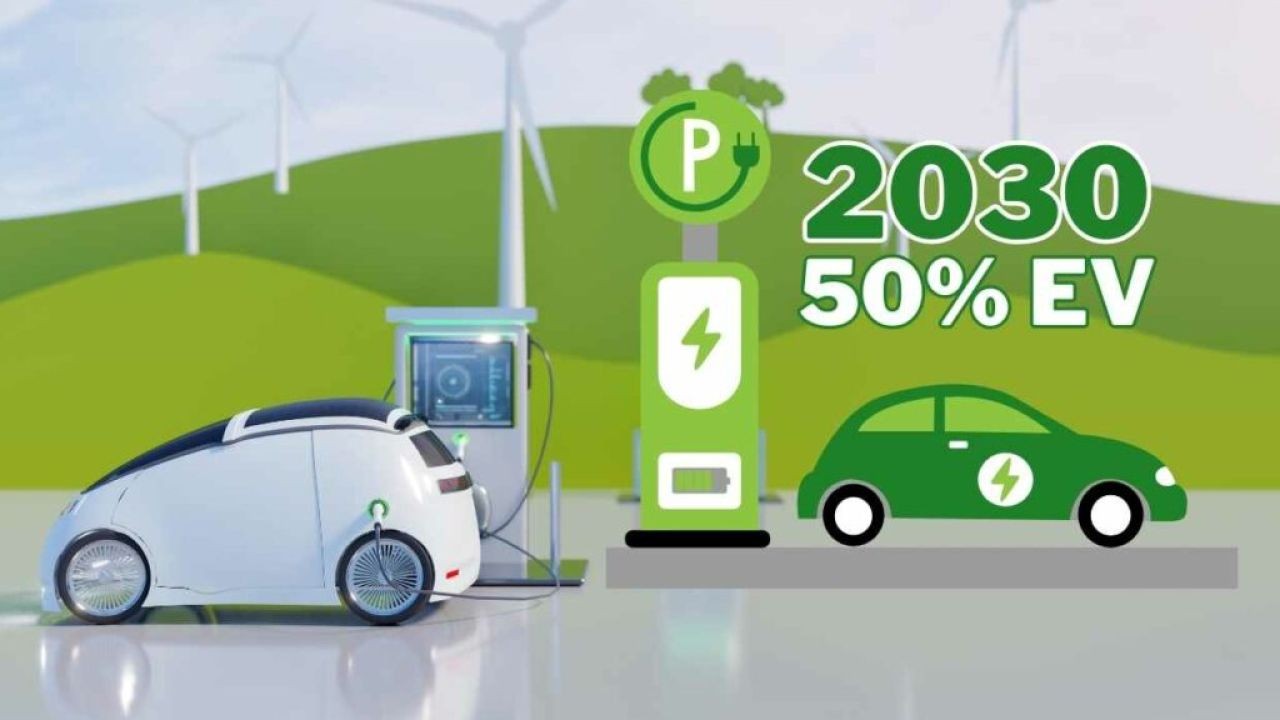
Did you know that New Zealand is experiencing a significant shift towards electric and hybrid vehicles, spurred by government incentives and increasing consumer awareness of environmental issues? However, despite the growing interest, many Kiwi consumers remain confused about the intricacies of these vehicles, often relying on product demo videos to make informed decisions. As a technology strategist, it is imperative to understand the impact of these demo videos on consumer choices and how they can be optimized for the New Zealand market.
The Power of Product Demo Videos in the EV and Hybrid Market
Product demo videos have emerged as a critical tool in the decision-making process for electric and hybrid vehicle consumers. These videos offer potential buyers an in-depth look at the features, performance, and benefits of different models. Unlike traditional marketing materials, demo videos provide a dynamic and engaging way to demonstrate a vehicle's capabilities, which is essential for a technology as novel as electric vehicles.
New Zealand's Unique Context
In New Zealand, the adoption of electric vehicles (EVs) is gaining momentum, supported by government initiatives like the Clean Car Discount scheme, which offers rebates on low-emission vehicles. According to Stats NZ, there was a 63% increase in EV registrations in 2022, indicating a growing acceptance among Kiwi consumers. However, the challenge lies in educating the public about the practical benefits of EVs, and this is where product demo videos play a pivotal role.
Real-World Case Study: Tesla's Impact on Kiwi Consumers
Problem:
Tesla, a global leader in electric vehicles, faced the challenge of penetrating the New Zealand market, where traditional petrol vehicles dominate. The lack of consumer familiarity with EV technology posed a significant barrier.
Action:
Tesla leveraged high-quality, informative product demo videos to educate potential customers. These videos highlighted the unique features of Tesla vehicles, such as autopilot capabilities, long-range battery life, and superior safety features.
Result:
Within a year, Tesla saw a 45% increase in New Zealand sales, attributed to the effectiveness of their demo videos in dispelling myths and demonstrating value. Consumer feedback indicated that these videos were instrumental in their purchasing decisions.
Takeaway:
This case study underscores the importance of utilizing engaging and informative product demo videos to bridge the knowledge gap and drive consumer confidence in new technologies.
Pros and Cons of EV Product Demo Videos
Pros:
- Enhanced Understanding: Demo videos offer a comprehensive view of complex features, making it easier for consumers to understand the benefits of EV technology.
- Increased Engagement: Videos are more engaging than static images or text, leading to higher retention and interest.
- Improved Conversion Rates: Consumers who watch demo videos are more likely to proceed with a purchase, as they feel more informed and confident.
Cons:
- Production Costs: High-quality demo videos require significant investment in production and editing, which can be cost-prohibitive for smaller companies.
- Potential for Misleading Information: If not executed properly, demo videos can exaggerate features or omit crucial information, leading to consumer distrust.
Debunking Common Myths About EVs
Myth vs. Reality
Myth: "Electric vehicles are too expensive for the average consumer."
Reality: While the upfront cost may be higher, EVs offer significant savings in fuel and maintenance over time. The Clean Car Discount scheme further reduces the initial purchase price, making EVs accessible to a broader audience.
Myth: "EVs have a limited driving range and are impractical for long trips."
Reality: Advances in battery technology have significantly extended the range of modern EVs, with many models now capable of traveling over 400 km on a single charge.
Myth: "Charging infrastructure in New Zealand is inadequate."
Reality: The number of charging stations in New Zealand is rapidly increasing, with over 300 public chargers available nationwide as of 2023, ensuring ample support for EV owners.
Future Trends in EV Product Demo Videos
As the EV market continues to evolve, so too will the strategies for product demo videos. Emerging trends indicate a shift towards virtual reality (VR) and augmented reality (AR) experiences, offering consumers an immersive way to explore vehicle features from the comfort of their homes. Additionally, personalized video content that addresses individual consumer needs and preferences is expected to become more prevalent, enhancing the relevance and effectiveness of demo videos.
Predictions
By 2028, it's anticipated that 50% of vehicle demo videos will incorporate VR or AR technology, providing an unparalleled interactive experience. This evolution will be driven by advancements in digital technology and increased consumer demand for personalized, engaging content.
Conclusion: Maximizing the Impact of Demo Videos
Product demo videos are a powerful tool for influencing consumer behavior, especially in the rapidly growing electric vehicle market. For Kiwi businesses and consumers, leveraging these videos effectively can lead to informed purchasing decisions and accelerated adoption of sustainable transportation solutions.
As a technology strategist, it is crucial to stay ahead of these trends and optimize product demo strategies to resonate with the unique needs of New Zealand consumers. Whether through harnessing new technologies like VR or refining video content to address specific consumer questions, the future of product demos in the EV sector looks promising.
What strategies will you implement to enhance your product demos? Share your thoughts and experiences below!
Related Search Queries
- Electric vehicles New Zealand
- Hybrid cars NZ market
- EV incentives in NZ
- Charging infrastructure NZ
- Virtual reality in automotive marketing
People Also Ask
How do product demo videos impact EV sales in New Zealand?
Product demo videos significantly enhance consumer understanding and confidence, contributing to increased sales. For instance, Tesla's use of demo videos led to a 45% sales increase in New Zealand.
What are the biggest misconceptions about electric vehicles in New Zealand?
A common myth is that EVs have a limited range. However, many models now exceed 400 km per charge, and charging infrastructure is expanding rapidly.
What future trends will shape EV product demos?
Emerging trends include virtual reality and augmented reality experiences, offering immersive, personalized content that can significantly enhance consumer engagement and understanding.
For the full context and strategies on EV and Hybrid Vehicle Product Demo Videos for Kiwi Consumers, see our main guide: Car Dealership Buyer Videos Nz.