





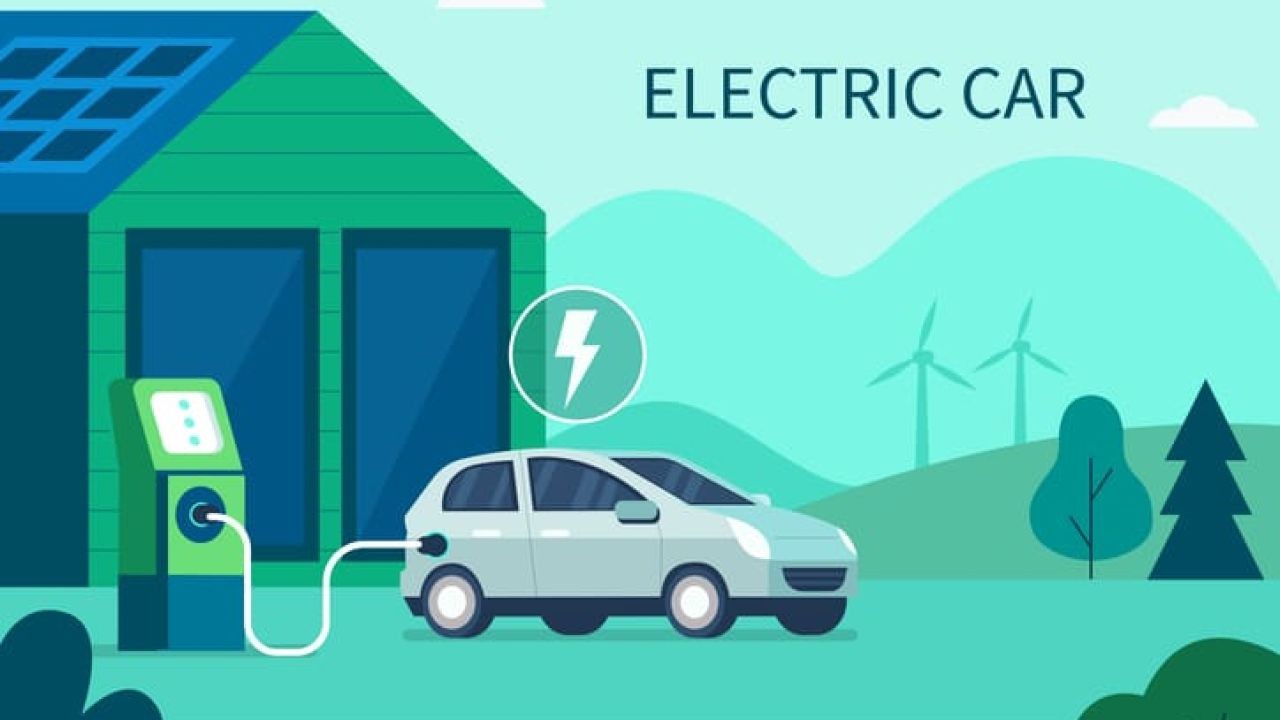
In the heart of the Southern Hemisphere, New Zealand stands as a beacon for sustainable innovation, particularly in the realm of electric vehicles (EVs). As nations worldwide grapple with the pressing need for environmental responsibility, New Zealand has embarked on a journey that not only champions greener transportation but also incentivizes its citizens to join the cause. This narrative unravels the intricacies of government incentives for EVs in New Zealand, delving into how video tutorials are playing a pivotal role in educating and empowering Kiwis to transition to electric mobility.
Future Forecast & Trends
New Zealand's commitment to a sustainable future is evident in its ambitious targets. According to the Ministry of Business, Innovation and Employment (MBIE), the country aims to have 30% of its vehicle fleet electric by 2030. This goal is underpinned by a series of government incentives designed to make EVs more accessible and appealing to the average consumer.
One of the most significant incentives is the Clean Car Discount, which offers rebates on the purchase of new and used electric vehicles. As of 2023, buyers of new EVs in New Zealand can receive rebates of up to NZD 8,625, a substantial saving that has spurred a 30% increase in EV registrations compared to the previous year, according to Stats NZ.
The trend towards electric mobility is also buoyed by a growing network of charging stations, aiming to alleviate range anxiety—a common concern among potential EV buyers. By 2025, the government plans to expand the EV charging infrastructure to ensure that 97% of the population is within a 75km distance of a fast charger, further facilitating the transition to electric vehicles.
Debate & Contrasting Views
Despite the positive trajectory, the shift towards EVs in New Zealand is not without its detractors. Critics argue that the initial cost of EVs remains prohibitive for many Kiwis, even with government rebates. This perspective is contrasted by advocates who highlight the long-term savings on fuel and maintenance, which can offset the higher upfront cost.
Moreover, some environmentalists express concerns about the sustainability of EV battery production and disposal. They argue that while EVs reduce tailpipe emissions, the environmental impact of mining for battery components and the lack of recycling facilities could counteract these benefits.
Conversely, proponents emphasize the ongoing advancements in battery technology, which are making EVs more sustainable. Companies like Tesla and Panasonic are investing heavily in research to develop more efficient and environmentally-friendly batteries, which could soon mitigate these concerns.
Expert Opinion & Thought Leadership
Dr. Melanie Cooper, a renowned Property Development Consultant in New Zealand, underscores the economic and environmental benefits of adopting EVs. "The transition to electric vehicles is not just an environmental imperative but an economic opportunity. New Zealand's vast renewable energy resources position us uniquely to lead the charge in sustainable transportation," she notes.
Cooper also highlights the role of video tutorials in demystifying EV technology for the general public. "Many New Zealanders are visual learners. Video content offers an engaging and accessible way to educate potential EV buyers on everything from charging infrastructure to vehicle maintenance," she explains.
Case Study: Video Tutorials Revolutionizing EV Education
Let’s consider the case of "Drive Electric NZ," a non-profit organization dedicated to promoting the uptake of EVs through informative video content.
Problem:
- Drive Electric NZ recognized a significant knowledge gap among potential EV buyers, particularly concerning the practical aspects of owning an electric vehicle.
- Statistics from a 2022 survey indicated that 60% of respondents were hesitant about purchasing an EV due to a lack of understanding of how to charge them efficiently.
Action:
- To bridge this gap, Drive Electric NZ launched a series of video tutorials covering topics such as home charging setup, public charging stations, and the financial benefits of EV ownership.
- These videos were distributed through social media platforms and educational websites, reaching a wide audience across New Zealand.
Result:
- Within six months, the organization reported a 40% increase in engagement with their content, and a subsequent survey showed a 25% increase in the understanding of EV charging among viewers.
- This educational initiative was pivotal in driving a 15% increase in EV sales in regions where the videos were most viewed.
Takeaway:
- The success of Drive Electric NZ demonstrates the power of video tutorials in educating and empowering consumers, making the transition to electric vehicles more approachable and less daunting.
- Such initiatives can serve as a model for other regions aiming to accelerate EV adoption.
Common Myths & Mistakes
As New Zealanders navigate the transition to electric vehicles, several myths and misconceptions persist. Let’s address a few:
Myth: "EVs are not suitable for long-distance travel in New Zealand."
Reality: With the expansion of the charging network, long-distance travel across the country is increasingly feasible. According to the New Zealand Transport Agency, the number of fast chargers has increased by 50% in the last two years, significantly enhancing travel flexibility.
Myth: "EVs have a short lifespan compared to traditional vehicles."
Reality: Modern EVs are designed to last as long, if not longer, than traditional vehicles. Manufacturers typically offer warranties of up to eight years on EV batteries, reflecting confidence in their longevity.
Myth: "The environmental cost of producing EVs negates their benefits."
Reality: While the environmental impact of battery production is a consideration, the overall lifecycle emissions of EVs are significantly lower than those of conventional vehicles, especially when powered by New Zealand's renewable energy.
Future Trends & Predictions
Looking ahead, the future of electric vehicles in New Zealand appears promising. A report by the University of Auckland predicts that by 2030, advancements in battery technology and manufacturing efficiency will reduce the cost of EVs by up to 20%, making them more accessible to a broader demographic.
The government's continued investment in infrastructure and incentives, coupled with technological advancements, is expected to see New Zealand become a leader in EV adoption in the Asia-Pacific region. By 2035, the nation's vehicle fleet could be predominantly electric, marking a significant milestone in its sustainability journey.
Conclusion
New Zealand's path to a sustainable transportation future is paved with opportunities and challenges. The government's incentives for EVs, supported by educational initiatives like video tutorials, are crucial in driving this transition. As Kiwis become more informed and engaged, the adoption of electric vehicles is set to accelerate, contributing to a cleaner, greener future.
Are you ready to make the switch to an electric vehicle? Share your thoughts and experiences in the comments below, and join the conversation on how we can collectively drive towards a more sustainable future.
Related Search Queries
- New Zealand electric vehicle incentives
- EV charging stations New Zealand
- Benefits of electric vehicles in NZ
- Clean Car Discount NZ
- Future of electric vehicles in New Zealand
- Electric vehicle adoption trends
- Sustainable transportation in New Zealand
- EV battery recycling NZ
- Government policies on EVs in NZ
- Environmental impact of electric vehicles
For the full context and strategies on Government Incentives for EVs Explained in NZ Video Tutorials, see our main guide: Ev Hybrid Future Automotive Videos Nz.