






In the ever-evolving landscape of automotive technology, hybrid vehicle technology videos are emerging as a crucial tool in understanding the future of driving, particularly in New Zealand. As the nation grapples with its commitment to sustainability and reducing carbon emissions, hybrid vehicles represent a promising bridge between traditional internal combustion engines and fully electric vehicles. This article delves into the intricacies of hybrid vehicle technology, its implications for New Zealand's driving future, and the strategic opportunities it presents for businesses and consumers alike.
How It Works: A Deep Dive into Hybrid Vehicle Technology
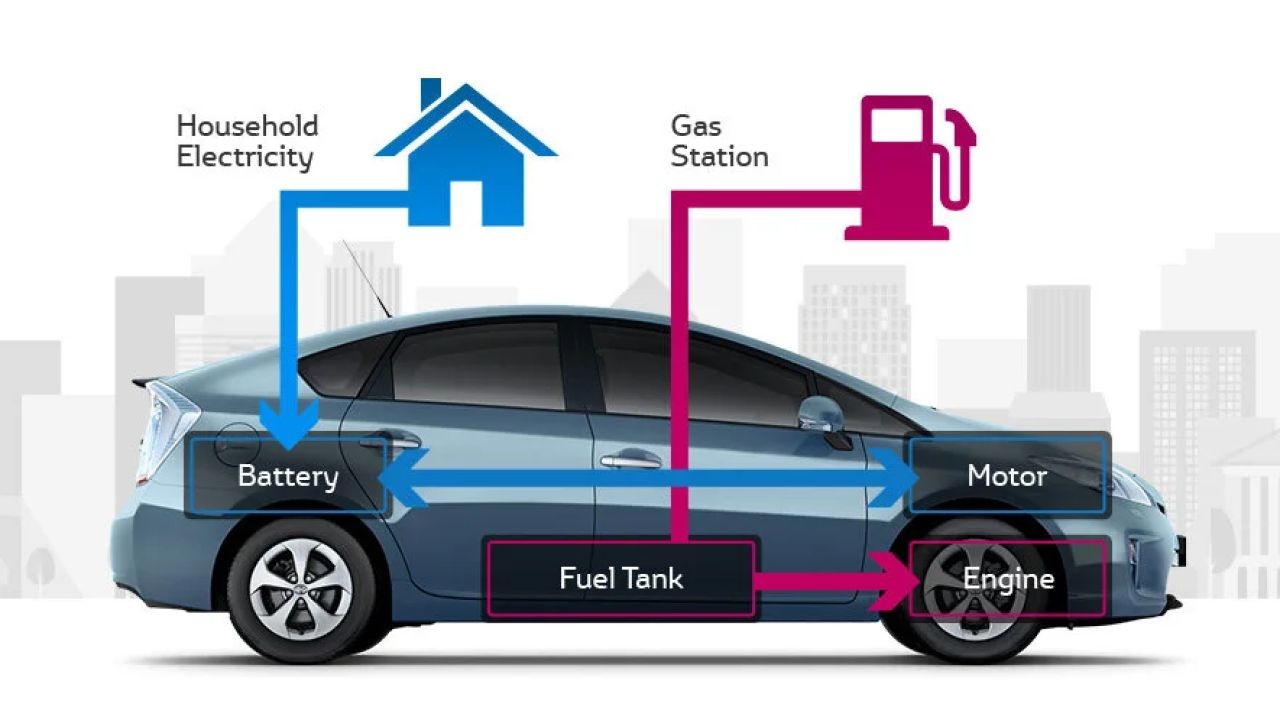
Hybrid vehicles combine an internal combustion engine with an electric motor to improve fuel efficiency and reduce emissions. These vehicles automatically switch between the gasoline engine and the electric motor to optimize performance and efficiency.
- Parallel Hybrids: These vehicles can be powered by either the engine or the electric motor independently, or by both simultaneously. This flexibility enhances fuel efficiency.
- Series Hybrids: In these models, the gasoline engine generates electricity to power the electric motor. The engine doesn't drive the car directly.
- Plug-in Hybrids (PHEVs): These hybrids have larger batteries that can be recharged from an external power source, allowing for extended electric-only driving ranges.
innovation Breakdown
Hybrid vehicle technology has undergone significant innovation, making it more accessible and efficient for the average consumer. Advancements in battery technology, regenerative braking, and power management systems have all contributed to the improved performance of hybrid vehicles.
- Battery Technology: Innovations in lithium-ion and solid-state batteries have increased the energy density and reduced the weight of hybrid vehicle batteries, enhancing their efficiency and driving range.
- Regenerative Braking: This technology captures kinetic energy during braking and converts it into electrical energy to recharge the vehicle's battery, improving overall efficiency.
- Power Management Systems: Modern hybrids use advanced power management systems to seamlessly switch between the gasoline engine and electric motor, optimizing performance and fuel economy.
Data-Driven Report: Hybrid Vehicles in New Zealand
New Zealand's commitment to reducing its carbon footprint is evident in its policies encouraging the adoption of hybrid and electric vehicles. According to the Ministry of Business, innovation and Employment (MBIE), the uptake of hybrid vehicles has steadily increased over the past few years, with a projected growth of 15% annually.
One of the key drivers behind this growth is the government's Clean Car Discount scheme, which provides financial incentives for purchasing low-emission vehicles. This initiative has made hybrid vehicles more financially accessible to Kiwi consumers, contributing to their rising popularity.
Real-World Case Study: Toyota New Zealand's Hybrid Success
Toyota New Zealand has been at the forefront of hybrid vehicle adoption in the country. The company's strategic focus on hybrid technology has resulted in significant market share growth and enhanced brand reputation.
- Problem: Toyota faced the challenge of transitioning consumer preferences from traditional gasoline vehicles to hybrids.
- Action: The company launched an extensive marketing campaign highlighting the environmental and economic benefits of hybrid vehicles. Toyota also expanded its hybrid model lineup to cater to diverse consumer needs.
- Result: Toyota New Zealand achieved a 30% increase in hybrid vehicle sales within the first year of the campaign. The company now holds a leading position in the hybrid vehicle market in New Zealand.
- Takeaway: Toyota's success demonstrates the importance of strategic marketing and product diversification in driving hybrid vehicle adoption.
Pros vs. Cons Analysis
Pros:
- Environmental Impact: Hybrid vehicles produce fewer emissions than traditional gasoline vehicles, contributing to cleaner air and reduced carbon footprint.
- Fuel Efficiency: Hybrids offer superior fuel economy, translating to cost savings for drivers.
- Incentives: Government incentives and rebates make hybrids financially attractive to consumers.
Cons:
- Initial Cost: Hybrid vehicles can be more expensive upfront compared to conventional vehicles.
- Battery Replacement: Over time, hybrid batteries may require replacement, which can be costly.
- Limited Electric Range: Some hybrids have limited electric-only range compared to fully electric vehicles.
Future Trends & Predictions: The Road Ahead for New Zealand
The future of driving in New Zealand is poised to be shaped by continued advancements in hybrid vehicle technology and supportive government policies. According to a report by Stats NZ, by 2030, it's anticipated that nearly 50% of new vehicle registrations will be hybrid or electric vehicles.
Emerging trends in autonomous driving technology, coupled with hybrid vehicles, offer exciting possibilities for the future of transportation. As these technologies evolve, businesses in New Zealand will need to adapt their strategies to capitalize on the opportunities presented by this rapidly changing landscape.
Conclusion
Hybrid vehicle technology is set to play a pivotal role in the future of driving in New Zealand. By embracing this technology, businesses and consumers alike can contribute to a more sustainable future while enjoying the benefits of enhanced fuel efficiency and reduced emissions. As the nation continues to prioritize environmental sustainability, hybrid vehicles will undoubtedly be at the forefront of this transformation.
What's Next? For businesses looking to stay ahead, it's crucial to invest in hybrid vehicle technology and explore partnerships with automotive innovators. By doing so, they can position themselves as leaders in the sustainable transportation movement.
Have thoughts on the future of hybrid vehicles in New Zealand? Share your insights in the comments below!
People Also Ask (FAQ)
- How does hybrid vehicle technology impact businesses in New Zealand? Hybrid technology offers businesses cost savings through improved fuel efficiency and access to government incentives, enhancing their sustainability profiles.
- What are the biggest misconceptions about hybrid vehicles? A common myth is that hybrids are not powerful. However, advancements in technology have equipped hybrids with performance capabilities rivaling traditional vehicles.
- What upcoming changes in New Zealand could affect hybrid vehicle adoption? By 2025, stricter emission standards are expected, further incentivizing the adoption of hybrid and electric vehicles in New Zealand.
Related Search Queries
- Hybrid vehicle technology in New Zealand
- Benefits of hybrid vehicles
- Future of driving in New Zealand
- New Zealand government incentives for hybrid cars
- Hybrid vs. electric vehicles
- Sustainability in the automotive industry
- Autonomous vehicles and hybrid technology
- Environmental impact of hybrid vehicles
- Hybrid vehicle market trends
- Challenges of hybrid vehicle adoption
For the full context and strategies on Hybrid Vehicle Technology Videos Explaining the Future of NZ Driving, see our main guide: Vehicle Launch Review Videos Nz.