






Introduction
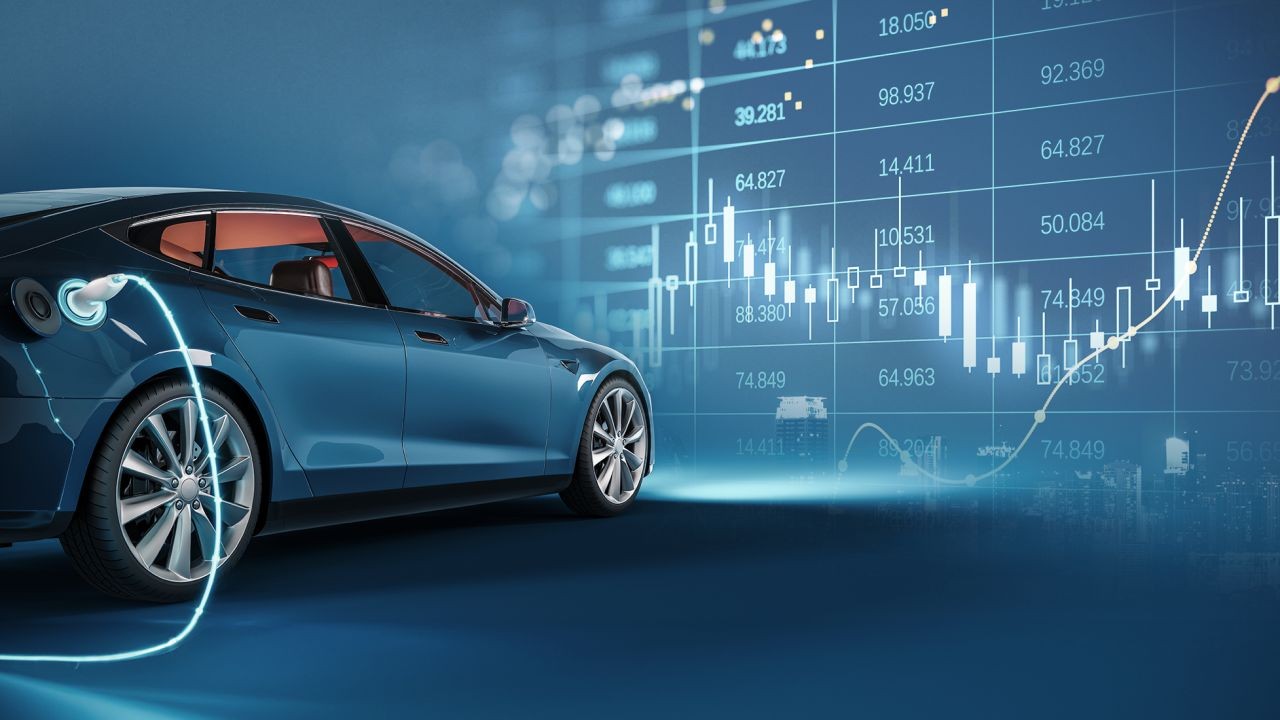
Imagine a future where New Zealand's roads are dominated by whisper-quiet electric vehicles (EVs), significantly reducing carbon emissions and reshaping the transportation landscape. With the government's ambitious target to have 64,000 electric vehicles on the road by 2023, this vision is rapidly becoming a reality. The transition to electric transportation is not just a trend, but a monumental shift affecting the economy, environment, and lifestyle of Kiwis. According to Stats NZ, the adoption of EVs is projected to reduce the country's carbon footprint by 20% by 2030. This article delves into the profound impact of electric vehicles on New Zealand's transportation sector, exploring both the opportunities and challenges that lie ahead.
Pros & Cons Evaluation
✅ Pros:
- Environmental Benefits: EVs contribute to a significant reduction in greenhouse gas emissions, supporting New Zealand's commitment to sustainability.
- Cost Savings: With lower running costs compared to traditional vehicles, EVs offer long-term financial benefits to consumers and businesses.
- Government Incentives: The New Zealand government offers incentives such as rebates and exemptions from road user charges to promote EV adoption.
- Technological Advancement: EVs represent the pinnacle of modern automotive technology, with features that enhance safety and driving experience.
❌ Cons:
- High Initial Costs: The upfront cost of purchasing an electric vehicle remains a barrier for many consumers.
- Infrastructure Challenges: Adequate charging infrastructure is crucial and still developing, particularly in rural areas.
- Range Anxiety: The limited range of some EV models can be a concern for long-distance travelers.
- Battery Disposal: The environmental impact of battery disposal and recycling needs addressing as EV adoption increases.
How It Works: A Deep Dive into Electric Vehicle Technology
Electric vehicles utilize electric motors powered by rechargeable batteries. Unlike internal combustion engines, EVs produce zero emissions during operation. The core components of an EV include:
- Battery Pack: The heart of an EV, responsible for storing and supplying electrical energy to the motor.
- Electric Motor: Converts electrical energy into mechanical energy, propelling the vehicle.
- Charging Port: Allows the vehicle to connect to an electrical supply for recharging.
- Onboard Charger: Converts the incoming AC electricity into DC power to charge the battery.
New Zealand's EV infrastructure is expanding, with over 300 public charging stations nationwide. Innovations like fast-charging technology are reducing the time it takes to recharge, making EVs more convenient for consumers.
Data-Driven Report: The Impact of EVs on New Zealand's Economy
According to the Ministry of Business, Innovation and Employment (MBIE), the EV market in New Zealand is expected to grow at a CAGR of 24% between 2021 and 2025. This growth is driven by several factors:
- Government Policies: Initiatives such as the Clean Car Discount scheme encourage the purchase of low-emission vehicles.
- Consumer Demand: Increasing awareness of climate change is driving consumers towards sustainable transportation options.
- Technological Advancements: Improvements in battery technology are extending the range and reducing the cost of EVs.
Case Study: Wellington's Public Transport Electrification
Problem: Wellington faced challenges in reducing its transportation sector's carbon emissions.
- The city’s reliance on diesel buses contributed significantly to urban pollution.
- Efforts to promote public transport faced hurdles due to emissions concerns.
Action: Wellington implemented an electric bus fleet and invested in charging infrastructure.
- The initiative aimed to replace a significant portion of diesel buses with electric ones.
- The city also installed fast-charging stations to support the fleet.
Result: Within two years, the introduction of electric buses led to:
- 30% reduction in public transport emissions.
- Increased public transport ridership by 15%.
- Enhanced air quality and reduced noise pollution in urban areas.
Takeaway: Wellington’s success demonstrates the potential of electrifying public transport in reducing emissions and improving urban living conditions. This approach can be replicated in other New Zealand cities to achieve similar environmental and social benefits.
Common Myths & Mistakes
Myth: "EVs will never replace traditional vehicles due to limited range."
Reality: Advances in battery technology have significantly increased the range of EVs, with some models offering up to 500 kilometers on a single charge.
Myth: "Charging an electric vehicle is inconvenient and time-consuming."
Reality: The growing network of fast-charging stations across New Zealand allows for quick recharges, with many EVs achieving an 80% charge in under 30 minutes.
Myth: "EVs are not environmentally friendly due to battery production."
Reality: Although battery production has an environmental impact, the overall lifecycle emissions of EVs are significantly lower than those of internal combustion engine vehicles.
Future Trends & Predictions
By 2030, New Zealand aims to have at least 64,000 electric vehicles on the road, as per the government’s Emissions Reduction Plan. This shift towards electrification will be driven by:
- Increased Range and Affordability: Continued advancements in battery technology will make EVs more affordable and practical for the average consumer.
- Enhanced Infrastructure: Expansion of charging networks will address range anxiety and encourage EV adoption.
- Policy Support: Government incentives will continue to promote sustainable transport solutions.
In conclusion, electric vehicles are set to revolutionize transportation in New Zealand, offering significant environmental and economic benefits. As the country accelerates its transition to electric mobility, businesses and consumers alike must adapt to this new era of sustainable transportation.
Final Takeaways & Call to Action
- Embrace the Future: Businesses should consider transitioning to EVs to align with sustainability goals and reduce operational costs.
- Stay Informed: Keep abreast of government policies and incentives that can support your transition to electric transportation.
- Engage in Dialogue: Share your thoughts on how EVs are impacting your industry and community. Join the conversation and be part of the change.
Are you ready to electrify your fleet? Start by exploring available incentives and evaluating how EVs can enhance your business operations. The future of transportation is electric, and it's time to plug into this transformative trend.
People Also Ask (FAQ)
- How do electric vehicles impact businesses in New Zealand?NZ businesses adopting EVs report lower operational costs and improved brand image, according to MBIE. Transitioning to EVs can lead to long-term savings and enhanced sustainability credentials.
- What are the biggest misconceptions about electric vehicles?A common myth is that EVs have limited range. However, advancements in battery technology have significantly extended their range, with some models exceeding 500 kilometers per charge.
- What upcoming changes in New Zealand could affect electric vehicles?By 2026, policy updates in the automotive industry could further incentivize EV adoption, making it beneficial for businesses to invest in electric fleets.
Related Search Queries
- Electric vehicles New Zealand government incentives
- EV charging infrastructure NZ
- Environmental impact of electric vehicles in NZ
- Electric vehicle market growth in New Zealand
- Future of transportation in NZ
- EV adoption rates in New Zealand
- Electric vehicle range anxiety solutions
- Cost savings of electric vehicles in NZ
- New Zealand electric bus initiatives
- EV battery recycling in New Zealand