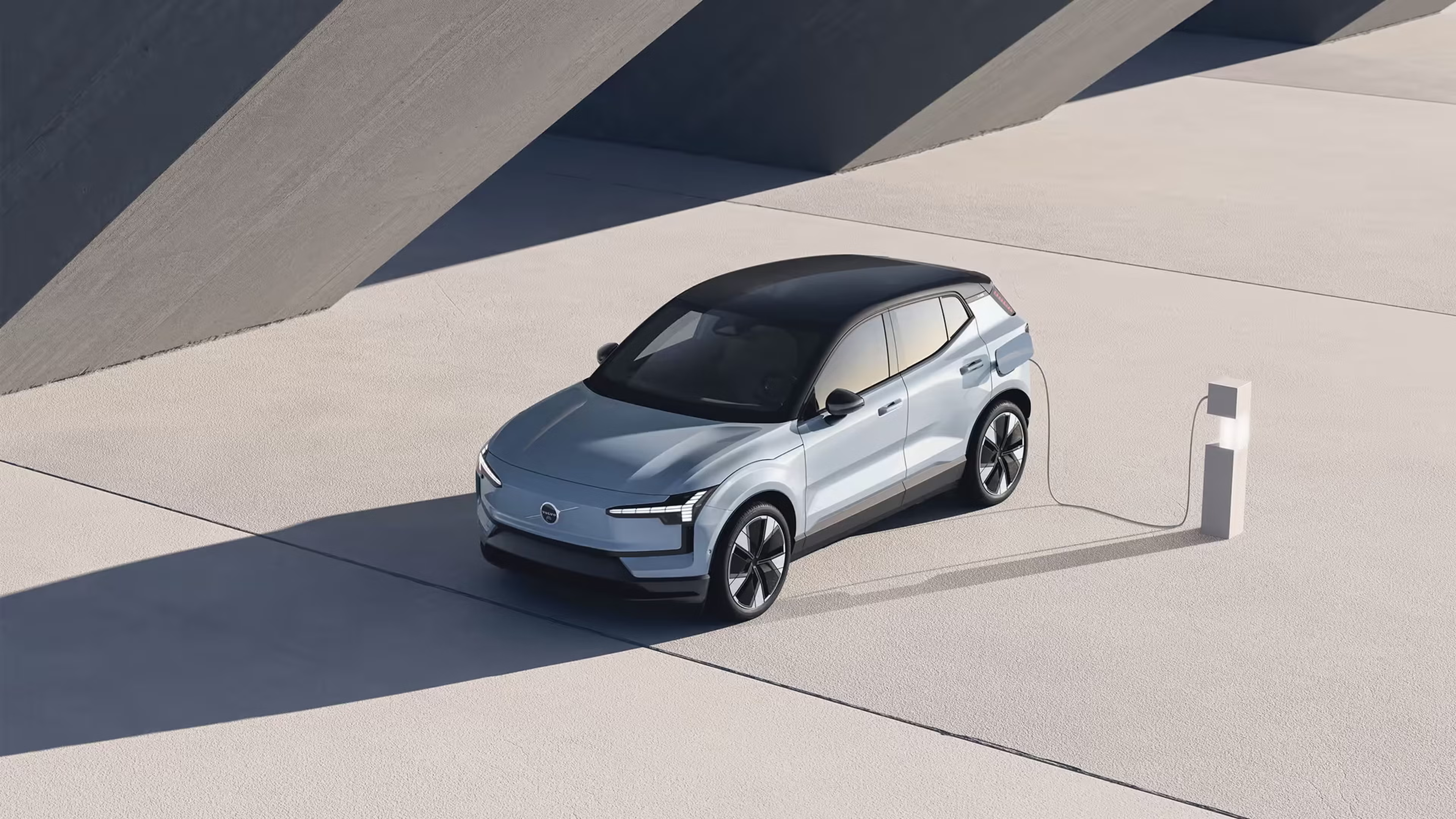





Electric vehicles (EVs) are rapidly gaining popularity in New Zealand, driven by the nation’s commitment to sustainability and reducing carbon footprints. With the government offering incentives to boost EV adoption, many Kiwi households are exploring the convenience of home charging solutions. This in-depth guide will delve into the benefits, challenges, and ROI of installing EV chargers at home, specifically focusing on video guides as a tool for Kiwi households.
Step-by-Step Guide: Installing EV Chargers at Home
Installing an EV charger at home offers convenience, but understanding the process can be daunting. Here’s a simplified guide:
- Research & Planning: Identify the suitable charger type (Level 1 or Level 2) based on your vehicle and daily usage.
- Check Electrical Capacity: Ensure your home's electrical system can support the additional load. Consult with a certified electrician if unsure.
- Select a Charger: Choose a charger that best fits your needs and budget. Consider future-proofing by selecting a model with smart features.
- Installation: Professional installation is recommended. An electrician will ensure compliance with New Zealand’s safety standards and regulations.
- Test & Charge: Once installed, test the charger with your vehicle. Monitor the initial charging sessions to ensure everything functions correctly.
How It Works: A Deep Dive into EV Charging
Understanding the mechanics behind EV charging enhances user confidence and ensures efficient usage. Here’s how it works:
- Power Source: EV chargers draw electricity from your home’s power supply to charge the vehicle's battery.
- Charging Speeds: Level 1 chargers use standard 120V outlets and are slower, while Level 2 chargers require 240V and offer faster charging.
- Smart Features: Modern chargers come with apps that allow users to monitor charging status, schedule timings, and even adjust power levels remotely.
Pros and Cons Evaluation: Home EV Charging in New Zealand
Like any investment, home EV charging stations have their pros and cons. Here’s a balanced view:
Pros:
- Convenience: Charge your vehicle overnight without the need to visit public charging stations.
- Cost-Effective: Home charging is cheaper compared to public stations, particularly with off-peak electricity rates.
- Increased Property Value: Homes equipped with EV chargers are increasingly attractive to potential buyers.
Cons:
- Initial Investment: The upfront cost of purchasing and installing a charger can be significant.
- Potential Upgrades: Older homes may require electrical upgrades to support a Level 2 charger.
- Limited Mobility: Charging at home is not viable for long trips unless planned accordingly.
Real-World Case Study: New Zealand’s EV Charging Landscape
Case Study: ChargeNet NZ – Pioneering Nationwide Charging Solutions
Problem: With the rise in EV adoption, New Zealand needed a robust infrastructure to support drivers beyond urban areas.
- ChargeNet NZ identified a gap in accessing charging stations, especially in rural regions.
- Limited charging options deterred potential EV buyers and restricted long-distance travel.
Action: ChargeNet NZ embarked on a mission to create a nationwide network of fast-charging stations.
- The company installed over 200 charging stations, strategically placed to cover key routes across the country.
- They partnered with local businesses and councils to secure locations and funding.
Result: The initiative significantly boosted EV adoption and usage.
- EV registrations in New Zealand surged by 50% in areas served by ChargeNet stations.
- Customer satisfaction improved, with reports of reduced range anxiety among EV drivers.
Takeaway: ChargeNet’s success showcases the importance of infrastructure in supporting EV growth. Kiwi households can leverage home charging as a complementary solution, ensuring readiness for the future of green mobility.
Common Myths and Mistakes
Myth vs. Reality
- Myth: "Home charging is only for tech-savvy individuals." Reality: Modern chargers are user-friendly, with easy-to-follow video guides simplifying the installation process.
- Myth: "Charging at home is slow and inefficient." Reality: Level 2 chargers offer fast charging solutions that are as efficient as public stations.
Biggest Mistakes to Avoid
- Neglecting Electrical Capacity: Ensure your home’s electrical system can handle the charger’s load to prevent outages.
- Choosing the Wrong Charger: Consider both current and future vehicle needs to avoid unnecessary upgrades.
- Ignoring Local Regulations: Compliance with local safety standards is crucial to avoid fines and ensure safety.
Future Trends and Predictions
As New Zealand continues to champion sustainability, the EV market is set to grow exponentially. By 2028, it is predicted that over 40% of Kiwi households will have home EV chargers. The government’s ongoing support, combined with advancements in battery technology, will make EVs more affordable and accessible to a broader demographic.
Conclusion
Charging at home revolutionizes the EV experience, offering convenience and cost savings for Kiwi households. By understanding the installation process and the pros and cons, homeowners can make informed decisions that align with their sustainability goals. As New Zealand leads the charge towards greener transportation, embracing home EV charging is a practical step towards a future-proof lifestyle.
Are you ready to electrify your home? Share your thoughts and experiences below!
People Also Ask (FAQ)
- How does home EV charging impact New Zealand's carbon footprint? Home EV charging significantly reduces reliance on fossil fuels, contributing to New Zealand's goal of net-zero emissions by 2050.
- What are the biggest misconceptions about EV charging? Many believe home charging is inefficient. However, Level 2 chargers offer rapid charging comparable to public stations.
- What are the best strategies for implementing EV charging at home? Start by assessing your electrical capacity, choosing the right charger, and ensuring compliance with safety regulations for a seamless setup.
Related Search Queries
- EV charging stations in New Zealand
- EV home charger installation cost
- Government incentives for EVs in NZ
- Best EV chargers for Kiwi homes
- EV battery recycling in New Zealand
For the full context and strategies on Charging at Home: EV Installation Video Guides for Kiwi Households, see our main guide: Motorsport Custom Community Videos Nz.