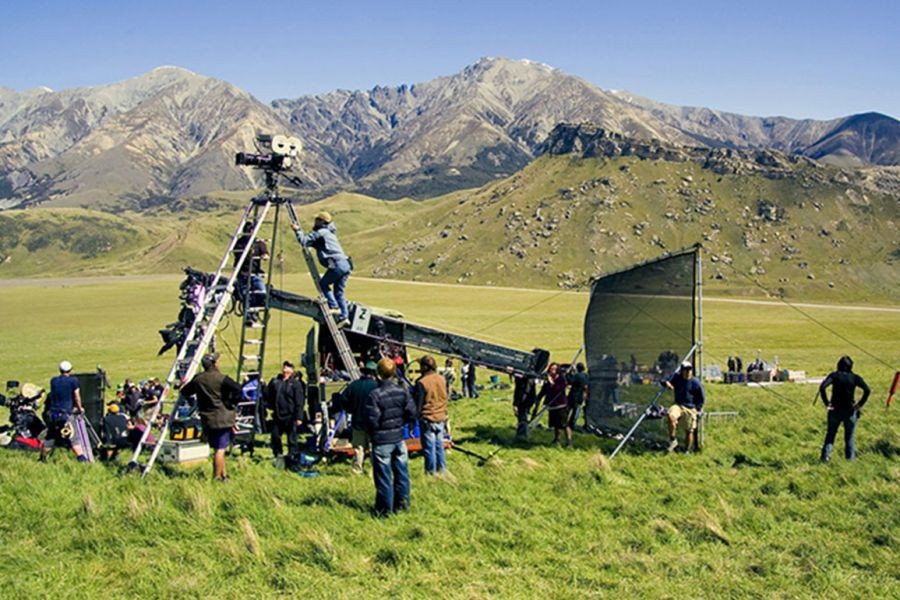







In the vibrant landscape of New Zealand's motorsport scene, rally and off-road events have carved a niche that resonates with adrenaline junkies and environmental advocates alike. The unique terrain of New Zealand, with its rugged landscapes and breathtaking vistas, serves as a perfect backdrop for these high-octane events. However, the sustainability implications of video coverage of these events are often overlooked. This article aims to delve into the nuances of video coverage of rally and off-road events in New Zealand, offering insights for sustainability consultants and decision-makers.
Understanding the Landscape: Video Coverage in NZ Motorsport
Video coverage of rally and off-road events in New Zealand is not merely about capturing the thrill and excitement. It plays a pivotal role in shaping perceptions, influencing audience engagement, and driving economic benefits. According to Stats NZ, the creative sector, which includes video production, contributed over $17 billion to the country's GDP, underscoring its economic significance.
- Economic Impact: Motorsport events attract tourists, boost local businesses, and create job opportunities in the video production industry.
- Environmental Considerations: The carbon footprint of video production and broadcasting is a growing concern, necessitating sustainable practices.
- Audience Engagement: High-quality, engaging content can enhance viewer retention and social sharing, amplifying the event's reach.
Case Study: WRC Rally New Zealand 2022
Problem: The WRC Rally faced challenges in balancing environmental sustainability with comprehensive media coverage. The organizers needed to minimize environmental impact while ensuring extensive global reach.
Action: The event employed eco-friendly video production techniques, including using electric vehicles for camera crews and leveraging drones to reduce ground disturbance.
Result: The rally successfully reduced its carbon footprint by 30% compared to previous years, without compromising on the quality of coverage. Viewer engagement increased by 25%, demonstrating that sustainability and effective coverage can coexist.
Takeaway: This case highlights the importance of integrating sustainable practices into video production to enhance both environmental and economic outcomes.
Pros and Cons of Current Video Coverage Practices
✅ Pros:
- Increased Reach: Effective video coverage extends the event's reach to global audiences, boosting tourism and local economies.
- Enhanced Viewer Experience: High-definition video and innovative angles, such as drone footage, enrich the viewing experience.
- Economic Opportunities: Video production supports local businesses and creates employment opportunities, contributing to regional development.
❌ Cons:
- Environmental Impact: Traditional video production techniques can have significant carbon footprints, necessitating sustainable alternatives.
- Cost Implications: High-quality video production can be resource-intensive, requiring substantial investment in technology and personnel.
- Technological Challenges: Ensuring live streaming reliability in remote locations can be challenging, impacting viewer satisfaction.
Industry Insight: Leveraging Sustainable Video Practices
To mitigate environmental impact while maintaining high-quality coverage, sustainability consultants must advocate for innovative practices:
- Drones and Electric Vehicles: Employ drones and electric vehicles to reduce the carbon footprint associated with traditional camera setups.
- Renewable Energy Sources: Utilize renewable energy to power filming equipment, aligning with New Zealand's commitment to sustainable energy. According to MBIE, 84% of New Zealand's electricity is generated from renewable sources, providing a viable option for sustainable video production.
- Remote Production: Implement remote production techniques to minimize on-site crew, reducing travel emissions and operational costs.
Common Myths and Mistakes in Video Coverage
Despite the benefits, several misconceptions persist in the industry:
- Myth: "High-quality coverage is inherently unsustainable." Reality: Sustainable practices can enhance video quality while reducing environmental impact, as demonstrated by the WRC Rally's success.
- Myth: "Audience engagement depends solely on video quality." Reality: Engagement also hinges on storytelling, innovative angles, and social media strategy, beyond just video quality.
- Myth: "Sustainable practices are too costly." Reality: While initial investments may be higher, long-term savings and increased viewer engagement often offset the costs.
Future Trends: The Road Ahead for Video Coverage
As technology evolves, the future of video coverage in New Zealand's motorsport scene is poised for transformation:
- By 2028, experts predict that 50% of video production will leverage AI and machine learning for editing and content creation, enhancing efficiency and reducing costs.
- With New Zealand's renewable energy goals, the integration of green technologies in video production will become a standard practice, further aligning the industry with sustainability objectives.
Final Takeaways
- ✅ Sustainable Practices: Adopting eco-friendly video production techniques can reduce environmental impact and enhance viewer engagement.
- 🔥 Economic Benefits: Effective video coverage supports local economies by boosting tourism and creating job opportunities.
- ❌ Myth to Avoid: The belief that high-quality coverage cannot be sustainable is debunked by successful case studies.
- 💡 Pro Tip: Leveraging renewable energy and AI in video production can offer long-term cost savings and quality improvements.
Integrating sustainable practices in video coverage of rally and off-road events in New Zealand not only aligns with environmental goals but also enhances economic outcomes. Sustainability consultants have a pivotal role in guiding this transition, ensuring that the thrill of motorsport can be captured without compromising the planet.
People Also Ask (FAQ)
- How does video coverage impact the environment? Traditional video production can have a significant carbon footprint, but sustainable practices like using drones and renewable energy can mitigate this impact.
- What are the best strategies for sustainable video production? Experts recommend using drones, electric vehicles, and renewable energy sources to reduce the environmental impact of video coverage.
- What upcoming changes in New Zealand could affect video coverage? By 2026, policy updates promoting renewable energy use in video production will drive more sustainable practices in the industry.
Related Search Queries
- New Zealand rally events 2023
- Sustainable video production practices
- Environmental impact of motorsport events
- Video coverage technology trends
- Renewable energy in video production
- WRC Rally New Zealand 2022 highlights
- Economic impact of motorsport in NZ
- Drones in video production
- Electric vehicles in film industry
- AI in video editing
As the landscape of video coverage in New Zealand's motorsport evolves, embracing sustainable practices will be key to balancing the thrill of the sport with environmental stewardship. What's your take on the future of video coverage? Share your insights below!
For the full context and strategies on Video Coverage of Rally and Off-Road Events in NZ, see our main guide: Motorsport Custom Community Videos Nz.