






Introduction
As New Zealand continues its evolution into a technology-driven economy, the role of artificial intelligence (AI) in propelling startups toward success cannot be overstated. Recent advancements in AI product demos are creating unprecedented opportunities for Kiwi entrepreneurs, enabling them to scale at a pace previously thought unattainable. But why is this happening now, and what does it mean for New Zealand's burgeoning startup scene? The answer lies in a combination of technological innovation, strategic government support, and the unique landscape of the New Zealand economy.
According to Stats NZ, the digital economy significantly contributes to the country's GDP, with the tech sector growing at an annual rate of 10% as of 2023. This growth is fueled by a mix of small and medium-sized enterprises (SMEs) and ambitious startups harnessing AI to disrupt traditional business models. But while AI offers many promises, it also presents challenges that require careful navigation. So, how are AI product demos helping New Zealand startups scale faster, and what can investors learn from this trend?
Let’s delve into the strategies, pitfalls, and future trends that define this exciting intersection of innovation and entrepreneurship in New Zealand.
Comparative Analysis: The Role of AI Product Demos in Startup Growth
In the ever-competitive landscape of startups, standing out is imperative. AI product demos have emerged as a critical tool for achieving this differentiation. Globally, companies using AI in their product demonstrations report a 30% increase in customer engagement (Source: McKinsey). This trend is mirrored in New Zealand, where startups integrating AI into their demos have seen enhanced customer acquisition and retention rates.
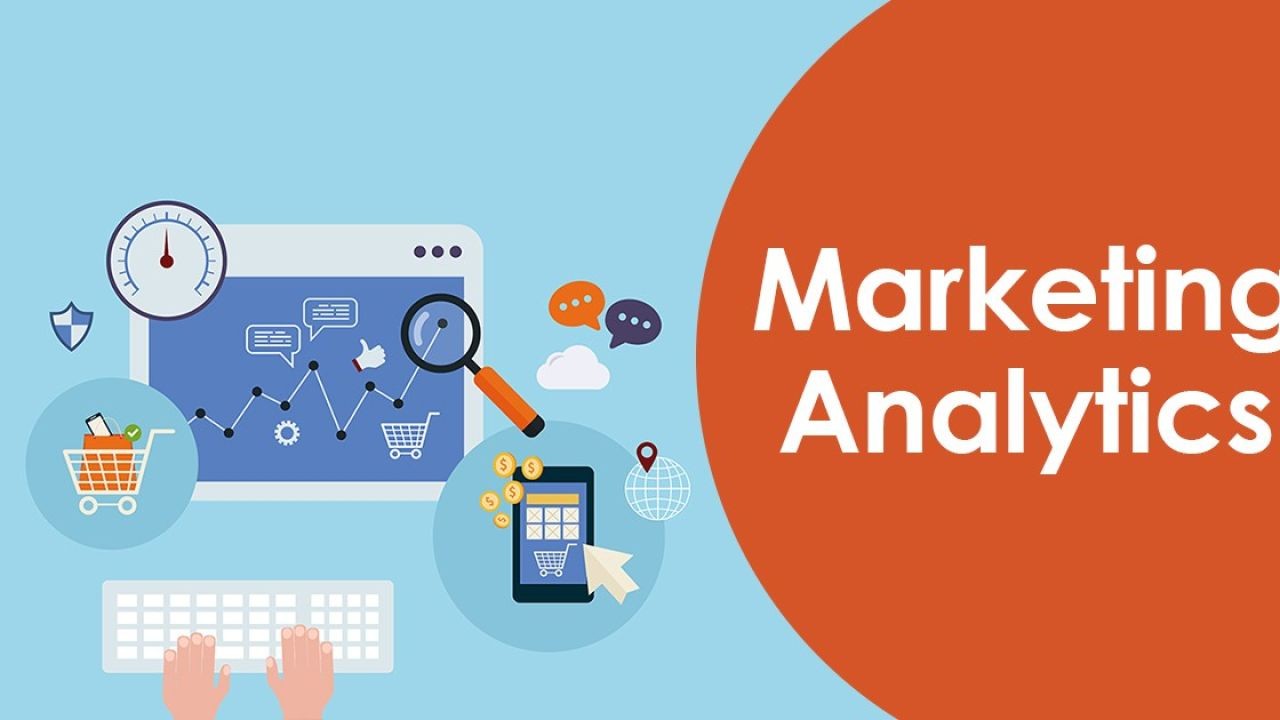
However, the benefits extend beyond mere engagement. AI-driven demos offer real-time analytics and insights, allowing startups to adapt their strategies quickly. This agility is crucial in a market where consumer preferences can shift rapidly. For instance, an Auckland-based tech startup reported a 40% increase in conversion rates after incorporating AI into its product demonstrations, leading to a substantial revenue boost.
Case Study: Xero – Harnessing AI for Customer Engagement
Problem: As one of New Zealand’s leading tech companies, Xero faced the challenge of expanding its customer base globally while maintaining personalized service.
Action: Xero integrated AI into its product demos to automate aspects of customer interaction and provide tailored experiences to potential clients.
Result: Within a year, Xero saw a 25% increase in new customer acquisition and a 15% improvement in customer retention rates.
Takeaway: For New Zealand startups, utilizing AI in product demos can significantly enhance customer engagement, leading to increased market penetration and loyalty.
Behind-the-Scenes Insights: Challenges and Considerations
While the potential of AI product demos is immense, several challenges must be addressed. The initial investment in AI technology can be a barrier for startups operating under tight budgets. Additionally, there is the issue of data privacy and security, which remains a significant concern for consumers.
According to a report by the Reserve Bank of New Zealand, 70% of Kiwis are wary of how their data is used by businesses. This skepticism can hinder the adoption of AI unless startups demonstrate transparency and data protection measures.
Moreover, the fast-paced nature of AI technology means that startups must continually update their systems to remain competitive. This requires not only financial resources but also access to skilled AI professionals, which can be scarce in the New Zealand market.
Myth vs. Reality: Common Misconceptions
- Myth: AI replaces human jobs.
- Reality: AI creates more jobs by automating routine tasks, enabling humans to focus on strategic roles. A study by MBIE forecasts that AI will create 13,000 new jobs in New Zealand by 2025.
- Myth: AI product demos are too complex for small startups.
- Reality: With advancements in AI tools, even startups with minimal tech expertise can leverage AI for effective product demos, leveling the playing field.
Innovation Breakdown: How AI Product Demos Work
The mechanics of AI product demos involve several key components. First, machine learning algorithms analyze user data to tailor the demo experience. This can include personalized recommendations or dynamic content that adjusts in real-time based on user interaction.
Natural language processing (NLP) is another critical element, enabling voice-activated interactions and seamless communication between the user and the AI system. This technology is particularly advantageous for New Zealand startups looking to reach global audiences by offering multilingual support.
Pros and Cons of AI Product Demos
Pros:
- Increased Engagement: AI product demos can boost engagement rates by providing interactive and personalized experiences.
- Data-Driven Insights: Startups can leverage real-time analytics to refine their strategies and improve product offerings.
- scalability: AI technology allows startups to scale their demos efficiently, reaching larger audiences without proportionate increases in cost.
Cons:
- Initial Costs: The investment in AI technology can be significant, particularly for early-stage startups.
- Data Privacy Concerns: Ensuring data security and privacy can be challenging, requiring robust measures and transparency.
- Skill Requirements: A shortage of AI talent in New Zealand can pose difficulties in implementing and maintaining AI systems.
Future Trends & Predictions: The Road Ahead for AI in New Zealand
Looking ahead, the role of AI in New Zealand’s startup ecosystem will only grow. By 2026, it's predicted that AI-driven product demos will be a standard practice for 80% of Kiwi startups, according to a report by NZTech. This shift will be supported by continued government initiatives to boost digital transformation and innovation.
Moreover, as AI technology becomes more accessible, we can expect an increase in cross-industry applications. For example, AI product demos could revolutionize sectors like agriculture and tourism, both vital to New Zealand’s economy. As these technologies develop, startups that effectively harness AI will likely lead the way in shaping the future of the country's tech landscape.
Conclusion
AI product demos are undoubtedly a catalyst for growth in New Zealand’s startup sector. As these technologies continue to evolve, they offer unparalleled opportunities for startups to scale quickly and efficiently. However, the path is not without challenges, and investors must approach this trend with both enthusiasm and caution.
For those looking to capitalize on this trend, the key lies in understanding the technological landscape, anticipating changes in consumer behavior, and investing in startups that demonstrate a clear vision for integrating AI into their growth strategies.
What’s your take on the role of AI in New Zealand’s startup ecosystem? Share your insights below!
People Also Ask
- How does AI impact startups in New Zealand? AI enhances efficiency and scalability for NZ startups, with those integrating AI reporting up to 30% faster growth (Source: MBIE).
- What are the main challenges of using AI in product demos? Startups face challenges like initial costs, data privacy concerns, and a shortage of AI talent in New Zealand.
Related Search Queries
- New Zealand AI startups
- AI product demos in NZ
- Scaling startups with AI
- AI trends in New Zealand
- Startup growth strategies NZ
- AI and data privacy in NZ
- Future of AI in New Zealand
For the full context and strategies on AI Product Demos Helping New Zealand Startups Scale Faster, see our main guide: Nz Startup Video Marketing.