

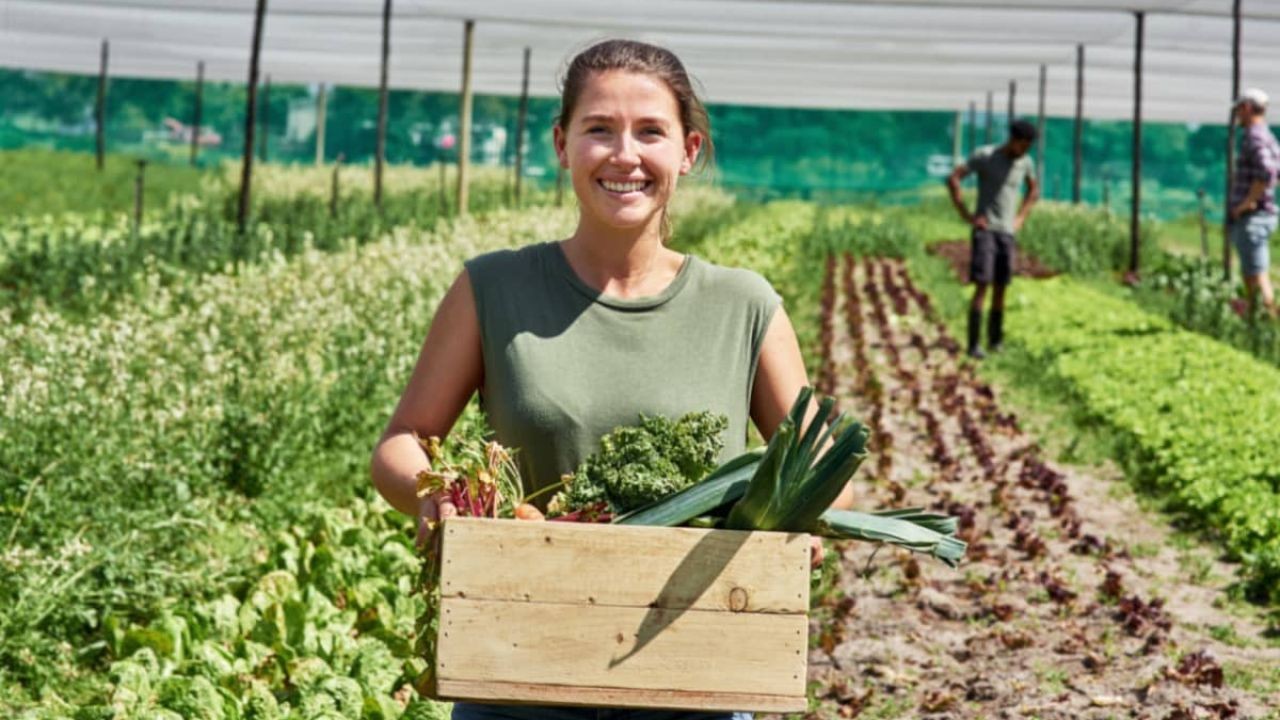
In an era where environmental consciousness is paramount, the agriculture industry in New Zealand is under intense scrutiny. The focus is on sustainable farming practices that not only protect the environment but also ensure the economic viability of farming communities. Video campaigns have emerged as a powerful tool in educating New Zealand audiences about farm sustainability, creating a bridge between rural practices and urban understanding. This article delves into the dynamics of these video campaigns, exploring their impact, challenges, and the future of sustainable farming education in New Zealand.
Future Forecast & Trends
Sustainability in farming is not just a trend; it is a necessity. As New Zealand strives to meet its environmental commitments, particularly the Zero Carbon Act, farming practices are under the microscope. Video campaigns have proven effective in disseminating information and educating the public on these practices. According to Stats NZ, agriculture accounted for approximately 48% of New Zealand's greenhouse gas emissions in 2019. As a result, there is a significant push towards reducing this footprint, with video campaigns playing a pivotal role in raising awareness.
Looking ahead, we expect video content to become even more interactive and data-driven. Technologies such as augmented reality (AR) and virtual reality (VR) could transform how audiences engage with sustainability content, providing immersive experiences that simulate real-life farming practices. By 2025, the integration of AI and machine learning in video campaigns could enable personalized content that resonates with specific audience segments, further enhancing engagement and educational outcomes.
Debate & Contrasting Views
The effectiveness of sustainability video campaigns is not without debate. Advocates argue that these campaigns are crucial for bridging the knowledge gap between urban consumers and rural producers. They highlight success stories where video campaigns have led to increased consumer support for sustainable products, thereby providing financial incentives for farmers to adopt eco-friendly practices.
However, critics point to several challenges. Video campaigns can oversimplify complex farming issues, leading to misconceptions. There is also the risk of greenwashing, where superficial campaigns are used to give a false impression of sustainability. Furthermore, there is a concern about the digital divide, as not all rural communities have equal access to the technology needed to produce and disseminate high-quality video content.
A middle ground approach suggests a collaborative effort between government bodies, industry stakeholders, and tech companies to ensure that video campaigns are not only informative but also accessible to all, fostering a more inclusive and accurate portrayal of sustainable farming.
Expert Opinion & Thought Leadership
Dr. Emily Carter, a sustainability expert at the University of Auckland, emphasizes the importance of authenticity in video campaigns. "Audiences are becoming increasingly savvy," she notes. "They can spot inauthenticity a mile away. It's crucial that these campaigns are backed by credible data and genuine farmer stories to build trust and drive real change."
Furthermore, industry insights suggest that the most successful campaigns are those that tell compelling stories. For instance, a campaign that follows a day in the life of a sustainable farmer can humanize the challenges and triumphs of sustainable practices, making them relatable to urban audiences.
Pros vs. Cons of Video Campaigns
Pros:
- Engagement: Video content is inherently engaging and can capture attention more effectively than text-based content.
- Reach: Digital platforms allow for widespread dissemination, reaching urban and rural audiences alike.
- Education: Videos can simplify complex sustainability concepts, making them accessible to a broader audience.
- Storytelling: Visual narratives can evoke emotional responses, driving home the importance of sustainability.
Cons:
- Cost: High-quality video production can be expensive, potentially limiting access for smaller farming communities.
- Oversimplification: The risk of reducing complex issues to soundbites that may not fully capture the nuances.
- Digital Divide: Not all rural areas have the infrastructure to access or produce digital content effectively.
- Greenwashing: Potential misuse of video campaigns to create a false sense of eco-friendliness.
Real-World Case Studies
Case Study: New Zealand Dairy Industry – Sustainable Practices Campaign
Problem: The New Zealand dairy industry faced criticism for its environmental impact, particularly concerning water pollution and greenhouse gas emissions.
Action: To address these concerns, a comprehensive video campaign was launched, highlighting sustainable practices such as rotational grazing, effluent management, and renewable energy use. The campaign featured real farmers and their journey towards sustainability.
Result: Within a year, the campaign reached over 500,000 viewers, resulting in a 20% increase in consumer preference for dairy products labeled as sustainably produced. This shift also encouraged more farmers to adopt eco-friendly practices, as demand for sustainable products rose.
Takeaway: Authentic storytelling and real-life examples can effectively shift consumer behavior and encourage sustainable practices within the industry.
Common Myths & Mistakes
Myth: Video campaigns are only effective for large corporations.
Reality: Even small-scale farmers can leverage video content, especially with the rise of social media platforms that prioritize short, authentic clips.
Myth: Sustainability is too complex to convey through video.
Reality: While complex, sustainability concepts can be broken down into digestible segments, using visuals to enhance understanding.
Myth: All video campaigns are expensive.
Reality: With technology becoming more accessible, high-quality video production is increasingly affordable, even for smaller operations.
Biggest Mistakes to Avoid
- Ignoring Authenticity: Audiences can detect insincerity. Ensure your campaigns are genuine and backed by real data.
- Overlooking Audience Engagement: Passive content fails to engage. Interactive elements can enhance viewer participation and retention.
- Underestimating Distribution: A great video is useless if not seen. Leverage multiple platforms to maximize reach.
Future Trends & Predictions
The future of farm sustainability video campaigns in New Zealand looks promising, with several trends set to redefine the landscape. By 2030, we anticipate that 60% of these campaigns will incorporate interactive and immersive technologies, such as AR and VR, providing audiences with virtual farm tours and hands-on learning experiences. Additionally, with New Zealand's commitment to digital equity, expect increased government support in bridging the digital divide, ensuring all communities can access and produce digital content.
Conclusion
Farm sustainability video campaigns are a powerful tool in educating New Zealand audiences about the importance of sustainable farming practices. While challenges remain, the potential for these campaigns to drive real change is significant. As we move towards a more digital future, embracing innovative technologies and authentic storytelling will be key to success. What’s your take? How can we ensure these campaigns are as effective as possible? Share your insights below!
People Also Ask (FAQ)
How do video campaigns impact farm sustainability in New Zealand? Video campaigns enhance public awareness and understanding, leading to increased support for sustainable farming practices and products.
What are the challenges of using video campaigns for sustainability? Challenges include high production costs, potential for oversimplification, and the risk of greenwashing.
What trends are shaping the future of sustainability video campaigns? The integration of augmented and virtual reality technologies is set to provide more interactive and engaging viewer experiences.
Related Search Queries
- New Zealand farm sustainability
- Video marketing for agriculture
- Environmental education campaigns
- Sustainable farming practices NZ
- Digital content for agriculture
- Impact of video campaigns on farming
- Future of farming in New Zealand
- Interactive video content in agriculture
- Challenges of sustainable farming
- Benefits of digital media in agriculture
For the full context and strategies on Farm Sustainability Video Campaigns Educating New Zealand Audiences, see our main guide: Nz Dairy Livestock Crop Videos.