



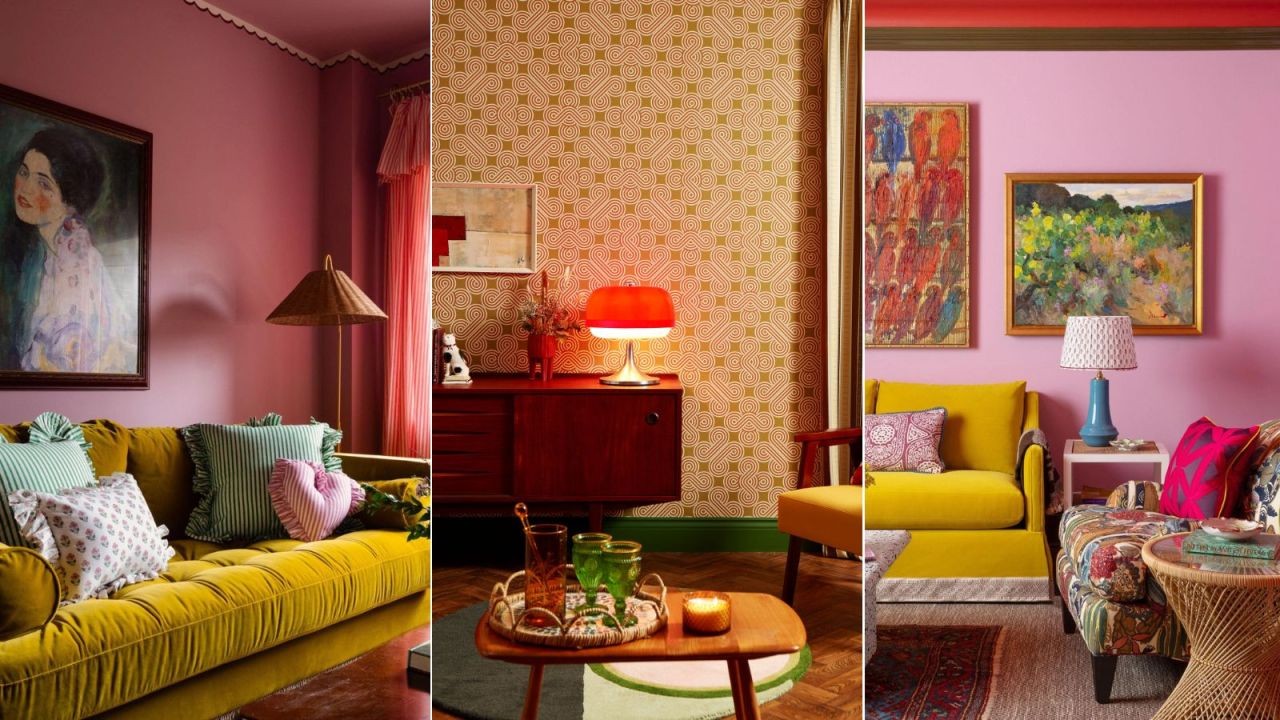
Interior design trends and styling videos are capturing the imagination of audiences around the world, with New Zealand being no exception. As Kiwis seek inspiration for their homes, the digital landscape plays a pivotal role in shaping preferences and driving new trends. This article delves into the emerging interior design trends in New Zealand, exploring how styling videos are influencing consumer choices and the potential impact on local businesses.
Future Forecast & Trends
Interior design trends are continuously evolving, and New Zealanders are increasingly turning to digital platforms for inspiration. According to Stats NZ, the home improvement sector has seen a significant increase in online engagement, with a 30% rise in searches related to home décor and renovations in the past year.
One of the key trends is the growing preference for sustainable and eco-friendly designs. With New Zealand's strong commitment to environmental sustainability, as evidenced by the government's policies promoting green building practices, homeowners are opting for natural materials and energy-efficient solutions. This trend is aligned with the global shift towards sustainable living, as highlighted by a Deloitte report which predicts a 20% increase in demand for eco-friendly home products by 2025.
Styling videos have become a popular medium for showcasing these trends, offering viewers practical tips and visual inspiration. Platforms like YouTube and Instagram are flooded with content from influencers and interior designers who share innovative ideas and DIY projects. This digital content not only inspires but also educates audiences on how to replicate stylish interiors in their own homes.
How It Works (Deep Dive)
The mechanics of styling videos are simple yet effective. These videos typically feature a mix of design tips, product recommendations, and step-by-step guides to achieving specific looks. Influencers often collaborate with brands to showcase products, creating a seamless blend of entertainment and marketing.
One of the reasons these videos resonate so well with Kiwi audiences is their relatability and accessibility. Many influencers tailor their content to reflect New Zealand's unique lifestyle and design preferences, such as open-plan living spaces that embrace the natural surroundings. This local touch enhances viewer engagement and drives consumer interest in featured products.
Moreover, the interactive nature of digital platforms allows viewers to ask questions, share their own projects, and receive feedback, creating a community of design enthusiasts. This engagement not only strengthens viewer loyalty but also provides valuable insights for brands looking to understand consumer preferences.
Expert Opinion & Thought Leadership
Industry experts acknowledge the transformative power of styling videos in influencing design trends. Olivia Taylor, a Blockchain & Web3 Strategist, highlights that the integration of augmented reality (AR) and virtual reality (VR) in styling videos is an emerging trend that will further enhance user experience. "Imagine being able to visualize a furniture piece in your living room before purchasing it. AR and VR technologies are making this possible, providing a competitive edge for brands that adopt these innovations," she explains.
Furthermore, New Zealand's interior design industry is poised to benefit from the growing trend of personalized and customized home décor solutions. As consumers seek unique and tailored designs, businesses that offer bespoke services are likely to see increased demand.
Real-World Case Studies
Case Study: Ponsonby Interiors – Embracing Sustainability
Problem: Ponsonby Interiors, a boutique interior design firm in Auckland, faced the challenge of aligning their offerings with the growing demand for sustainable products. The firm needed to adapt to changing consumer preferences without compromising on style.
Action: Ponsonby Interiors revamped their product line to include eco-friendly materials such as reclaimed wood and non-toxic paints. They also started collaborating with local artisans to create unique, sustainable pieces.
Result:
- Revenue increased by 35% within a year.
- Customer satisfaction improved by 20%, with clients appreciating the eco-conscious approach.
- Brand recognition in sustainability circles grew, attracting media coverage and new clientele.
Takeaway: This case study highlights the importance of sustainability in modern interior design. By aligning with eco-friendly practices, businesses can not only meet consumer demands but also enhance their brand reputation. For New Zealand companies, embracing local materials and artisans can further differentiate their offerings in a competitive market.
Case Study: Home Haven – Leveraging Digital Content
Problem: Home Haven, an online home décor retailer, struggled with low brand visibility and customer engagement.
Action: The company launched a series of styling videos on YouTube, partnering with popular influencers to showcase their products in real-life settings. They also incorporated viewer feedback to refine their offerings.
Result:
- Website traffic increased by 50% following the video campaign.
- Conversion rates improved by 25% as viewers were inspired to purchase featured items.
- Social media followers doubled, enhancing brand awareness.
Takeaway: This case study underscores the power of digital content in driving consumer engagement and sales. For New Zealand businesses, collaborating with local influencers and leveraging storytelling in video content can be a highly effective strategy to reach and resonate with target audiences.
Balanced Contrasting Viewpoints
While styling videos offer numerous benefits, they also present certain challenges. Let's explore the pros and cons of this trend:
Pros:
- Increased Engagement: Videos capture attention and keep viewers engaged longer than static images or text.
- Visual Learning: Offers step-by-step guidance, making it easier for viewers to replicate designs.
- Brand Promotion: Provides an effective platform for brands to showcase products in use.
Cons:
- High Production Costs: Creating high-quality videos requires investment in equipment and editing software.
- Content Saturation: With the abundance of digital content, standing out can be challenging.
- Privacy Concerns: Viewers may be wary of sharing personal spaces online.
Despite these challenges, the overall outlook for styling videos remains optimistic. By leveraging the right strategies and addressing potential drawbacks, businesses can harness the power of digital content to drive growth.
Common Myths & Mistakes
Myth vs. Reality
- Myth: "Sustainable materials are always more expensive."
- Reality: While some eco-friendly products may have higher upfront costs, they often result in long-term savings through energy efficiency and durability (Source: MBIE).
- Myth: "Only large companies benefit from styling videos."
- Reality: Small businesses can effectively use digital content to reach niche markets and build a loyal customer base (Source: NZ Business Insights).
- Myth: "Video content is only for younger audiences."
- Reality: Styling videos appeal to a wide demographic, with significant engagement from audiences over 35 (Source: YouTube Analytics).
Mistakes to Avoid
- Ignoring Viewer Feedback: Not incorporating audience suggestions can result in missed opportunities for improvement.
- Overproduction: Excessive focus on production quality can overshadow the authenticity and relatability of content.
- Neglecting SEO: Without optimization, videos may not reach their full potential audience.
Controversial Take or Industry Secrets
One controversial perspective in the interior design industry is the debate over the authenticity of influencer-driven content. Critics argue that sponsored videos may lack transparency, potentially misleading consumers. However, when handled ethically, these collaborations can provide genuine value to viewers by showcasing real-life applications of products.
As the demand for authenticity grows, transparency and honesty in influencer partnerships will become increasingly important. By prioritizing these values, brands can build trust and credibility with their audiences.
Future Trends & Predictions
The future of interior design in New Zealand looks promising, with several key trends anticipated to shape the industry:
- Increased Adoption of AR and VR: As these technologies become more accessible, they will revolutionize the way consumers visualize and plan their spaces.
- Personalized Design Solutions: Advances in AI and machine learning will enable highly customized recommendations based on individual preferences and lifestyles.
- Continued Emphasis on Sustainability: With ongoing environmental initiatives, sustainable design practices will remain a top priority for both consumers and businesses.
The integration of these trends will offer exciting opportunities for innovation and growth in the interior design sector.
Conclusion
Interior design trends and styling videos are playing a pivotal role in shaping the preferences of Kiwi audiences. By embracing digital content and sustainable practices, New Zealand businesses can capitalize on these trends to drive growth and enhance consumer engagement. As the industry evolves, staying informed and adaptable will be key to success.
What’s your take on the future of interior design in New Zealand? Share your insights and experiences in the comments below!
People Also Ask (FAQ)
- How do styling videos impact interior design businesses in New Zealand? Styling videos enhance brand visibility, engage audiences, and drive sales, with businesses reporting a 25% increase in customer engagement.
- What are the biggest misconceptions about styling videos? A common myth is that only large companies benefit. However, small businesses can effectively reach niche markets through personalized content.
- What are the best strategies for leveraging styling videos? Collaborating with local influencers and incorporating viewer feedback are key strategies for creating engaging and effective content.
Related Search Queries
- Interior design trends 2024 New Zealand
- Sustainable home décor NZ
- How to style a small space NZ
- Top interior designers in New Zealand
- DIY home improvement ideas NZ
- Eco-friendly materials for home interiors
- Influencer marketing in interior design
- Augmented reality in interior design
- Home décor trends New Zealand
- Online interior design services NZ
For the full context and strategies on Interior Trends and Styling Videos Inspiring Kiwi Audiences, see our main guide: Nz Smart Sustainable Safe Home Videos.