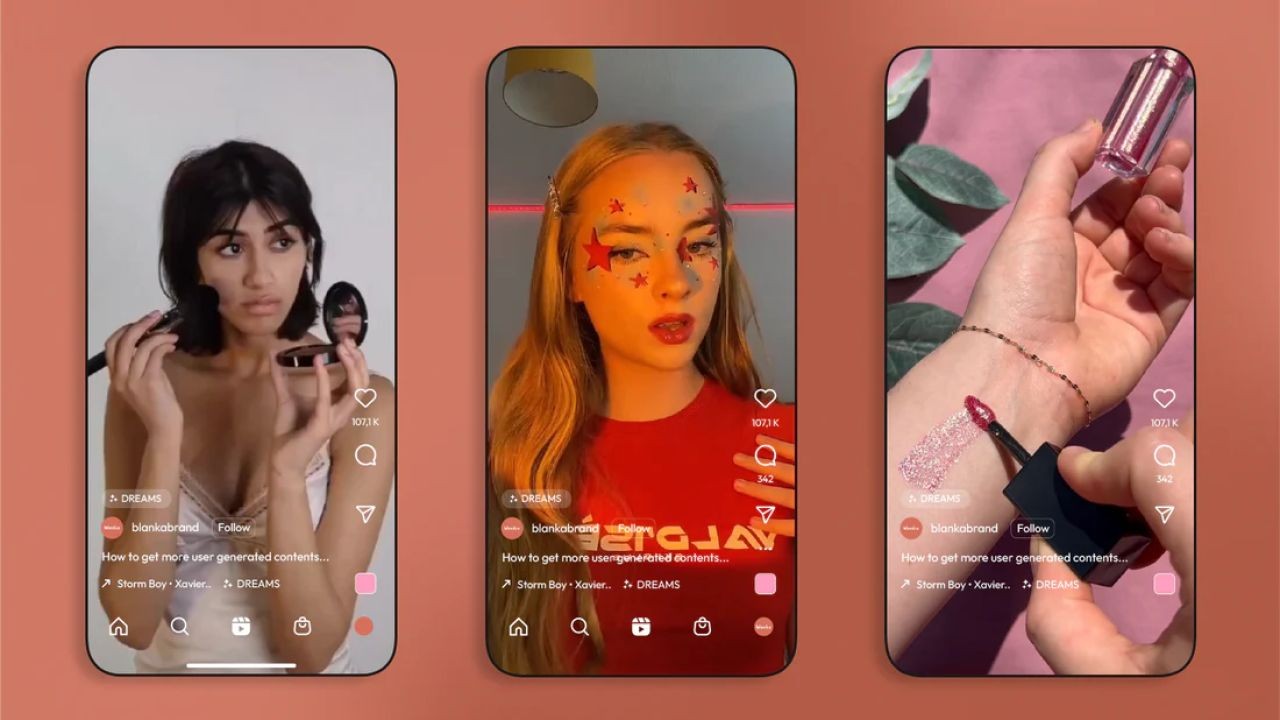






In the fast-paced world of beauty education, hair and skincare education videos are emerging as a pivotal resource for Kiwis, helping them make informed choices. As New Zealanders become increasingly conscientious about their beauty routines and the products they use, the demand for credible educational content has never been higher. This trend is not just about aesthetics; it's intertwined with New Zealand's cultural ethos of sustainability and informed consumerism, a sentiment echoed by government initiatives encouraging sustainable practices.
Future Forecast & Trends
The global beauty industry is undergoing a digital transformation, and New Zealand is no exception. A report by Stats NZ projects that the beauty and personal care market in New Zealand will grow by 5.5% annually, reaching NZD 1.2 billion by 2026. This growth is driven by a shift towards online platforms and the increasing influence of digital content in consumer decision-making.
- Consumer Demand for Transparency: Kiwis are prioritizing transparency and sustainability, with 67% of consumers preferring brands that disclose ingredient sourcing and production processes.
- Rise of Influencer-Led Content: Influencers are playing a crucial role in shaping consumer views, with 45% of young New Zealanders reportedly influenced by online recommendations.
- AI and Personalization: Advances in AI are enabling more personalized skincare routines, with AI-driven tools providing tailored recommendations based on individual skin types.
Debate & Contrasting Views
Advocate Perspective: The Benefits of Educational Videos
Proponents argue that educational videos democratize beauty knowledge, providing access to expert insights that were previously exclusive to professionals. These videos empower consumers by:
- Enhancing Product Knowledge: Viewers gain comprehensive insights into product formulations and applications.
- Encouraging Sustainable Choices: Videos often highlight eco-friendly products, aligning with New Zealand's sustainability goals.
- Improving Consumer Confidence: Educated consumers are more confident in their purchasing decisions, reducing buyer's remorse.
Critic Perspective: Potential Drawbacks
However, critics caution against over-reliance on videos, highlighting issues such as:
- Quality Control: Not all content is created equal; misinformation can spread if videos are not thoroughly vetted.
- Over-commercialization: The line between genuine education and marketing can blur, leading to biased content.
- Privacy Concerns: The use of personal data for content personalization raises significant privacy issues.
Middle Ground: A Balanced Approach
For optimal impact, a balanced approach is recommended. Consumers should critically evaluate the sources of educational content, favoring videos from reputable brands and certified professionals. Additionally, regulatory bodies could play a role in ensuring the accuracy and transparency of beauty education videos.
Expert Opinion & Thought Leadership
Dr. Emily White, a leading dermatology expert at the University of Auckland, emphasizes the importance of evidence-based content. "The integration of scientific research into educational videos is crucial," she notes. "Consumers should look for content that references peer-reviewed studies and expert opinions to ensure they are receiving accurate information."
Similarly, industry insiders like Mark Johnson, CEO of a prominent New Zealand skincare brand, advocate for stronger industry standards. "We need to prioritize content that not only educates but also aligns with our values of sustainability and transparency," he asserts.
Common Myths & Mistakes
- Myth: "All natural products are safe for everyone." Reality: Natural ingredients can cause allergies or irritations; consumers should perform patch tests.
- Myth: "Expensive products are more effective." Reality: Effectiveness depends on formulation, not price; some affordable brands offer high-quality solutions.
- Myth: "You should switch skincare products frequently." Reality: Consistent use of a proven routine is generally more beneficial for the skin.
Future Trends & Predictions
Looking ahead, the role of video content in beauty education is set to expand, driven by technological advancements and consumer demands for authenticity and transparency. By 2028, it is predicted that 60% of all beauty-related content will be AI-generated, offering highly personalized learning experiences.
Moreover, we can expect stricter regulations around content accuracy, ensuring that consumers receive reliable information. This regulatory landscape will likely align with New Zealand's broader consumer protection goals, safeguarding Kiwis against misleading claims.
Conclusion
As New Zealand's beauty industry continues to evolve, educational videos stand out as a vital tool for empowering consumers. By critically engaging with this content, Kiwis can make informed choices that reflect their values and needs. For those looking to remain at the forefront of beauty trends, embracing credible educational resources is essential.
What’s your take on the power of educational videos in the beauty industry? Share your thoughts in the comments below!
Related Search Queries
- Beauty education videos in New Zealand
- Sustainable skincare brands NZ
- Influencer impact on consumer behavior NZ
- AI in beauty industry
- Future of beauty education
For the full context and strategies on Hair & Skincare Education Videos Helping Kiwis Make Informed Choices, see our main guide: Nz Skincare Makeup Videos.