



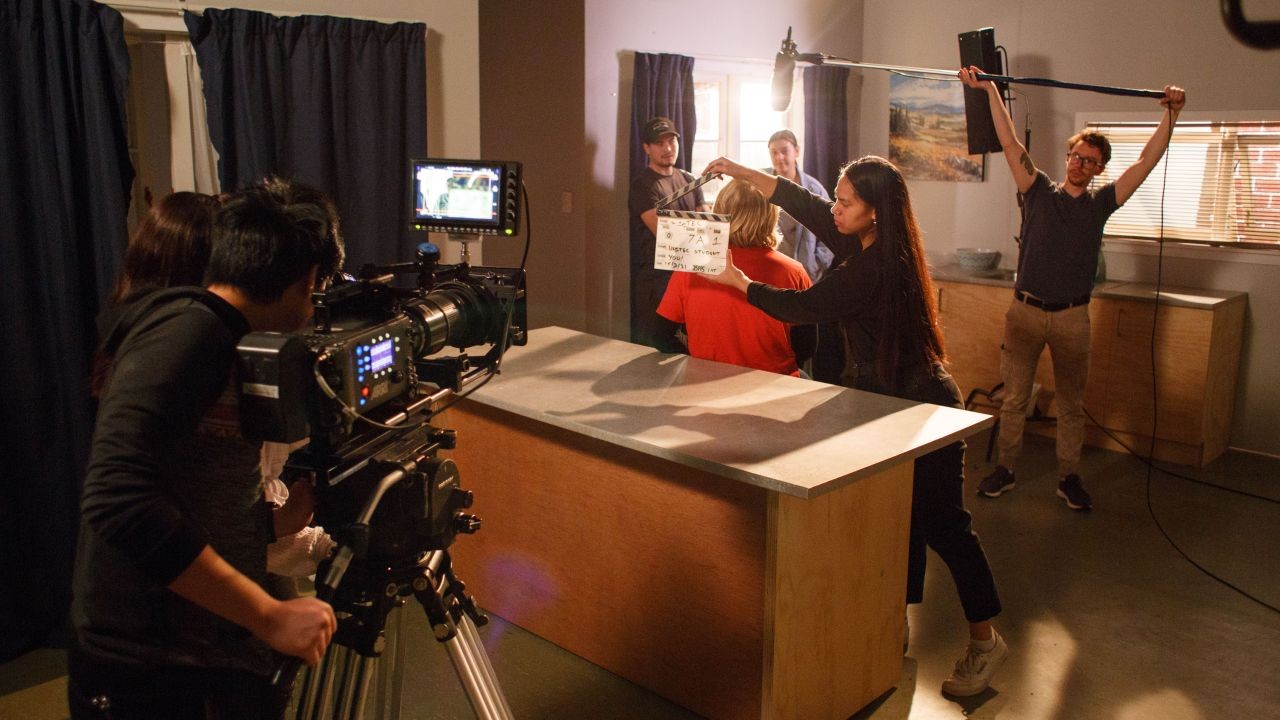
In the vibrant world of New Zealand's creative industries, leveraging effective film and video production marketing strategies can make or break a venture. As the picturesque landscapes and unique cultural narratives of New Zealand continue to captivate global audiences, creative professionals must navigate an increasingly competitive market. This article delves into marketing tips that can enhance visibility and success for Kiwi creatives in the film and video production sphere.
The Power of Narrative: A New Zealand Case Study
Meet Ella, a budding filmmaker based in Auckland, who was struggling to gain traction for her short film, "Whispers of the Forest." Despite the film's compelling storyline and breathtaking visuals, Ella found herself lost amid a sea of content. Her turning point came when she partnered with a local digital marketing agency specializing in storytelling. By crafting a narrative-driven campaign that highlighted the film's unique Kiwi heritage, Ella managed to increase her film's online views by 60% within three months.
This case underscores the importance of narrative-driven marketing. In New Zealand, where cultural storytelling is deeply valued, weaving a compelling narrative around your project can resonate with audiences and distinguish your work in a crowded marketplace.
Data-Driven Insights: Statistics that Matter
According to a 2023 report by Stats NZ, the creative industries contributed NZD 17.5 billion to the national economy, emphasizing the sector's significant role. Yet, the same report highlights a challenge: only 30% of creative professionals effectively utilize data analytics in their marketing strategies. For filmmakers and video producers in New Zealand, harnessing data insights can be a game-changer. By analyzing audience engagement metrics, creatives can tailor their content to meet viewer preferences, maximizing reach and impact.
Pros and Cons of Digital Marketing for Film & Video
✅ Pros:
- Global Reach: Digital platforms enable New Zealand creatives to showcase their work to a global audience, expanding market potential.
- Cost-Effective: Compared to traditional marketing, digital strategies often offer a higher ROI with lower upfront costs.
- Targeted Advertising: Platforms like Facebook and YouTube allow precise audience targeting, ensuring that promotional content reaches the most relevant viewers.
- Measurable Results: Analytics tools provide tangible insights into campaign performance, enabling data-driven adjustments.
- Interactive Engagement: Digital campaigns can foster audience interaction, increasing engagement and building a community around the work.
❌ Cons:
- Algorithm Changes: Platforms frequently update their algorithms, which can unpredictably impact content visibility.
- Market Saturation: The digital space is crowded, making it challenging for new content to stand out.
- Privacy Concerns: Targeted advertising raises issues about data privacy, which can deter some viewers.
- Resource Intensive: Successful digital marketing requires ongoing content creation and engagement, demanding significant time and effort.
- Technical Barriers: Not all creatives possess the technical skills required to optimize digital marketing efforts effectively.
Common Myths in Film & Video Production Marketing
Let's debunk some myths that often mislead creative professionals in New Zealand:
Myth: "You need a massive budget for effective video marketing." Reality: While a larger budget can enhance production quality, even low-budget films can achieve viral success with creative storytelling and strategic social media use.
Myth: "Only social media influencers can drive engagement." Reality: Authentic content that resonates with the audience's values can be equally, if not more, impactful than influencer endorsements.
Myth: "Traditional marketing is obsolete." Reality: While digital marketing is vital, traditional methods, such as local film festivals and community screenings, remain effective for grassroots engagement.
Future Trends in New Zealand's Creative Marketing
As we look ahead, several trends are poised to shape the future of film and video marketing in New Zealand. According to a report by the Ministry of Business, Innovation and Employment (MBIE), digital content consumption is expected to grow by 40% by 2026. This surge presents opportunities for creatives to explore virtual and augmented reality as immersive storytelling tools. Additionally, the rise of AI-driven personalization in marketing is predicted to revolutionize how content is distributed and consumed, offering tailored experiences to viewers.
Conclusion: Taking Action
New Zealand's creative professionals have a wealth of opportunities at their fingertips. By leveraging narrative-driven marketing, integrating data analytics, and staying ahead of emerging trends, filmmakers and video producers can navigate the complexities of the digital landscape. What will be your next move to elevate your creative projects? Share your strategies in the comments below and join the conversation.
People Also Ask (FAQ)
How does digital marketing impact film production in New Zealand? Digital marketing enhances visibility and audience engagement for Kiwi filmmakers, often leading to increased funding opportunities and global reach.
What are the biggest misconceptions about film marketing in New Zealand? A common myth is that only big-budget productions can succeed. However, strategic storytelling and digital marketing can level the playing field for smaller projects.
Related Search Queries
- Film production marketing strategies
- New Zealand creative industry trends
- Video marketing tips for filmmakers
- Digital marketing for video production
- New Zealand film industry growth
- Creative storytelling techniques
- Data-driven marketing insights
- AR and VR in film production
- AI in video content marketing
- Local film festivals in New Zealand
For the full context and strategies on Film & Video Production Marketing Tips for NZ Creative Professionals, see our main guide: Nz Music Audio Videos.