





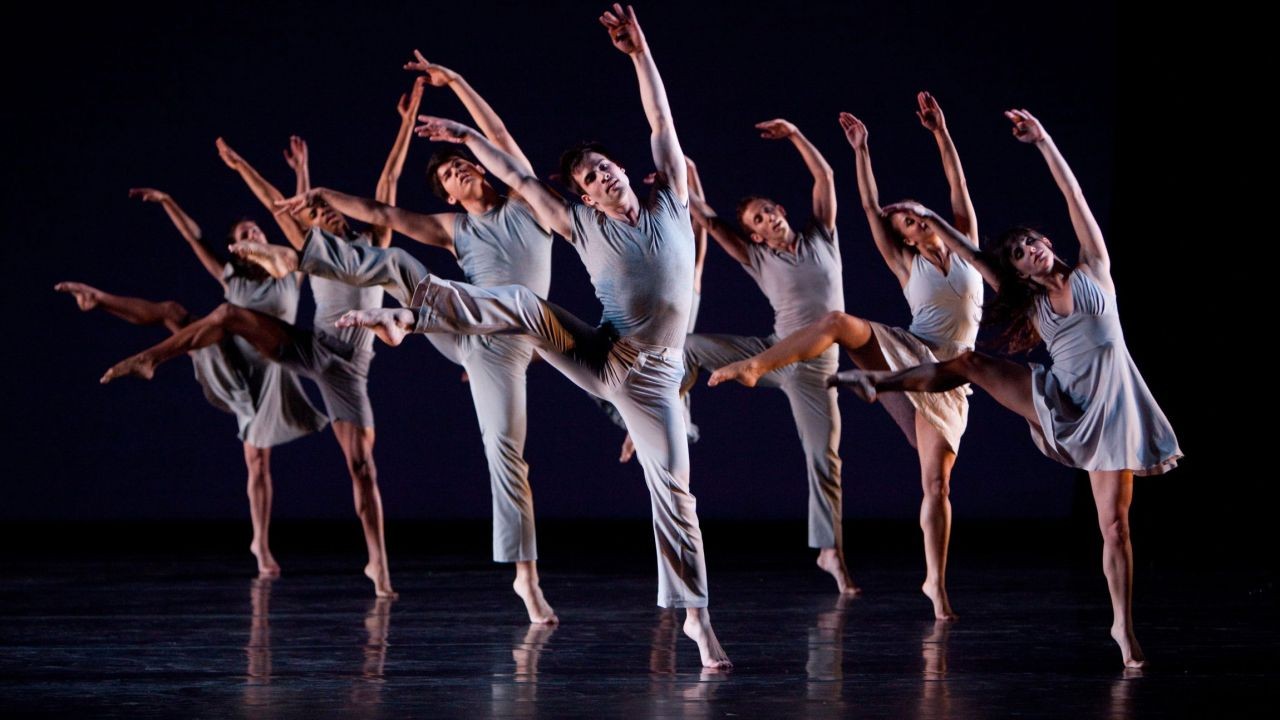
In an age where digital transformation is reshaping industries, the performing arts sector in New Zealand stands at a fascinating crossroads. With dwindling physical attendance exacerbated by global events such as the COVID-19 pandemic, performing arts organizations have increasingly turned to digital platforms to reach their audience. But how effective are these strategies? This article delves into the role of video content in enhancing ticket sales and attendance for New Zealand's performing arts, backed by compelling data and real-world case studies.
The Evolution of Performing Arts in New Zealand
The performing arts sector in New Zealand has historically relied on traditional channels for audience engagement. However, with the rise of digital media, there has been a paradigm shift. According to Stats NZ, the digital consumption of arts content increased by 45% in 2022, reflecting a significant change in how audiences access and enjoy the arts. This shift was further accelerated by the COVID-19 pandemic, which forced many organizations to pivot to online platforms to survive.
Case Study: The Auckland Theatre Company’s Digital Pivot
Problem: The Auckland Theatre Company faced declining audience numbers due to pandemic restrictions, causing a significant drop in revenue and threatening its sustainability. Traditional marketing efforts were not enough to entice audiences back into theatres.
Action: The company embraced digital transformation by producing high-quality video content of their performances. They partnered with local videographers to ensure these videos were professionally crafted, capturing the essence of live performances. They also leveraged social media platforms to distribute behind-the-scenes content, interviews, and snippets of performances.
Result: Over six months, the Auckland Theatre Company saw a 30% increase in online ticket sales and a 20% rise in physical attendance as restrictions eased. This digital strategy not only maintained their existing audience but also attracted a younger, tech-savvy demographic.
Takeaway: This case study underscores the importance of adapting to digital trends. By leveraging video content, performing arts organizations can enhance their reach and engagement, ultimately driving ticket sales and attendance.
Data-Driven Insights: The Power of Video
Video content has emerged as a potent tool for engagement. According to a report by MBIE, organizations using video marketing report a 49% faster revenue growth than those not using video. For the performing arts, video serves as a bridge between the stage and the digital world, offering audiences a taste of the live experience.
Pros and Cons of Video Marketing in Performing Arts
- Pros:
- Increased Reach: Videos can reach a global audience, expanding beyond local geographical limits.
- Higher Engagement: Visual content is more engaging, leading to higher audience retention rates.
- Cost-Effective: Initial production costs are often offset by increased ticket sales and audience growth.
- Cons:
- Production Costs: High-quality video production requires investment in equipment and expertise.
- Technological Barriers: Older audiences may face challenges in accessing digital content.
- Content Saturation: With the proliferation of video content, standing out requires creativity and innovation.
Dispelling Myths: Common Misconceptions about Video Marketing in Arts
There are several myths surrounding the use of video in the performing arts:
- Myth: "Video content is too expensive for small arts organizations."
- Reality: With advancements in technology, high-quality videos can be produced with minimal equipment and budget.
- Myth: "Videos will replace live performances."
- Reality: Videos complement live performances by serving as promotional tools that encourage live attendance.
Future Trends: The Continued Rise of Digital Content in Performing Arts
Looking ahead, the role of video in the performing arts is set to grow. As per a forecast by the Reserve Bank of NZ, the digital transformation in the arts sector will continue to accelerate, with video content being a critical component. By 2026, it's predicted that 70% of all arts organizations in New Zealand will have a comprehensive digital strategy that includes video content.
Conclusion: The Path Forward for New Zealand's Performing Arts
The integration of video content into the performing arts sector is not just a trend; it's a strategic necessity. By embracing this digital tool, organizations can not only survive but thrive in an increasingly digital world. As New Zealand's performing arts continue to adapt, the focus should remain on creating high-quality, engaging content that resonates with diverse audiences.
Call to Action: Are you involved in the performing arts sector? Consider incorporating video into your strategy to engage with audiences in innovative ways. Share your experiences and insights in the comments below!
People Also Ask (FAQ)
- How does video content impact ticket sales for performing arts in New Zealand? Video content can significantly boost ticket sales by reaching wider audiences and engaging viewers who may not typically attend live performances.
- What are the biggest misconceptions about video marketing in performing arts? One common myth is that videos are too costly for small organizations. However, affordable technologies now make video production accessible to all.
- What upcoming changes in New Zealand could affect performing arts marketing? By 2026, policy updates may encourage more digital strategies in arts marketing, as video content continues to prove its value in audience engagement.
Related Search Queries
- New Zealand performing arts video marketing
- Benefits of video content for arts organizations
- Digital transformation in performing arts NZ
- How to increase ticket sales in performing arts
- Video marketing trends in New Zealand
For the full context and strategies on How NZ Performing Arts Videos Increase Ticket Sales and Attendance, see our main guide: Nz Music Audio Videos.