





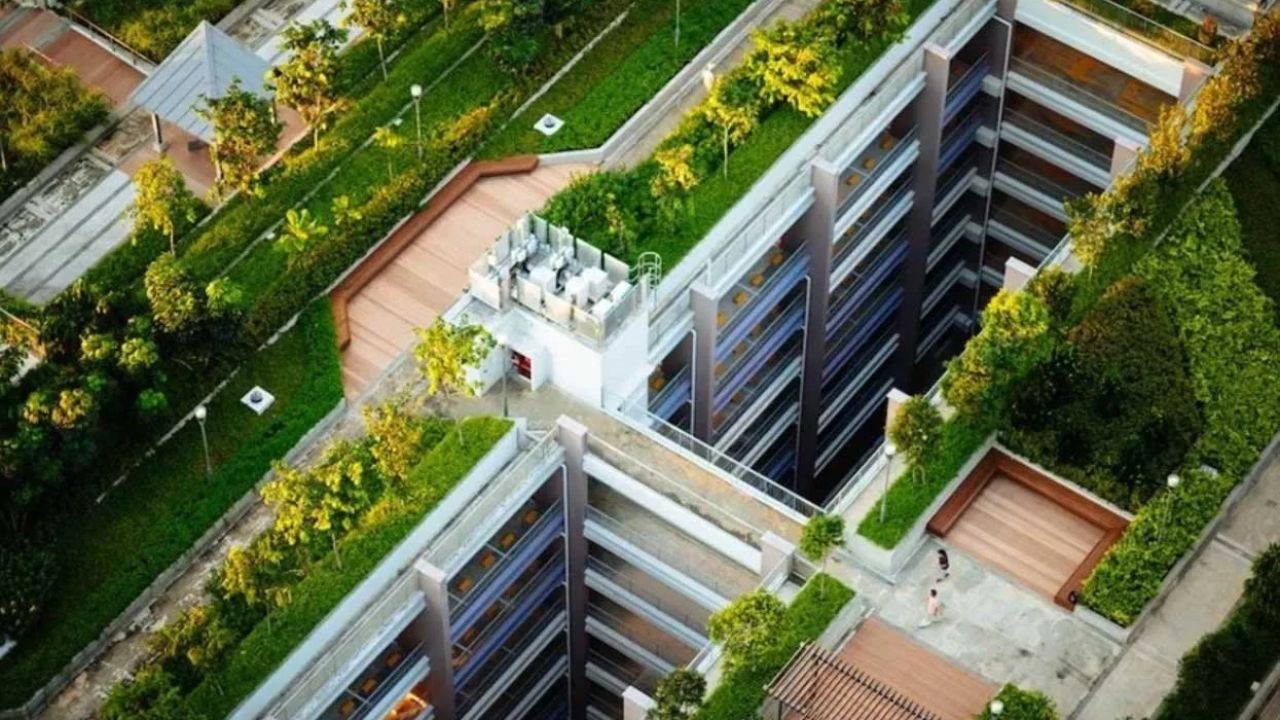
In recent years, Australia has witnessed a significant shift towards sustainable building practices, as more homeowners and builders embrace eco-friendly designs. This trend is not just about aesthetics or keeping up with global standards; it is deeply rooted in Australia's unique environmental challenges and economic opportunities. The rise of eco-friendly building videos, showcasing sustainable Australian homes, is a testament to this shift and serves as both inspiration and a practical guide for those looking to reduce their carbon footprint while enhancing property value.
The Historical Context of Sustainable Building in Australia
The concept of sustainable building in Australia isn't entirely new. As early as the 1970s, the country began exploring energy-efficient construction techniques, driven by the oil crisis and growing environmental awareness. However, it wasn't until the early 2000s, with the introduction of stricter building codes and the push from environmental groups, that sustainable building became a mainstream concept. According to the Australian Bureau of Statistics, the number of environmentally sustainable homes doubled between 2005 and 2015.
In recent years, the Australian government has introduced several initiatives to promote sustainable construction. For example, the Nationwide House Energy Rating Scheme (NatHERS) was designed to improve energy efficiency in homes, and the Green Building Council of Australia has been instrumental in setting standards for green buildings across the nation. These policies have created a fertile ground for the growth of eco-friendly building practices and the production of educational content, such as eco-friendly building videos.
Current Trends and the Role of Eco-Friendly Building Videos
The surge in eco-friendly building videos can be attributed to a combination of technological advancements and increased consumer demand for sustainable options. Video content is an engaging medium that allows for a comprehensive demonstration of sustainable building practices, making it an effective tool for education and inspiration.
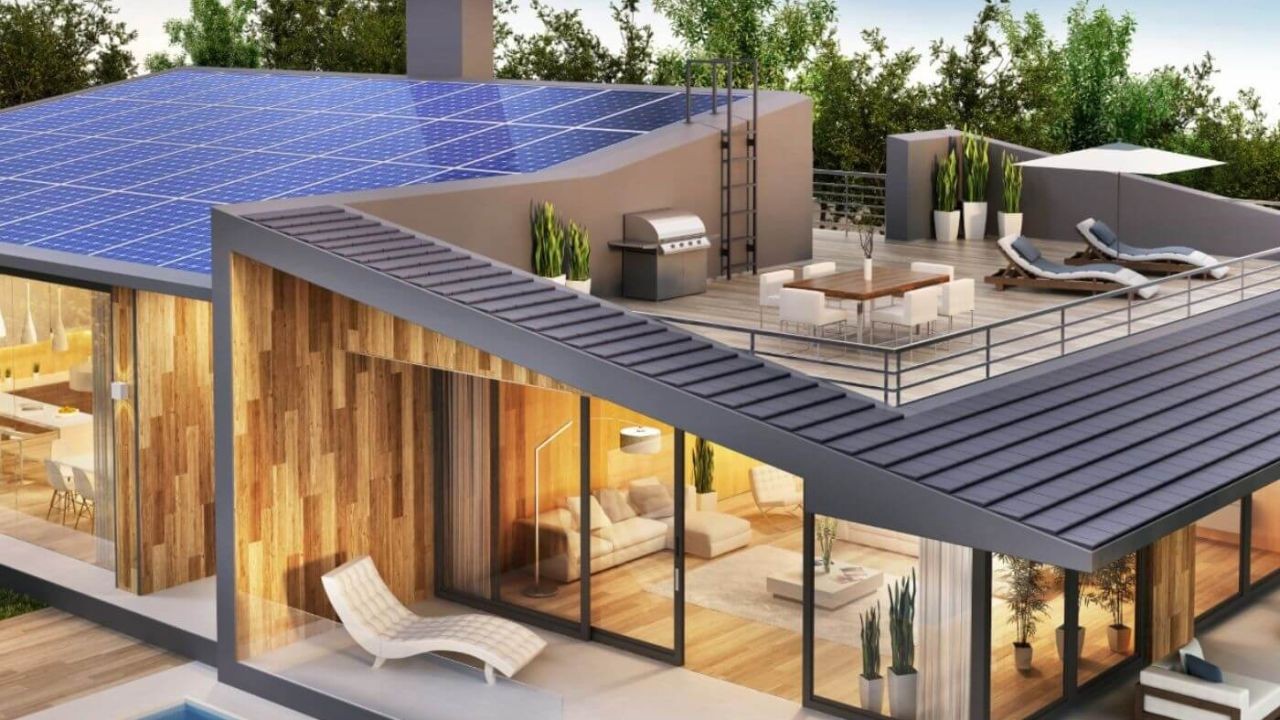
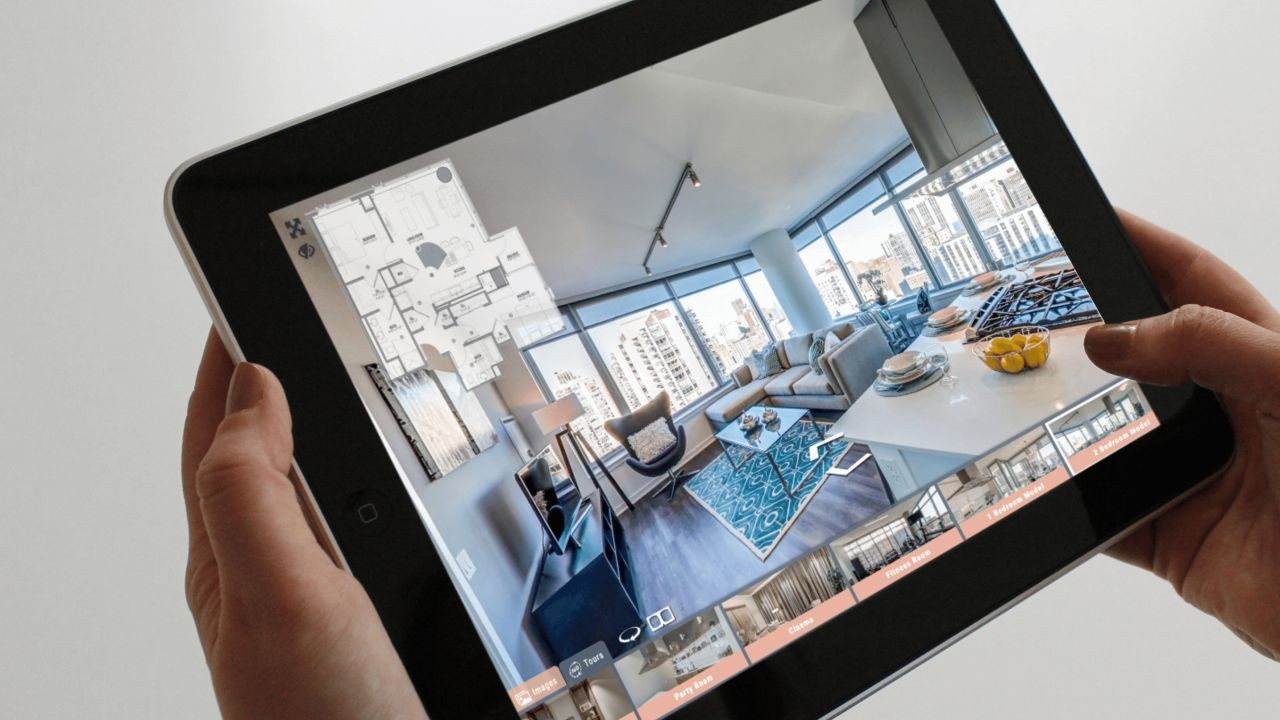
- Technological Innovation: The integration of drone footage and 3D visualization in videos provides viewers with a unique perspective on sustainable properties, showcasing features like solar panel installations, water recycling systems, and green roofs.
- Consumer Demand: As more Australians become environmentally conscious, there is a growing appetite for content that demonstrates how to incorporate sustainability into everyday living. According to a report by the Commonwealth Scientific and Industrial Research Organisation (CSIRO), 70% of Australians are willing to pay extra for eco-friendly homes.
Case Study: Earthship Ironbank, South Australia
One of the most prominent examples of sustainable building in Australia is the Earthship Ironbank in South Australia. This home, built using recycled materials and designed to be completely off-grid, serves as a model for sustainable living.
Problem:
South Australia, known for its harsh climate and resource scarcity, posed significant challenges for traditional building practices. The need for a sustainable solution was paramount to reduce environmental impact and resource consumption.
Action:
The Earthship Ironbank was constructed using a unique method of building with natural and recycled materials, including tires, bottles, and cans. The design incorporated passive solar heating, water harvesting, and natural ventilation systems.
Result:
Since its completion, the Earthship Ironbank has become a benchmark for sustainable building in Australia. It significantly reduces energy consumption, with the home generating its own electricity and water supply. This model has inspired numerous builders and homeowners across the country to adopt similar techniques.
Takeaway:
This case study demonstrates the potential for sustainable building practices to not only meet environmental goals but also enhance living standards. As Australia continues to face climate challenges, such innovative solutions will become increasingly important.
Regulatory Insights and Economic Implications
As the eco-friendly building movement gains momentum, regulatory bodies like the Australian Competition & Consumer Commission (ACCC) and the Australian Prudential Regulation Authority (APRA) play crucial roles in ensuring compliance and promoting sustainable practices. The government’s commitment to reducing carbon emissions by 26-28% below 2005 levels by 2030, as per the Paris Agreement, further bolsters the significance of sustainable building.
Economically, investing in eco-friendly homes can significantly enhance property value. A report by the Real Estate Institute of Australia highlights that homes with sustainable features can command a 10-15% price premium in the market. This trend not only benefits homeowners but also attracts investors looking for long-term value appreciation.
Common Myths and Mistakes in Sustainable Building
- Myth: Sustainable homes are too expensive to build. Reality: While initial costs can be higher, energy savings and increased property value often offset these expenses within a few years.
- Myth: Eco-friendly designs are less aesthetically pleasing. Reality: Modern sustainable architecture often incorporates innovative and attractive designs, enhancing both functionality and aesthetics.
- Myth: Sustainable homes require specialized maintenance. Reality: Eco-friendly homes are designed to be low-maintenance, with systems in place that often require less upkeep than conventional homes.
Future Trends and Predictions
Looking ahead, the role of technology in sustainable building is expected to grow. Innovations like smart home systems, AI-driven energy management, and advanced building materials will play crucial roles in shaping the future of eco-friendly construction.
By 2028, experts predict that over 50% of new homes in Australia will incorporate some form of sustainable technology, driven by both regulatory requirements and consumer demand. This shift will not only address environmental concerns but also provide economic benefits, making sustainable building a cornerstone of future residential development.
Conclusion
The rise of eco-friendly building videos highlighting sustainable Australian homes is more than a trend—it’s an essential movement towards a more sustainable future. By embracing these practices, homeowners can play a significant role in reducing environmental impact while enhancing property value. For those in the superannuation and investment sectors, understanding these trends provides a unique opportunity to align financial strategies with sustainable values.
What are your thoughts on the future of sustainable building in Australia? Join the conversation and share your insights below!
People Also Ask
- How does eco-friendly building impact the Australian economy?Eco-friendly building boosts the economy by creating jobs in sustainable industries, increasing property values, and reducing energy costs, according to CSIRO.
- What are some misconceptions about sustainable homes?A common myth is that they are too expensive. However, long-term savings and increased property value typically offset initial costs, as per the Real Estate Institute of Australia.
- Who benefits most from sustainable building practices?Homeowners, investors, and environmental advocates benefit, as sustainable homes offer energy savings, increased property value, and reduced environmental impact.
Related Search Queries
- Eco-friendly homes Australia
- Sustainable building materials Australia
- Green building regulations in Australia
- Energy-efficient home designs Australia
- Trends in sustainable architecture
- Benefits of eco-friendly homes
- Australian green building case studies
- Future of sustainable construction in Australia
- Investing in eco-friendly properties
- Impact of sustainable building on property value
For the full context and strategies on Eco-Friendly Building Videos Highlighting Sustainable Australian Homes, see our main guide: Property Development Branding Videos Australia.