




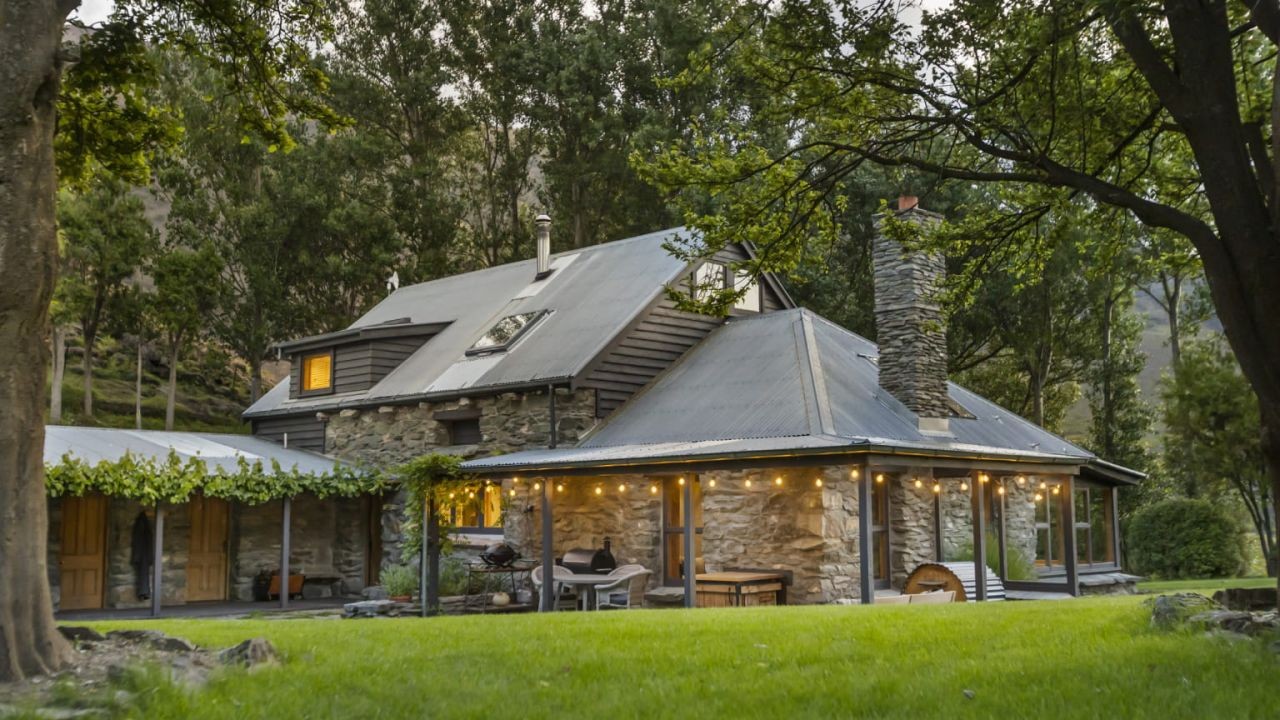
In recent years, the Australian real estate market has witnessed a significant transformation with the increasing use of video tours to showcase lifestyle properties. This trend is not merely a technological enhancement but a strategic shift that reflects the evolving preferences of both buyers and sellers. As the Australian housing market faces challenges such as affordability and fluctuating demand, video tours offer a unique solution by enhancing property visibility and buyer engagement.
How Video Tours Work: A Deep Dive
Video tours are more than just a digital walkthrough; they are a comprehensive representation of a property's lifestyle appeal. These tours typically include high-definition visuals, drone footage, and sometimes even virtual reality elements to provide potential buyers with an immersive experience. The goal is to highlight not just the physical attributes of a home but the lifestyle it offers — from the serene views of the Blue Mountains to the vibrant city life in Sydney.
A key component of video tours is their ability to transcend geographical limitations. According to the Australian Bureau of Statistics, interstate migration increased by 7.4% in 2023, highlighting a growing need for remote property viewing options. Video tours cater to this demographic by allowing potential buyers to explore properties without the need for physical travel, thus broadening the market for sellers.
Comparative Analysis: Video Tours vs. Traditional Methods
Comparing video tours with traditional property showings reveals several advantages and some limitations. Video tours offer unmatched convenience and accessibility, allowing potential buyers to view properties at any time and from anywhere. This contrasts with traditional open houses that are confined to specific times and dates, often limiting the pool of interested buyers.
However, the tactile experience of visiting a property in person cannot be entirely replaced. Physical showings allow buyers to assess the nuances of a property, such as its spatial dynamics and ambiance, aspects that are sometimes lost in video representation. Therefore, a balanced approach that combines both methods often yields the best results for sellers.
Industry Insights: The Australian Context
The adoption of video tours in Australia is influenced by several local factors. The Reserve Bank of Australia notes that the country's low-interest environment has spurred housing demand, making the market more competitive. In such a scenario, video tours help sellers differentiate their properties by showcasing unique lifestyle elements that might appeal to niche buyer segments.
Furthermore, regulatory frameworks such as those enforced by the Australian Competition & Consumer Commission (ACCC) ensure that video tour content is accurate and not misleading. This regulatory oversight is crucial in maintaining buyer trust and ensuring that the information conveyed through these videos is both reliable and comprehensive.
Case Study: Coastal Properties in Queensland
Case Study: Sunshine Coast Retreat – Overcoming Market Challenges
Problem: A luxury coastal property on the Sunshine Coast struggled to attract buyers due to its high price point and niche market appeal.
- The property faced a dwindling number of physical showings, leading to prolonged time on the market and reduced interest.
- Market analysis showed that properties in this segment typically took longer to sell due to limited buyer reach.
Action: The property owners invested in a professionally produced video tour highlighting the property's unique features, such as its proximity to pristine beaches and high-end amenities.
- The video incorporated aerial drone footage and lifestyle elements, including local attractions and community highlights.
- The marketing strategy focused on digital platforms to reach a broader audience, particularly targeting interstate and international buyers.
Result: Within two months, the property saw a significant uptick in interest, leading to multiple offers:
- Website traffic increased by 65%, with a notable rise in inquiries from potential buyers outside Queensland.
- The property sold at 8% above the asking price, achieving a faster sale compared to market averages.
Takeaway: This case study underscores the effectiveness of video tours in reaching wider audiences and enhancing property appeal. For Australian sellers, leveraging such digital tools can significantly shorten the sales cycle and maximize property value.
Pros and Cons of Video Tours
Pros:
- Increased Reach: Video tours can attract a global audience, expanding the potential buyer pool beyond local boundaries.
- Enhanced Engagement: They provide an interactive experience that captures the essence of a property, often leading to higher buyer interest.
- Cost Efficiency: By reducing the need for multiple physical showings, video tours can lower marketing expenses.
- Time-Saving: Buyers can quickly decide on a property's potential, streamlining the decision-making process.
Cons:
- Initial Investment: High-quality video production can be costly, particularly for smaller property listings.
- Technical Limitations: Not all aspects of a property can be fully captured on video, potentially leading to gaps in buyer perception.
- Potential for Misrepresentation: There is a risk of videos being edited to overly enhance property features, which can mislead buyers if not regulated properly.
Common Myths & Mistakes
Myths:
- Myth: "Video tours are only for luxury properties." Reality: While luxury listings often use video tours, they are increasingly popular for mid-range properties to differentiate in competitive markets (Source: REA Group).
- Myth: "All video tours are created equal." Reality: The quality and execution of a video tour can significantly influence its effectiveness. Professionally produced tours yield better results than amateur efforts.
- Myth: "Video tours eliminate the need for in-person visits." Reality: While they enhance the preliminary viewing process, in-person visits remain crucial for final decision-making.
Mistakes to Avoid:
- Ignoring Quality: Poorly produced videos can detract from a property's appeal. Invest in high-quality production to ensure a positive impression.
- Overlooking Regulatory Compliance: Ensure all promotional content complies with local regulations to avoid legal issues. The ACCC provides guidelines on truthful advertising practices.
- Neglecting Audience Targeting: Tailor video content to appeal to specific buyer demographics, such as families or retirees, to maximize engagement.
Future Trends & Predictions
As technology continues to evolve, the future of video tours in the Australian real estate market looks promising. By 2025, it is projected that 70% of property listings will incorporate video tours as standard practice (Source: CSIRO). This shift is driven by the growing demand for digital property solutions and the increasing sophistication of video technology, including virtual and augmented reality.
Moreover, as Australia's property market dynamics continue to change, video tours will play a vital role in addressing challenges such as affordability and accessibility. The integration of artificial intelligence to personalize and enhance video content is also on the horizon, promising even more tailored and engaging buyer experiences.
Conclusion: Final Takeaways & Call to Action
Video tours are revolutionizing the way lifestyle properties are showcased across Australia, offering both buyers and sellers a dynamic, efficient, and engaging approach to real estate transactions. By embracing this trend, sellers can enhance their reach, while buyers gain more comprehensive insights into potential properties.
As the market continues to adapt, it is crucial for stakeholders to stay informed and leverage these digital tools effectively. For real estate professionals and sellers, the time is ripe to invest in high-quality video tours to stay competitive in this evolving landscape.
Are you ready to elevate your property marketing strategy? Join our discussion on LinkedIn AU and share your experiences with video tours. Together, let's explore the future of real estate in Australia.
People Also Ask (FAQ)
- How do video tours impact real estate sales in Australia?Video tours increase property visibility and buyer engagement, resulting in faster sales and higher offers, especially for lifestyle properties.
- What are the biggest misconceptions about video tours?A common myth is that video tours are only for luxury properties. In reality, they are effective for all property types, enhancing market competitiveness.
- What are the best practices for implementing video tours?Invest in professional production, ensure regulatory compliance, and tailor content to target specific buyer demographics for optimal results.
Related Search Queries
- Benefits of video tours in real estate
- How video tours work for property sales
- Video tours for lifestyle properties
- Real estate video marketing strategies
- Future of real estate in Australia
- Video tour technology trends
- Virtual reality in property marketing
- Impact of digital tools on real estate sales
- Regulatory considerations for real estate videos
- Case studies of successful video tours
For the full context and strategies on How Video Tours Showcase Lifestyle Properties Across Australia, see our main guide: Commercial Property Videos Australia.