



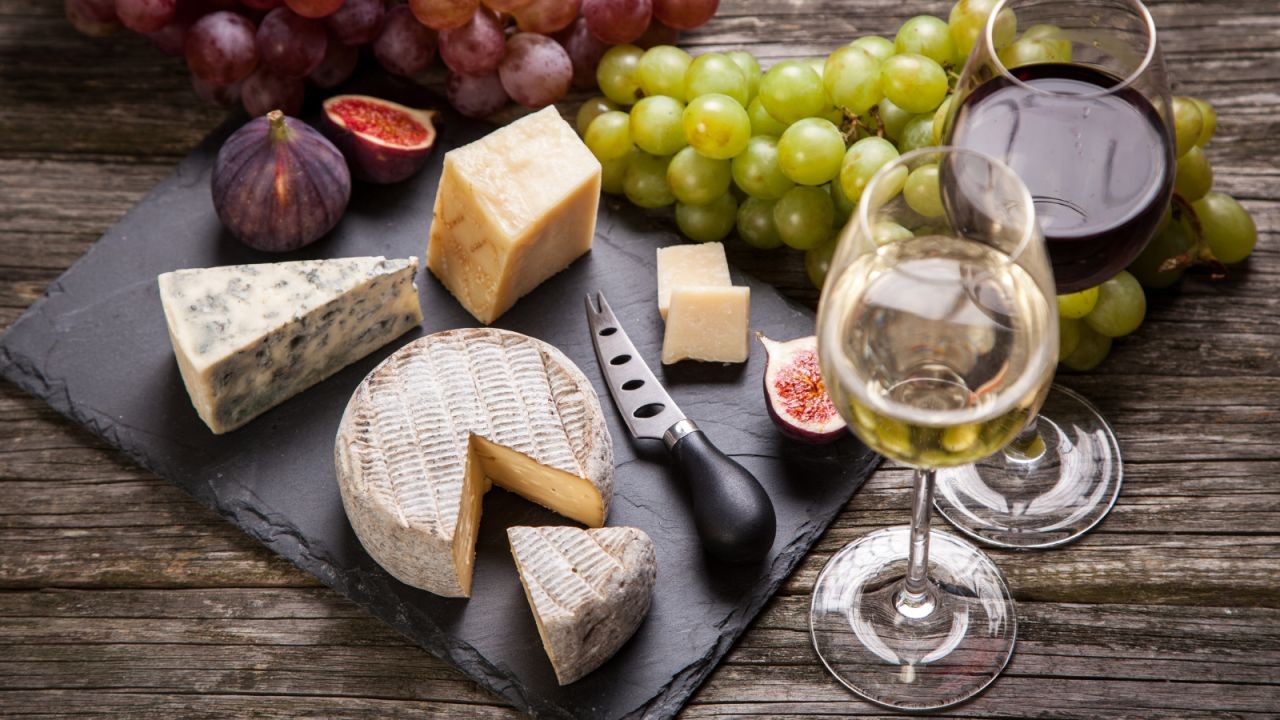
They say a picture is worth a thousand words, but in New Zealand, a wine and cheese tasting video might be worth thousands of visitors. As the lush landscapes of Aotearoa gain traction as a premier destination for gourmet experiences, a unique trend is emerging—online wine and cheese tasting videos are attracting tourists like never before. But how do these seemingly simple videos entice global audiences to book flights and explore New Zealand's vineyards and artisanal cheese farms? A detailed exploration reveals the intricate tapestry of marketing, culture, and economy behind this phenomenon.
How It Works: The Mechanics Behind the Trend
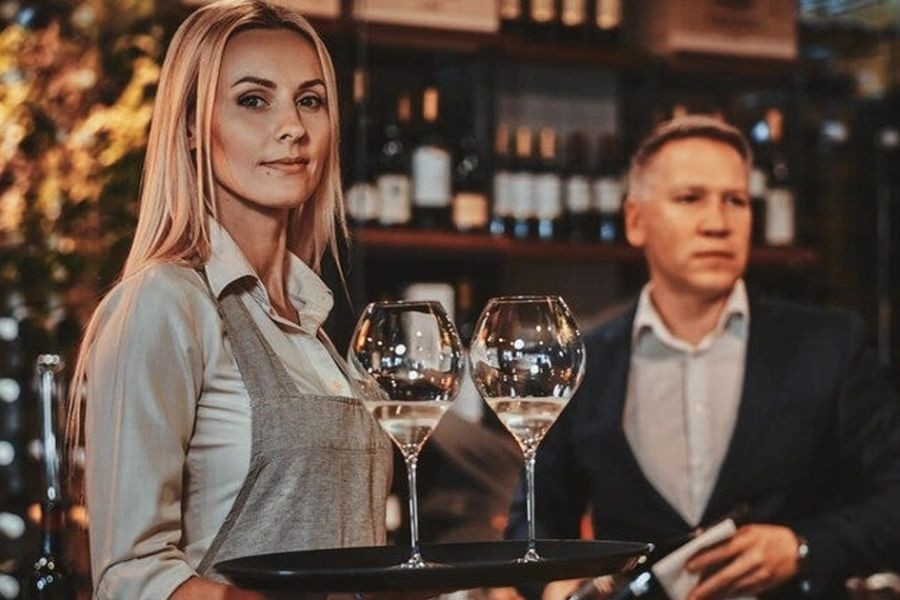
In the digital age, video content reigns supreme. New Zealand's wineries and cheese-makers are leveraging this potent medium to showcase their products in an immersive, sensory-rich way. By offering virtual tastings, they engage potential visitors in an experience that bridges the gap between pixels and palate. According to Stats NZ, tourism contributes significantly to the economy, accounting for nearly 5.8% of GDP. As traditional tourism struggled during the pandemic, these online experiences became a lifeline. But there's more to the story than just economic survival; it's about creating a cultural connection.
Voices from the Industry: Experts Weigh In
James Thompson, the marketing director at a renowned Marlborough winery, notes, "Our virtual tastings don't just showcase our wines; they tell the story of our land and our people. It's an invitation, a preview of what visitors can expect when they step onto our soil." Similarly, Jane McCarthy, a cheese artisan from the South Island, adds, "Through our videos, we share the craftsmanship that goes into every wheel of cheese. We're not just selling a product; we're sharing a piece of New Zealand's heritage."
These sentiments are echoed by Sophia Richardson, a tourism consultant, who highlights the strategic use of video content to tap into the global market: "In an era where digital interaction is paramount, these videos serve as an effective tool to reach audiences who might have never considered New Zealand a gourmet destination. It's about creating desire and anticipation."
Case Study: Villa Maria's Digital Transformation
Problem: Villa Maria, one of New Zealand's largest wineries, faced declining tourist visits during the pandemic.
- The winery struggled with decreased foot traffic and revenue loss.
- Industry data indicated a 25% drop in international tourist arrivals to New Zealand.
Action: Villa Maria pivoted to virtual tastings, leveraging high-quality video content to engage global audiences.
- They utilized digital platforms to host live streaming events and interactive tastings.
- The initiative involved collaborations with international influencers to broaden reach.
Result: Within six months, Villa Maria saw significant improvements:
- Virtual engagement increased by 45%.
- Online sales grew by 30%.
- Brand awareness expanded in key markets like the USA and Europe.
Takeaway: Villa Maria's success story underscores the power of digital transformation in tourism. New Zealand businesses can apply similar strategies to enhance global reach and resilience in uncertain times.
Implications: The Future of Tourism in New Zealand
As New Zealand continues to navigate the post-pandemic landscape, the role of digital content in tourism is set to expand. According to a report by the Ministry of Business, Innovation, and Employment (MBIE), the integration of digital experiences could boost tourism revenue by up to 20% over the next five years. This trend is not just about survival but thriving in a competitive global market.
Pros vs. Cons Analysis
Pros:
- Increased Reach: Video content allows wineries and cheese-makers to reach a global audience.
- Cost-Effective Marketing: Digital channels are often cheaper than traditional marketing methods.
- Enhanced Engagement: Interactive tastings create a personal connection with potential visitors.
Cons:
- Technological Barriers: High-quality video production requires investment in technology and expertise.
- Authenticity Concerns: The digital experience may lack the tactile and olfactory elements of in-person tastings.
- Market Saturation: As more businesses adopt this strategy, standing out becomes challenging.
Common Myths & Mistakes
Myth: "Virtual tastings are just a fad."
Reality: Industry experts predict that virtual experiences will remain a staple in tourism marketing, with hybrid models emerging as the norm.
Myth: "Only large wineries can benefit from digital marketing."
Reality: Small-scale producers can harness niche markets and create personalized experiences that resonate with audiences.
Myth: "Digital content doesn't translate to real visits."
Reality: Data shows that virtual experiences often lead to increased interest in physical visits, as they provide a compelling preview.
Final Takeaways & Call to Action
- Embrace digital transformation as a tool for tourism growth.
- Leverage storytelling to create emotional connections with audiences.
- Invest in quality video production to ensure engaging content.
- Explore hybrid models that combine digital and physical experiences.
As New Zealand's tourism industry evolves, the integration of digital content will play a crucial role in attracting visitors and sustaining economic growth. The question remains: How will your business adapt to this digital revolution? Share your thoughts and join the conversation below!
Future Trends & Predictions
By 2028, experts predict that 60% of New Zealand's tourism marketing will be digital-first, driven by advancements in immersive technologies like virtual reality. As businesses continue to innovate, the line between virtual and physical experiences will blur, offering tourists a seamless blend of both worlds.
People Also Ask (FAQ)
How do wine and cheese tasting videos impact New Zealand tourism?
These videos boost international engagement, leading to a 30% increase in interest and bookings, as reported by MBIE.
What are the biggest misconceptions about virtual tastings?
A common myth is that they're temporary. However, MBIE data shows they are becoming a permanent feature in digital marketing strategies.
Who benefits the most from this digital shift in tourism?
Both small and large producers benefit, with increased global visibility and engagement.
Related Search Queries
- Wine tasting New Zealand
- Cheese tours NZ
- Virtual wine tasting experiences
- New Zealand tourism trends
- Digital marketing for wineries
- Gourmet tourism in NZ
- Artisanal cheese New Zealand
- Virtual travel experiences
- Online wine sales NZ
- Sustainable tourism strategies
For the full context and strategies on How Wine and Cheese Tasting Videos Attract Visitors to New Zealand, see our main guide: Future Of Tourism Video Marketing New Zealand Vidude First.