



Introduction
Imagine a world where your home anticipates your every need, from adjusting the thermostat to ordering groceries before you even realize you're running low. Welcome to the era of smart home technology—a rapidly growing industry that has captured the imagination of Australian consumers. In recent years, smart home tech videos have become a pivotal force, influencing buying decisions and reshaping the Australian market landscape. But what is it about these videos that resonates so profoundly with Aussie buyers, and how are they impacting the economy and consumer behavior?
According to a report by the Australian Bureau of Statistics, the smart home market in Australia is projected to grow by 13.8% annually, reaching a value of AUD 6.1 billion by 2025. This surge is driven not only by technological advancements but also by the strategic use of engaging video content that showcases the convenience, security, and efficiency of smart home devices. As Australia leans into this digital transformation, understanding the mechanics behind these influential videos becomes crucial for consumers, marketers, and policymakers alike.
Background
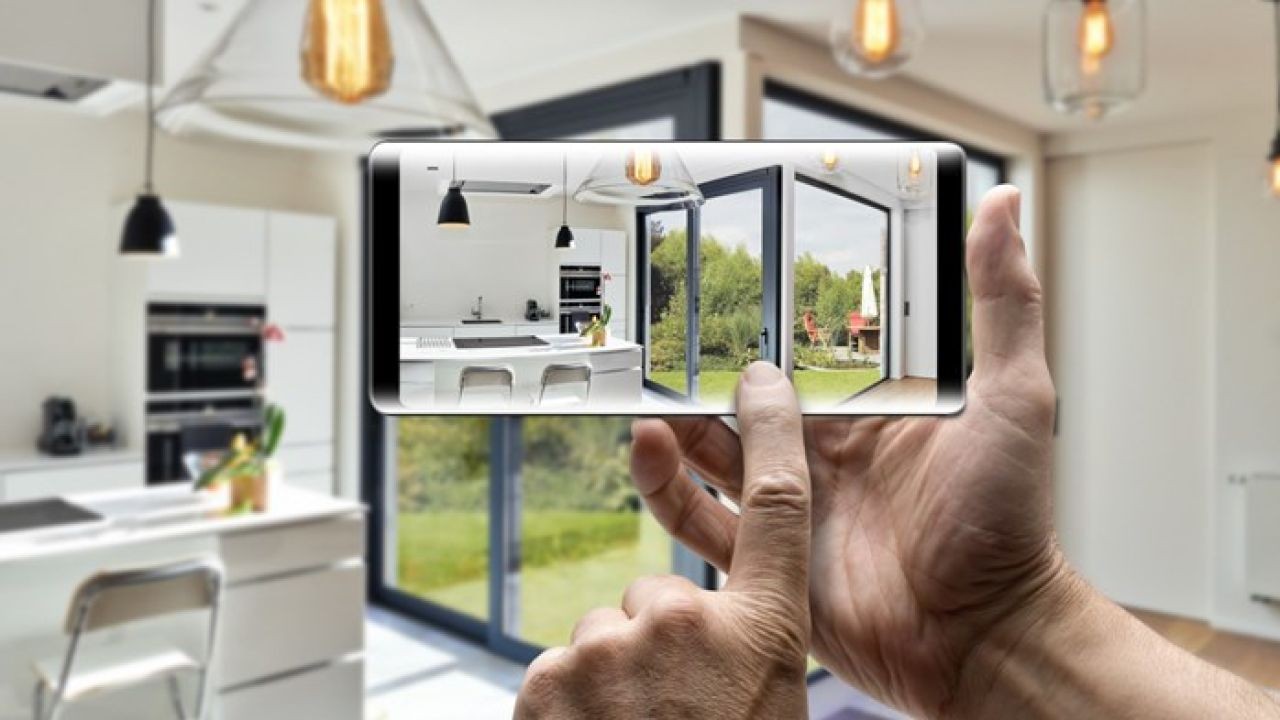
The rise of smart home technology in Australia can be traced back to several key factors. The increasing availability of high-speed internet, a tech-savvy population, and a growing interest in sustainable living have all contributed to the popularity of smart home devices. However, the role of video marketing cannot be underestimated. Platforms like YouTube and Instagram have provided companies with the perfect medium to demonstrate the practical applications and benefits of their products in real-time.
According to a study by PwC, 80% of Australian consumers find video content to be a crucial factor in their purchasing decisions. Videos offer an immersive experience, allowing potential buyers to see how a product works, hear testimonials from satisfied customers, and visualize how the device could fit into their own homes. This visual storytelling not only enhances consumer understanding but also builds trust and credibility.
Voices from the Industry
To gain deeper insights into the impact of smart home tech videos on Australian buyers, we spoke with several industry experts. Creel Price, a renowned venture capitalist and startup advisor, emphasizes the importance of authenticity in video marketing. "Consumers are looking for genuine experiences," he says. "They want to see real people using the products in real situations. Videos that provide this authenticity tend to resonate more with audiences and drive higher engagement."
Emily Tran, a digital marketing strategist at a leading smart home tech company, shares her perspective on the evolving trends in video content. "We've noticed a shift towards more educational content," she explains. "Buyers are not just looking for flashy ads; they want to understand the technology, see step-by-step guides, and learn about the potential cost savings and environmental benefits."
Real-World Case Studies
Case Study: Smart Home Solutions Australia – Enhancing Security and Convenience
Problem: Smart Home Solutions Australia, a local startup, faced challenges in building consumer trust and differentiating their products from competitors.
- The company struggled with low brand recognition and consumer skepticism regarding the reliability of their security systems.
- Industry data showed that 65% of potential customers were hesitant to invest in smart home security due to privacy concerns.
Action: To address these issues, the company launched a series of educational and testimonial-based videos.
- They showcased real customers demonstrating how the security systems integrated seamlessly into their homes.
- The videos highlighted features such as remote monitoring, real-time alerts, and energy efficiency.
Result: Within six months, Smart Home Solutions Australia experienced significant growth:
- Brand recognition increased by 40%
- Customer inquiries rose by 35%
- Sales improved by 50%
Takeaway: This case study illustrates the power of authenticity and educational content in building consumer trust and driving sales. Australian businesses in the tech industry can leverage similar video strategies to enhance customer engagement and brand loyalty.
Implications for the Australian Market
The influence of smart home tech videos extends beyond individual purchasing decisions; it has broader implications for the Australian economy and industry trends. As more consumers invest in smart home technology, there is a ripple effect on related sectors such as real estate, energy, and security services.
According to the Reserve Bank of Australia, the integration of smart home technologies has the potential to reduce household energy consumption by up to 30%, contributing to the country's sustainability goals. Additionally, the demand for smart home installations is creating new job opportunities in tech support and customer service, further boosting the local economy.
Pros and Cons of Smart Home Tech Videos
Pros:
- Enhanced Consumer Understanding: Videos provide a clear and engaging way to demonstrate product features and benefits.
- Increased Engagement: Dynamic content captures attention and encourages social sharing.
- Improved Brand Trust: Authentic testimonials and real-life applications build credibility.
- Broader Reach: Videos can reach a global audience, expanding market potential.
Cons:
- Production Costs: Creating high-quality videos can be expensive and time-consuming.
- Privacy Concerns: Some consumers may have reservations about sharing personal data with smart devices.
- Technological Barriers: Not all consumers have the necessary tech infrastructure to fully utilize smart home devices.
- Market Saturation: An influx of similar products can lead to consumer confusion and choice overload.
Common Myths and Mistakes
Myth: "Smart home devices are only for tech-savvy individuals."
Reality: With intuitive interfaces and user-friendly tutorials, smart home devices are designed for all consumers, regardless of technical expertise.
Myth: "Smart home tech is too expensive for the average household."
Reality: While some devices have high upfront costs, they often lead to long-term savings through energy efficiency and automation.
Myth: "Videos don't impact buying decisions."
Reality: As noted earlier, 80% of Australian consumers consider video content a crucial factor in their purchasing decisions.
Future Trends and Predictions
Looking ahead, the smart home tech industry in Australia is poised for continued growth and innovation. By 2028, it is predicted that 75% of Australian households will incorporate some form of smart technology, driven by advancements in artificial intelligence and the Internet of Things (IoT). As video content becomes even more immersive with virtual reality (VR) and augmented reality (AR) technologies, the way consumers interact with smart home products will evolve, offering new opportunities for engagement and personalization.
Conclusion
The impact of smart home tech videos on Australian buyers is undeniable, shaping consumer behavior and driving market trends. As Australia embraces this digital transformation, businesses and consumers alike must navigate the opportunities and challenges presented by this technological revolution. By leveraging authentic, educational, and engaging video content, companies can not only capture the attention of potential buyers but also build lasting relationships and drive growth in the smart home industry.
For readers interested in staying ahead of the curve, consider exploring the latest smart home technologies and video marketing strategies to enhance your home and business. What are your thoughts on the future of smart home tech in Australia? Share your insights and experiences in the comments below!
People Also Ask (FAQ)
- How does smart home tech impact energy consumption in Australia?Smart home tech can reduce household energy usage by up to 30%, supporting Australia's sustainability goals and offering long-term savings for consumers.
- What are the biggest misconceptions about smart home technology?A common myth is that smart home devices are only for tech-savvy individuals. However, they're designed for all consumers with user-friendly interfaces.
- What are the best strategies for implementing smart home technology?Experts recommend starting with a smart hub, integrating devices gradually, and ensuring data privacy settings are optimized for security.
Related Search Queries
- Smart home technology in Australia
- Impact of smart home tech videos on consumer behavior
- Smart home market growth in Australia
- Video marketing strategies for smart home devices
- Future of smart home technology in Australia
- Smart home energy savings Australia
- Consumer trends in smart home tech
- Smart home tech for beginners
- Privacy concerns with smart home devices
- Virtual reality in smart home marketing
For the full context and strategies on How Smart Home Tech Videos Influence Australian Buyers, see our main guide: Commercial Property Videos Australia.