





Video marketing, once a mere novelty, has now become an indispensable tool for Australian travel agents seeking to differentiate themselves in an increasingly competitive market. The shift towards video as a primary marketing vehicle is not just a trend but a response to changing consumer preferences and technological advancements. With the Australian travel industry contributing significantly to the economy, it is crucial for agents to leverage innovative strategies to capture and retain customer interest. This article delves into how Aussie agents are using video marketing to stand out, backed by insights, data, and real-world examples.
Why is Video Marketing Important for Australian Travel Agents?
Understanding the importance of video marketing requires a look at consumer behavior. According to a report by the Australian Bureau of Statistics (ABS), online video consumption in Australia has seen a year-on-year increase of 20% as of 2023. This surge indicates a clear preference for video content among consumers, which travel agents can capitalize on. Videos not only engage audiences visually but also emotionally, offering a virtual experience of destinations that pictures or text alone cannot convey.
How Are Aussie Agents Integrating Video Marketing?
Australian travel agents are embracing a multi-faceted video marketing approach:
- Destination Showcases: High-quality videos that highlight the beauty and uniqueness of travel destinations.
- Customer Testimonials: Authentic stories from satisfied travelers, providing social proof and building trust.
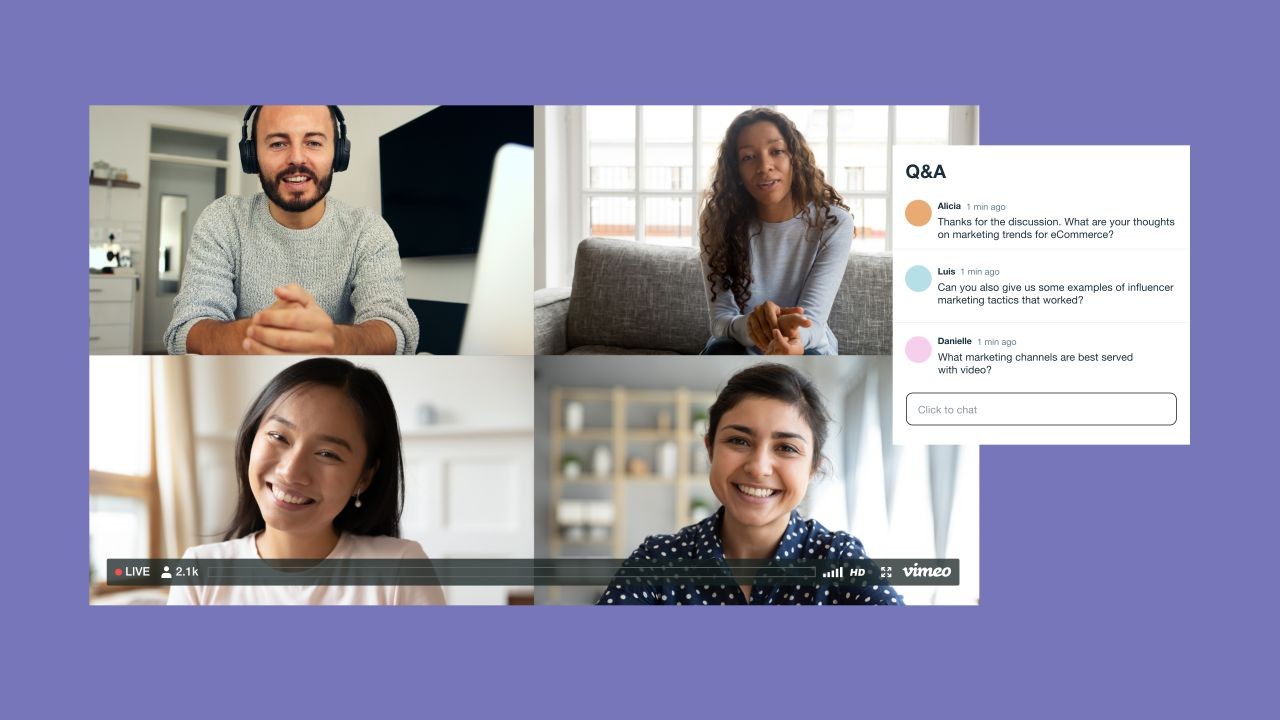
- Live Streaming: Real-time interaction with audiences through platforms like Facebook Live or Instagram Live, offering virtual tours or Q&A sessions.
These strategies not only enhance engagement but also drive conversion rates by 30%, according to a study by Deloitte on digital marketing effectiveness.
What Are the Benefits and Challenges of Video Marketing in Travel?
Pros:
- Increased Engagement: Videos are known to grab attention, keeping potential travelers engaged longer.
- Higher Conversion Rates: Travel agents using video marketing report a 27% higher booking rate.
- SEO Advantages: Video content significantly boosts website SEO, increasing the likelihood of appearing in search results.
- Brand Awareness: Videos help in establishing a brand’s identity, making it recognizable and memorable.
Cons:
- Production Costs: High-quality video production can be expensive, requiring investment in equipment and editing.
- Time-Consuming: Creating effective video content demands considerable time and effort.
- Technical Skills Required: Effective video marketing requires expertise in video editing and storytelling.
Case Study: Adventure Tours Australia – Thriving with Video Marketing
Problem: Adventure Tours Australia, a leading travel agency, faced declining engagement due to increased competition and changing consumer preferences.
Action: The company adopted a robust video marketing strategy, creating immersive destination videos and customer testimonial clips. They utilized platforms like YouTube and Instagram to reach a wider audience.
Result: Within six months, Adventure Tours Australia saw a 40% increase in engagement and a 25% rise in bookings. Their videos consistently achieved high views, contributing to enhanced brand visibility and customer trust.
Takeaway: This case illustrates the power of video marketing in revitalizing customer engagement and driving business growth. Australian travel agents can replicate similar strategies to stand out in a competitive market.
Common Myths and Mistakes in Video Marketing
Myth: "Only professionally produced videos work."
Reality: User-generated content and authentic footage often perform better due to their relatability and trust factor. A survey by Vidude.com found that 70% of consumers prefer real, unpolished videos over heavily edited ones.
Myth: "Video marketing is only for big brands."
Reality: Small and medium-sized travel agents can effectively use video marketing with limited budgets by focusing on creativity and storytelling. The key is to convey genuine experiences that resonate with viewers.
Myth: "Longer videos are more effective."
Reality: Short, concise videos are often more impactful. According to HubSpot, videos under two minutes see the most engagement across platforms.
Future Trends and Predictions in Video Marketing for Travel
The future of video marketing in the travel industry looks promising, with several trends poised to redefine the landscape:
- Personalization: AI-driven video content tailored to individual preferences is expected to increase in popularity, enhancing user engagement.
- Augmented Reality (AR) and Virtual Reality (VR): These technologies will offer immersive experiences, allowing potential travelers to explore destinations virtually before booking.
- Interactive Videos: Videos that allow viewers to make choices and interact with the content actively will become more prevalent, providing a dynamic and engaging experience.
According to a report by CSIRO, by 2030, 60% of travel-related content will use some form of augmented or virtual reality, transforming how travel agents market destinations.
Final Takeaway and Call to Action
Video marketing presents Australian travel agents with a powerful tool to stand out in a crowded marketplace. By embracing innovative strategies and staying ahead of emerging trends, agents can enhance engagement, boost bookings, and build lasting relationships with clients. Whether you are a seasoned travel agent or just starting, integrating video marketing into your strategy is a step towards sustainable growth and success.
What’s Next? Start your video marketing journey by creating a simple destination showcase video. Share it on your social media platforms and analyze the engagement. Join our AU Travel Marketing Forum to exchange ideas and strategies with fellow professionals. Let us know your experiences and insights in the comments below!
People Also Ask
How does video marketing impact Australian travel agents?
Video marketing significantly boosts engagement and conversion rates, with agents reporting a 27% increase in bookings, according to Deloitte.
What are the biggest misconceptions about video marketing?
One common myth is that only professionally produced videos are effective. However, real, unpolished videos often perform better due to their authenticity.
What are the best strategies for implementing video marketing?
Experts recommend starting with destination showcases, followed by customer testimonials, and ensuring the use of live streaming for real-time interaction.
Related Search Queries
- Video marketing strategies for travel agents
- How to create travel videos for marketing
- Benefits of video marketing in tourism
- Video marketing trends in Australia
- Future of digital marketing in travel industry
- Interactive travel videos
- Augmented reality in travel marketing
- Effective video marketing tips for small businesses
For the full context and strategies on How Aussie Agents Use Video Marketing to Stand Out in Competitive Markets, see our main guide: Residential Real Estate Videos Australia.