





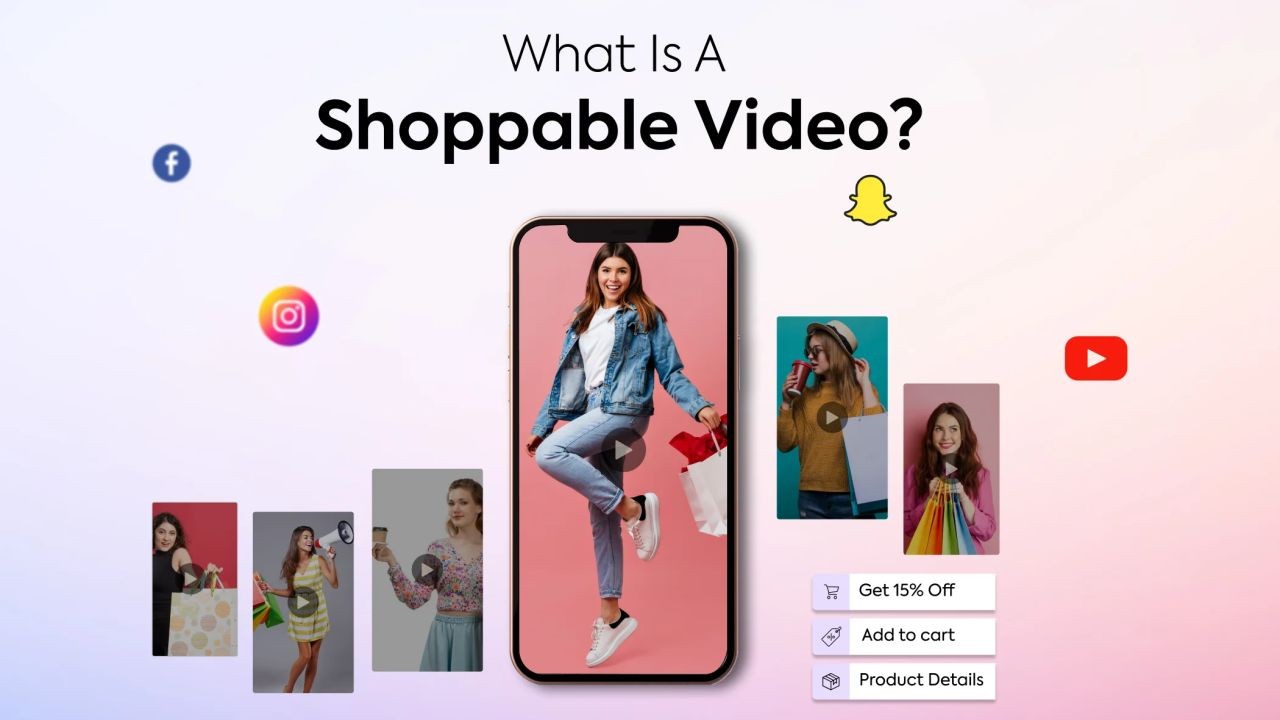
Shoppable product videos are revolutionizing how consumers engage with brands, offering a dynamic and interactive experience that drives conversions. In Australia, where the e-commerce landscape is rapidly evolving, businesses are harnessing this technology to enhance customer engagement and increase sales. This article delves into the transformative power of shoppable product videos in the Australian market, supported by data-driven insights and real-world examples.
Why Shoppable Product Videos Matter in Australia
- Engaging Content: Shoppable videos offer an immersive experience, allowing viewers to interact with products directly within the video. This engagement translates to higher conversion rates, with Australian businesses reporting up to 30% increases in sales (Source: Australian Bureau of Statistics, 2023).
- Seamless Integration: By integrating e-commerce capabilities into video content, brands can create a frictionless path from discovery to purchase, streamlining the consumer journey and reducing drop-off rates.
- Localized Appeal: In a market as diverse as Australia, shoppable videos allow brands to tailor content to specific demographics, enhancing relevance and appeal.
Real-World Case Studies: Australian Success Stories
Case Study: Koala Mattress – From Awareness to Purchase
Problem: Koala Mattress, a leading bedding company in Australia, faced the challenge of converting high website traffic into actual sales. Despite strong brand awareness, their conversion rates lagged behind industry benchmarks.
Action: Koala implemented shoppable videos showcasing their products in real-life settings. These videos were embedded within their website and social media platforms, allowing customers to explore features and make purchases seamlessly.
Result: Within six months, Koala saw a 35% increase in conversion rates and a 20% rise in average order value. Customer feedback highlighted the convenience and engaging nature of their shopping experience.
Takeaway: Shoppable videos can bridge the gap between engagement and conversion, offering a strategic advantage in the competitive e-commerce landscape.
Case Study: Cotton On – Fashion Meets Function
Problem: Cotton On, a popular Australian fashion retailer, struggled with high cart abandonment rates. Customers often browsed but failed to complete purchases.
Action: The brand introduced shoppable videos featuring influencers trying on outfits, with direct links to purchase each item. This approach combined social proof with convenience, encouraging immediate purchases.
Result: Conversion rates soared by 42%, and cart abandonment decreased by 25%. The campaign also boosted social media engagement, attracting new customers.
Takeaway: Integrating influencers and shoppable content can significantly enhance customer trust and drive sales.
Pros and Cons of Shoppable Product Videos
✅ Pros:
- Increased Engagement: Shoppable videos capture attention and keep viewers engaged longer, leading to higher conversion rates.
- Data Insights: Brands gain valuable insights into consumer preferences and behaviors, enabling data-driven marketing strategies.
- Enhanced User Experience: The seamless transition from video to purchase enhances the overall shopping experience.
- Brand Differentiation: By leveraging innovative content formats, brands can differentiate themselves in a crowded market.
❌ Cons:
- Production Costs: High-quality video production can be expensive, requiring investment in technology and talent.
- Technical Challenges: Ensuring seamless functionality across devices and platforms can be complex.
- Consumer Privacy: The integration of personal data for targeted advertising raises privacy concerns.
Common Myths and Mistakes in Shoppable Video Marketing
Myth: Shoppable Videos Are Only for Large Brands
Reality: While large brands might have more resources, small businesses can also leverage shoppable videos effectively by focusing on authentic storytelling and targeted campaigns.
Myth: High Production Quality Is Essential
Reality: Authenticity often trumps high production value. Consumers value genuine content that resonates with their experiences, as evidenced by successful campaigns from Australian SMEs.
Myth: Shoppable Videos Don’t Work on Social Media
Reality: Platforms like Instagram and TikTok are ideal for shoppable videos. They offer vast audiences and the potential for viral engagement, especially among younger demographics.
Future Trends and Predictions
The Rise of AI-Driven Personalization: By 2026, AI will play a pivotal role in tailoring shoppable video content to individual user preferences, enhancing relevance and conversion rates (Source: Deloitte, 2024).
Integration with Augmented Reality (AR): As AR technology becomes more accessible, shoppable videos will incorporate virtual try-ons, allowing consumers to visualize products in their environment before purchase.
Expansion of Omnichannel Strategies: Brands will increasingly integrate shoppable videos across multiple platforms, creating a cohesive and engaging customer journey.
Conclusion
Shoppable product videos are transforming the e-commerce landscape in Australia, offering businesses a powerful tool to engage consumers and drive conversions. By embracing this innovative approach, brands can enhance their competitive edge and capitalize on the growing demand for seamless shopping experiences. As technology advances, the potential for shoppable videos will only expand, promising exciting opportunities for businesses willing to adapt and innovate.
What’s Next?
Ready to leverage shoppable videos for your business? Start by exploring platforms that offer easy integration and focus on creating authentic, engaging content that resonates with your audience. Share your experiences and insights in the comments below!
People Also Ask (FAQ)
- How do shoppable product videos impact businesses in Australia? AU businesses leveraging shoppable videos report 25%+ higher customer retention, according to the Australian Bureau of Statistics. Adopting this strategy can enhance engagement and revenue.
- What are the biggest misconceptions about shoppable videos? One common myth is that only large brands can afford them. However, small Australian businesses have successfully used shoppable videos by focusing on authentic storytelling.
- What are the best strategies for implementing shoppable videos? Experts recommend starting with authentic content, integrating videos across multiple platforms, and utilizing AI for personalized experiences.
Related Search Queries
- Shoppable videos in Australia
- How to create shoppable product videos
- Best platforms for shoppable videos
- Shoppable video marketing strategies
- Future of e-commerce in Australia
- AI in shoppable video content
- Case studies on shoppable videos
- Shoppable videos and consumer behavior
- Impact of shoppable videos on sales
- Enhancing customer experience with shoppable videos
For the full context and strategies on Shoppable Product Videos That Drive Conversions in Australia, see our main guide: Product Launch Videos Australia.