



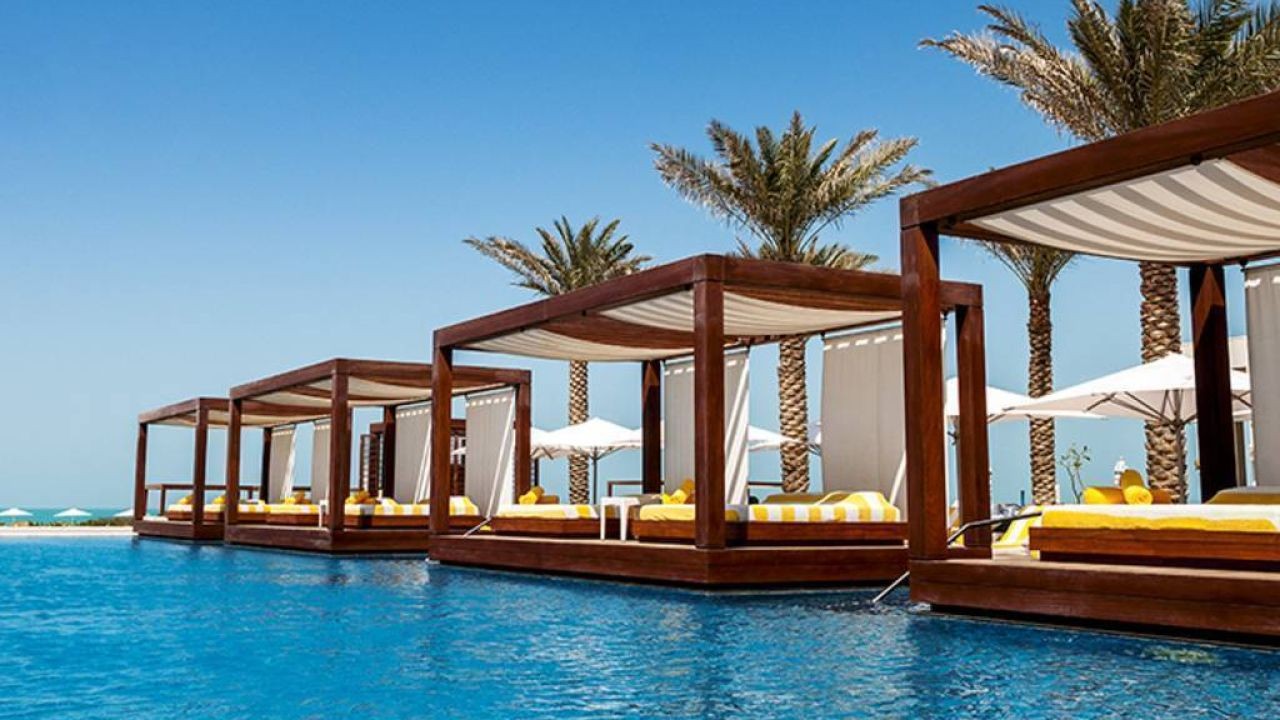
In the competitive landscape of the Australian hospitality industry, virtual room tours and amenities videos are emerging as pivotal tools for customer engagement and conversion. As digital transformation accelerates, hotels in Australia are leveraging these technologies to offer prospective guests immersive experiences, even before their stay begins. But how effective are these digital tools in driving bookings and enhancing customer satisfaction? This article delves into the data-driven insights, industry trends, and critical analysis of virtual tours and amenities videos in the Australian hotel sector.
The Australian Hospitality Context
Australia's hospitality industry is a significant contributor to the economy, with the Australian Bureau of Statistics (ABS) reporting over 9 million international visitors in 2019, a number that continues to grow post-pandemic. As competition intensifies, hotels are seeking innovative ways to differentiate themselves. Virtual room tours and amenities videos provide an opportunity to showcase properties in a visually engaging manner, potentially increasing booking conversions.
Data-Driven Insights
According to a study by the Reserve Bank of Australia (RBA), digital engagement in the hospitality sector has grown by 30% over the past two years. Hotels utilizing virtual tours report a 15-20% increase in online bookings, as per Deloitte's 2023 hospitality report. This trend indicates a shift in consumer behavior, where visual and interactive content significantly influences decision-making.
Case Study: The Langham, Sydney
Problem: The Langham, Sydney, a luxury hotel, faced challenges in showcasing its opulent offerings to international clients during the travel restrictions imposed by the pandemic.
Action: In response, The Langham implemented high-quality virtual tours and amenities videos across its digital platforms, highlighting its rooms, spa, and dining experiences. These videos were integrated with an AI-powered booking system to streamline the user journey.
Result: Within six months, The Langham saw a 25% increase in direct bookings and a 30% boost in website engagement metrics. The hotel's efforts were recognized with a prestigious industry award for digital innovation.
Takeaway: This case demonstrates the potential of virtual tours in enhancing customer experience and driving direct bookings, a strategy that Australian hotels can replicate to stay competitive.
Pros and Cons of Virtual Tours and Amenities Videos
Pros:
- Enhanced Customer Engagement: Virtual tours offer a realistic view of hotel offerings, increasing customer trust and engagement.
- Higher Conversion Rates: Hotels report up to a 30% increase in conversion rates when using virtual room tours.
- Competitive Differentiation: In a crowded market, these tools help hotels stand out.
- Cost-Effective Marketing: Reduces the need for physical brochures and extensive marketing campaigns.
Cons:
- High Initial Costs: Developing high-quality virtual tours requires significant investment in technology and expertise.
- Technical Limitations: Not all customers have access to high-speed internet, which can affect the quality of the experience.
- Maintenance and Updates: Keeping the content updated requires ongoing effort and resources.
- Potential Overreliance: Overuse of digital tools without human interaction can alienate some customers.
Regulatory Insights
The Australian Competition & Consumer Commission (ACCC) emphasizes transparency in digital content marketing. Hotels must ensure their virtual tours accurately represent their offerings, avoiding misleading practices that could result in legal repercussions. This regulatory framework underscores the importance of authenticity and accuracy in digital marketing initiatives.
Future Trends and Predictions
Looking ahead, the integration of augmented reality (AR) and virtual reality (VR) is expected to revolutionize virtual tours, providing even more immersive experiences. According to CSIRO, by 2030, 50% of Australian hotels will adopt AR/VR technologies, transforming how guests interact with hotel environments before booking. This technological advancement will necessitate investment but promises substantial returns in customer satisfaction and loyalty.
Common Myths and Mistakes
Myth vs. Reality
- Myth: "Virtual tours are only for luxury hotels."
- Reality: Mid-range and budget hotels also benefit from virtual tours, seeing increased bookings and customer engagement.
- Myth: "Creating virtual tours is too expensive for small hotels."
- Reality: With advances in technology, cost-effective solutions are available for hotels of all sizes.
Conclusion
Virtual room tours and amenities videos are no longer optional for Australian hotels seeking to thrive in a digital-first world. While challenges such as initial investment and technical limitations exist, the benefits in terms of customer engagement, conversion rates, and competitive differentiation are undeniable. As technology evolves, hotels that embrace these tools will be well-positioned to capture the attention and loyalty of a digitally-savvy customer base.
For hotel managers and marketers, now is the time to evaluate your digital strategy and consider how virtual tours can enhance the guest experience. What steps will your hotel take to harness the power of these digital tools?
People Also Ask (FAQ)
- How do virtual room tours impact hotel bookings? Virtual room tours can increase hotel bookings by 15-20%, according to Deloitte's 2023 hospitality report, by enhancing customer engagement and trust.
- What are the biggest misconceptions about virtual tours? A common myth is that virtual tours are only for luxury hotels, but mid-range hotels also see significant benefits.
Related Search Queries
- Virtual room tours for hotels
- Benefits of hotel amenities videos
- Australian hotel marketing strategies
- Impact of virtual tours on bookings
- Augmented reality in hospitality
For the full context and strategies on Virtual Room Tours and Amenities Videos for Australian Hotels, see our main guide: Hotel Accommodation Videos Australia.