






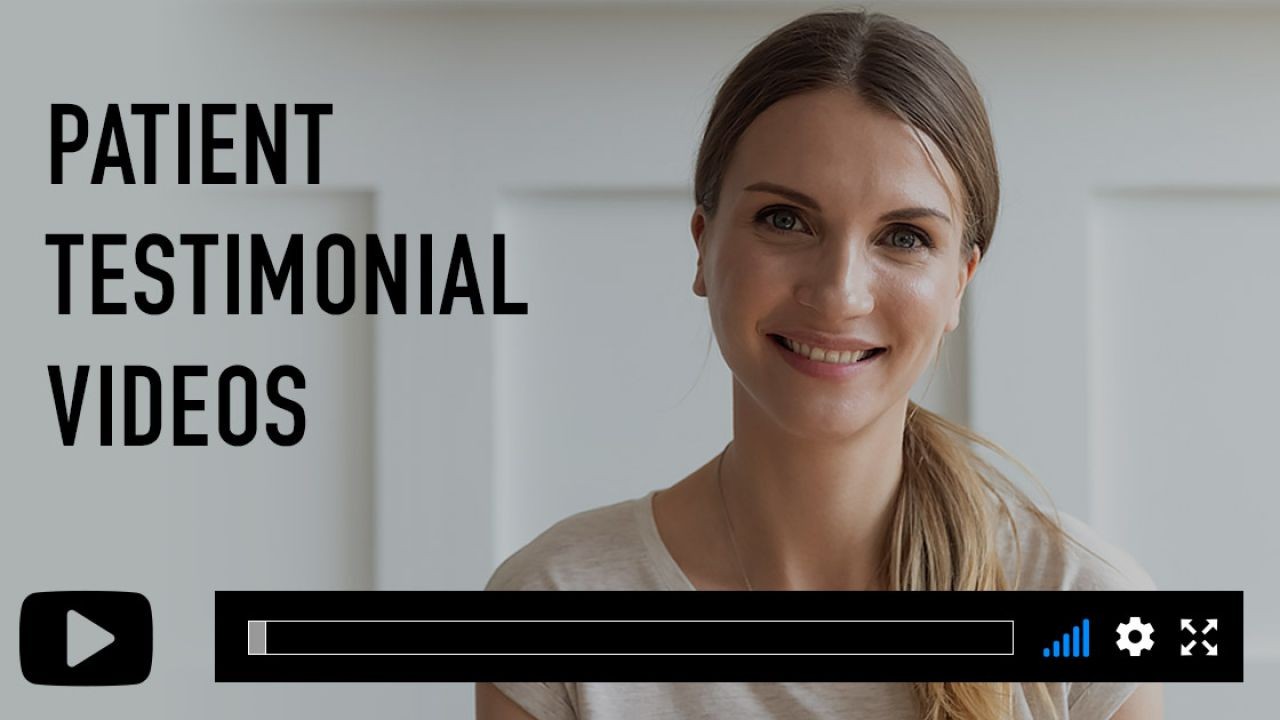
Patient testimonial videos have emerged as a compelling medium for highlighting mental health success stories in Australia. With mental health issues affecting nearly 20% of the Australian population annually, according to the Australian Bureau of Statistics (ABS), these videos play a crucial role in destigmatizing mental health and encouraging individuals to seek help. This article delves into the growing trend of using patient testimonial videos, examining their impact, challenges, and potential for influencing mental health awareness and treatment in Australia.
The Power of Patient Testimonial Videos
Patient testimonial videos offer a unique blend of authenticity and relatability, providing real-life accounts of individuals who have navigated mental health challenges. These videos can be instrumental in breaking down barriers, promoting empathy, and fostering a more informed and supportive community.
Impact on Mental Health Awareness
- Increased Engagement: Video content is highly engaging, with studies indicating that viewers retain 95% of a message when watching a video compared to 10% when reading text.
- Emotional Connection: Testimonial videos create a personal connection, allowing viewers to see and hear firsthand experiences.
- Wider Reach: With the rise of social media platforms, these videos can reach a broader audience, spreading awareness more effectively.
Case Study: Beyond Blue
Problem: Beyond Blue, a leading Australian mental health organization, aimed to reduce the stigma associated with anxiety and depression.
Action: They launched a campaign featuring patient testimonials across various digital platforms, highlighting personal stories of recovery and resilience.
Result: The campaign led to a 30% increase in website visits and a 25% rise in helpline calls, showcasing the effectiveness of testimonial videos in driving engagement and help-seeking behavior.
Takeaway: Patient testimonials can significantly enhance mental health campaigns by providing relatable, real-world examples of recovery and support.
Pros and Cons of Patient Testimonial Videos
Pros
- Authenticity: Genuine stories resonate more with audiences, building trust and credibility.
- Empowerment: Sharing personal stories can empower both the storyteller and viewers, fostering a community of support.
- Cost-Effective: Producing videos is relatively affordable compared to traditional advertising, making it accessible for small organizations.
Cons
- Privacy Concerns: Participants may feel vulnerable sharing their personal stories publicly, necessitating strong privacy and consent measures.
- Sensitivity: Misrepresentation or oversimplification of mental health issues can occur if not handled with care.
- Viewing Fatigue: Overexposure to similar content may lead to reduced impact over time.
Trends in the Australian Context
Australia's mental health sector has seen significant shifts, driven by policy changes and technological advancements. The National Mental Health Strategy emphasizes the importance of community-based care and digital health solutions, aligning well with the proliferation of patient testimonial videos.
Policy and Economic Insights
According to the Australian Treasury, mental health issues cost the economy an estimated AUD 60 billion annually, underscoring the economic imperative of effective mental health interventions. Furthermore, the Australian Government's commitment to increasing mental health funding by AUD 2.3 billion over the next four years highlights the sector's prioritization.
Case Study: Headspace
Problem: Headspace, a national youth mental health foundation, sought to engage young Australians in mental health conversations.
Action: They produced a series of testimonial videos featuring young people sharing their mental health journeys, distributed via social media and educational platforms.
Result: The initiative resulted in a 40% increase in youth engagement and a 50% rise in service inquiries, illustrating the effectiveness of targeted video content.
Takeaway: Tailoring content to specific demographics can enhance the impact of mental health campaigns.
Myths and Mistakes in Mental Health Messaging
Common Myths
- Myth: Only severe cases should seek help.
- Reality: Early intervention in mild to moderate cases can prevent escalation to severe conditions.
- Myth: Medication is the only solution.
- Reality: A combination of therapy, lifestyle changes, and, if necessary, medication often yields the best results.
Biggest Mistakes to Avoid
- Ignoring Diversity: Neglecting diverse voices can lead to a lack of representation and inclusivity. Solution: Ensure a wide range of stories are shared.
- Lack of Follow-Up: Failing to provide resources or support after sharing testimonials can leave viewers without guidance. Solution: Include clear calls to action and resources.
- Overemphasis on Positivity: While success stories are important, acknowledging ongoing struggles is crucial for authenticity. Solution: Balance stories of success with narratives of resilience in the face of challenges.
Future of Patient Testimonial Videos in Australia
The future of patient testimonial videos in Australia looks promising, with several emerging trends poised to enhance their impact:
Technological Integration
- Virtual Reality (VR): Immersive experiences can deepen understanding and empathy, offering new ways to experience testimonial narratives.
- AI-Driven Personalization: AI can tailor content to individual viewer preferences, increasing engagement and relevance.
Policy Developments
With the Australian Government's focus on mental health reform, including the establishment of a permanent telehealth service, patient testimonial videos are likely to become an integral part of mental health education and outreach efforts.
Conclusion
Patient testimonial videos offer a powerful tool for enhancing mental health awareness and support in Australia. By sharing authentic stories, these videos foster empathy, reduce stigma, and encourage help-seeking behavior. As technology and policy evolve, the potential for these videos to impact mental health outcomes will continue to grow. What strategies have worked for your organization in leveraging patient testimonial videos? Share your insights below!
People Also Ask
- How do patient testimonial videos impact mental health awareness in Australia? These videos increase engagement and empathy, encouraging viewers to seek help and understand mental health issues better.
- What are the common misconceptions about mental health in Australia? A prevalent myth is that only severe cases require help, while research shows early intervention is crucial for all levels of mental health issues.
- What is the future of patient testimonial videos in mental health? Technological advancements like VR and AI-driven personalization will enhance their impact, making these videos more immersive and relevant to viewers.
Related Search Queries
- Mental health success stories Australia
- Patient testimonial videos mental health
- Impact of mental health videos in Australia
- Australian mental health awareness campaigns
- Telehealth mental health services Australia
- Virtual reality mental health applications
- AI in mental health awareness
- Overcoming mental health stigma in Australia
- Diversity in mental health storytelling
- Future of mental health outreach in Australia
For the full context and strategies on Patient Testimonial Videos Highlighting Mental Health Success in AU, see our main guide: Australian Healthcare Wellness.

























Alliance Trafikskole
4 months ago