





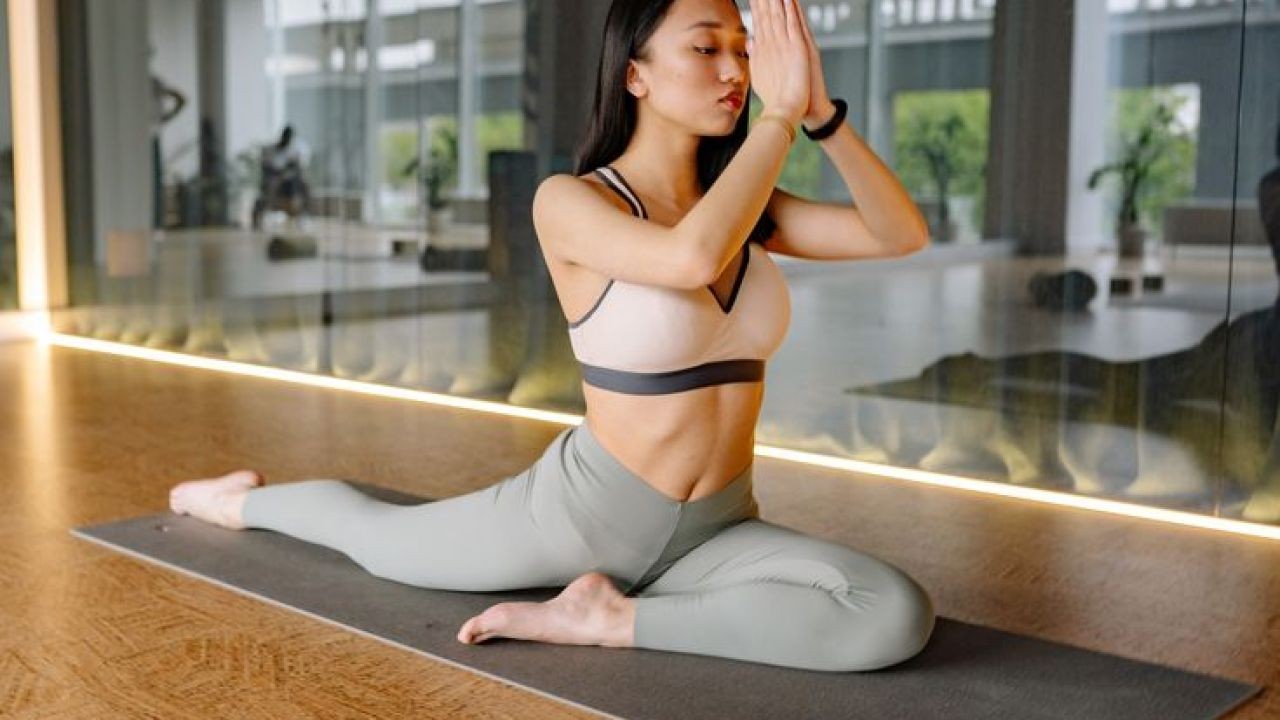
The transformative power of video marketing, especially within the health and wellness sector, has been nothing short of revolutionary. Over the past decade, the surge in digital content consumption has shaped the way businesses interact with customers. In Australia, yoga and Pilates studios are harnessing this trend to not only survive but thrive. As we delve into the intricate tapestry of video marketing within these niches, we uncover a rich history of adaptation and innovation, leading us to the current landscape and future predictions.
The Rise of Video Marketing in Australia
Historically, the advent of video marketing can be traced back to the early 2000s, with the proliferation of high-speed internet and the widespread adoption of social media platforms. Yoga and Pilates studios, traditionally reliant on word-of-mouth, began exploring video as a medium to showcase their unique offerings. This shift was catalyzed by Australia's robust digital infrastructure, as reported by the Australian Bureau of Statistics (ABS), which indicates that over 90% of the population had internet access by 2020.
Amid this digital transformation, studios began leveraging platforms like YouTube and Instagram to reach wider audiences. According to a 2024 report by Deloitte, Australian businesses that incorporated video content witnessed a 49% increase in customer engagement. This trend is particularly significant in the wellness sector, where visual demonstration of techniques and environments plays a crucial role.
Case Study: Yoga Australia’s Digital Leap
Problem: Yoga Australia, a leading wellness community, faced dwindling class attendance and engagement due to increased competition and the rise of at-home fitness apps.
Action: The organization implemented a comprehensive video marketing strategy, launching a series of online classes and tutorials. They partnered with digital influencers and leveraged targeted social media ads to reach potential clients.
Result: Within six months, Yoga Australia saw a 35% increase in online subscriptions and a 20% rise in physical class attendance. Their video content not only boosted brand visibility but also fostered a sense of community among practitioners.
Takeaway: This case exemplifies the power of video marketing in enhancing customer engagement and expanding reach. For Australian businesses, embracing digital transformation is not just beneficial; it's essential for survival and growth.
The Pros and Cons of Video Marketing for Wellness Studios
As with any strategy, video marketing comes with its set of advantages and challenges. Understanding these can help studios make informed decisions.
Pros:
- Increased Engagement: Videos are more engaging than text, with studies showing that consumers spend 88% more time on websites with video content.
- Broader Reach: Platforms like YouTube and Instagram allow studios to reach a global audience, beyond their local clientele.
- Visual Appeal: Demonstrating techniques and ambiance through video can attract more customers, especially in visual-centric industries like yoga and Pilates.
- Boosted Credibility: Professional videos can enhance a brand’s credibility and trustworthiness.
- SEO Benefits: Videos increase the likelihood of appearing in search results, driving more traffic to a studio's website.
Cons:
- High Production Costs: Quality video production can be expensive, requiring investment in equipment and professional services.
- Time-Consuming: Creating and editing video content demands significant time and effort.
- Platform Dependency: Relying heavily on third-party platforms can be risky if algorithms change or platforms decline in popularity.
- Over-Saturation: With the rise of video content, standing out from the crowd becomes increasingly challenging.
- Privacy Concerns: Filming inside studios may raise privacy issues for clients.
Common Myths About Video Marketing
Despite its popularity, several misconceptions persist about video marketing, particularly within the wellness sector in Australia.
- Myth: "Video marketing is only effective for large businesses." Reality: Small and medium-sized enterprises (SMEs) can also benefit significantly from video content, with many reporting higher engagement rates compared to larger corporations.
- Myth: "Professional equipment is necessary for quality videos." Reality: While high-quality equipment can enhance production value, modern smartphones and affordable editing software can produce professional-looking videos.
- Myth: "Video content is irrelevant for older demographics." Reality: Statistics from the RBA reveal that seniors are becoming increasingly tech-savvy, engaging more with online content than ever before.
Future Trends in Video Marketing for Wellness Studios
As technology continues to evolve, so too will the strategies surrounding video marketing. Here are some trends poised to shape the future:
- Live Streaming: Real-time engagement through live classes and Q&A sessions will become more prevalent, offering a personal touch to digital interactions.
- Augmented Reality (AR): Studios may incorporate AR to create immersive experiences, allowing clients to visualize classes in their own environment.
- Personalization: Tailored video content based on individual preferences will enhance user experience and retention.
- Sustainability Storytelling: Highlighting eco-friendly practices through video can resonate with environmentally conscious consumers, a growing demographic in Australia.
Case Study: Pilates on Demand – Leading the Charge in Innovation
Problem: Faced with increasing demand for digital content, Pilates on Demand needed a way to differentiate themselves in a saturated market.
Action: They introduced a series of virtual reality classes, allowing users to engage in immersive workouts from home. The strategy also included personalized video recommendations based on user behavior.
Result: The initiative resulted in a 50% increase in subscriptions and a marked improvement in customer satisfaction, as reported in user feedback surveys.
Takeaway: By embracing cutting-edge technology, Pilates on Demand not only expanded their user base but also enhanced the overall consumer experience.
Conclusion
The journey of video marketing in Australia's yoga and Pilates sectors is a testament to the power of adaptation and innovation. As studios continue to explore digital avenues, the potential for growth remains limitless. By embracing trends like live streaming and personalized content, businesses can ensure they remain at the forefront of the industry.
What’s your take on the future of video marketing in the wellness sector? Share your insights below, and stay tuned for more updates on digital trends shaping Australia’s business landscape!
People Also Ask
- How does video marketing impact businesses in Australia? AU businesses leveraging video marketing report higher customer retention and engagement, according to the ABS.
- What are the biggest misconceptions about video marketing? A common myth is that video marketing is only effective for large businesses, but SMEs also benefit significantly.
- What are the best strategies for implementing video marketing? Experts recommend starting with engaging content creation, followed by platform optimization, and ensuring audience targeting for long-term success.
Related Search Queries
- Video marketing strategies for wellness businesses
- Impact of digital marketing on yoga studios
- Future trends in video marketing Australia
- Benefits of video content for Pilates studios
- How to create engaging video content for wellness
- Top video marketing platforms for small businesses
- Leveraging social media for yoga studio growth
For the full context and strategies on Video Marketing for Yoga & Pilates Studios Across Australia, see our main guide: Mental Health Video Marketing Australia.