





For many KiwiSaver members, the Official Cash Rate (OCR) announcement from the Reserve Bank of New Zealand feels like distant economic noise, relevant only to mortgage holders and financial news junkies. This perception is a critical and costly misunderstanding. The OCR is not a spectator sport for retirement savers; it is the primary conductor of the financial orchestra in which your KiwiSaver fund performs. Every adjustment sends ripples through interest rates, asset valuations, and economic growth, directly impacting the long-term value of your retirement nest egg. Understanding this mechanism is not academic—it is essential for making informed decisions about your fund choice and retirement trajectory.
The OCR, set by the Reserve Bank of New Zealand (RBNZ), is the benchmark interest rate that affects borrowing costs, mortgage rates, and returns on cash and fixed-income investments. Changes to the OCR ripple across the economy, influencing inflation, consumer behaviour, and the broader financial landscape. For KiwiSaver members, these shifts can have subtle but significant implications for fund growth, risk allocation, and retirement timelines.
What the OCR is and why it matters
The OCR is the primary tool the RBNZ uses to control monetary policy. By raising or lowering the OCR, the central bank can either cool an overheated economy or stimulate growth.
When the OCR rises, interest rates on savings accounts and term deposits generally increase, while borrowing costs for mortgages and loans also climb. Conversely, when the OCR falls, borrowing becomes cheaper, but returns on cash-based investments diminish.
For KiwiSaver members, this matters because many funds—especially conservative or balanced options—hold a mix of cash, bonds, and equities. The performance of the cash and fixed-income components is directly tied to the OCR. A lower OCR reduces the interest earned on conservative allocations, potentially slowing overall fund growth, whereas a higher OCR can improve returns on low-risk investments but may depress share market performance as borrowing costs rise for businesses.
How the OCR influences KiwiSaver fund performance
KiwiSaver funds typically fall into categories: conservative, balanced, and growth. Each reacts differently to OCR changes:
Conservative funds: Often heavily weighted toward cash and government or corporate bonds. A higher OCR can increase returns from interest-bearing assets, but these funds may underperform equity-heavy counterparts in bullish markets.
Balanced funds: Include both fixed-income assets and equities. OCR changes impact both sides—higher interest rates can bolster bond returns but may dampen share market growth.
Growth funds: Primarily invested in equities. While OCR shifts influence the economy broadly, these funds are less immediately affected by interest rate changes but are sensitive to market sentiment driven by OCR-driven economic conditions.
In practice, OCR adjustments subtly reshape the risk-return profile of KiwiSaver portfolios. Members who fail to consider these dynamics may misjudge the balance between growth potential and security, particularly in volatile economic periods.
Contribution strategies and the OCR
The OCR also affects individual KiwiSaver contributions indirectly through its impact on household finances. For example:
Mortgage repayments: Many Kiwis carry variable-rate mortgages. When the OCR rises, mortgage interest payments increase, potentially limiting the ability to make additional KiwiSaver contributions.
Disposable income: Changes in OCR can influence employment costs and consumer prices. Higher rates may slow economic activity, affecting wages or employment security, while lower rates can stimulate spending power.
Understanding this relationship allows members to adjust contribution strategies, potentially increasing contributions during periods of lower OCR to take advantage of compounding growth or reassessing risk allocations when borrowing costs climb.
Timing and long-term retirement planning
Long-term retirement outcomes hinge on compounding returns, and small OCR-driven differences can accumulate over decades. While KiwiSaver is designed for long-term growth rather than short-term speculation, members who monitor OCR trends and align contributions and fund selections accordingly may enhance their retirement readiness.
For instance, younger contributors with decades before retirement may tolerate higher equity exposure despite OCR volatility, focusing on long-term growth. Conversely, those approaching retirement may benefit from adjusting allocations toward more conservative assets, particularly if a rising OCR makes fixed-income returns more attractive.
Common misconceptions about OCR and KiwiSaver
A frequent misconception is that the OCR only affects borrowers, not savers. In reality, it shapes both sides of the household financial equation, influencing investment returns, loan repayments, and disposable income. Another misunderstanding is that OCR shifts immediately dictate fund performance; while rates influence returns, the effect is gradual and intertwined with market sentiment, inflation expectations, and global economic trends.
Moreover, KiwiSaver is inherently long-term. Short-term OCR fluctuations should not prompt impulsive fund changes but rather informed, measured adjustments based on age, risk tolerance, and retirement horizon.
Practical steps for KiwiSaver members
KiwiSaver members can make more informed decisions by:
Monitoring OCR announcements from the RBNZ and understanding potential implications for interest rates, bonds, and cash returns.
Reviewing fund allocations periodically to ensure they align with personal risk tolerance and retirement timelines.
Considering additional contributions when discretionary income allows, particularly during periods of lower OCR, to maximise compounding benefits.
Consulting financial advisors familiar with New Zealand’s retirement system, tax implications, and market dynamics.
These strategies help members navigate macroeconomic fluctuations without overreacting to temporary shifts in interest rates.
The OCR Demystified: The Reserve Bank's Primary Lever
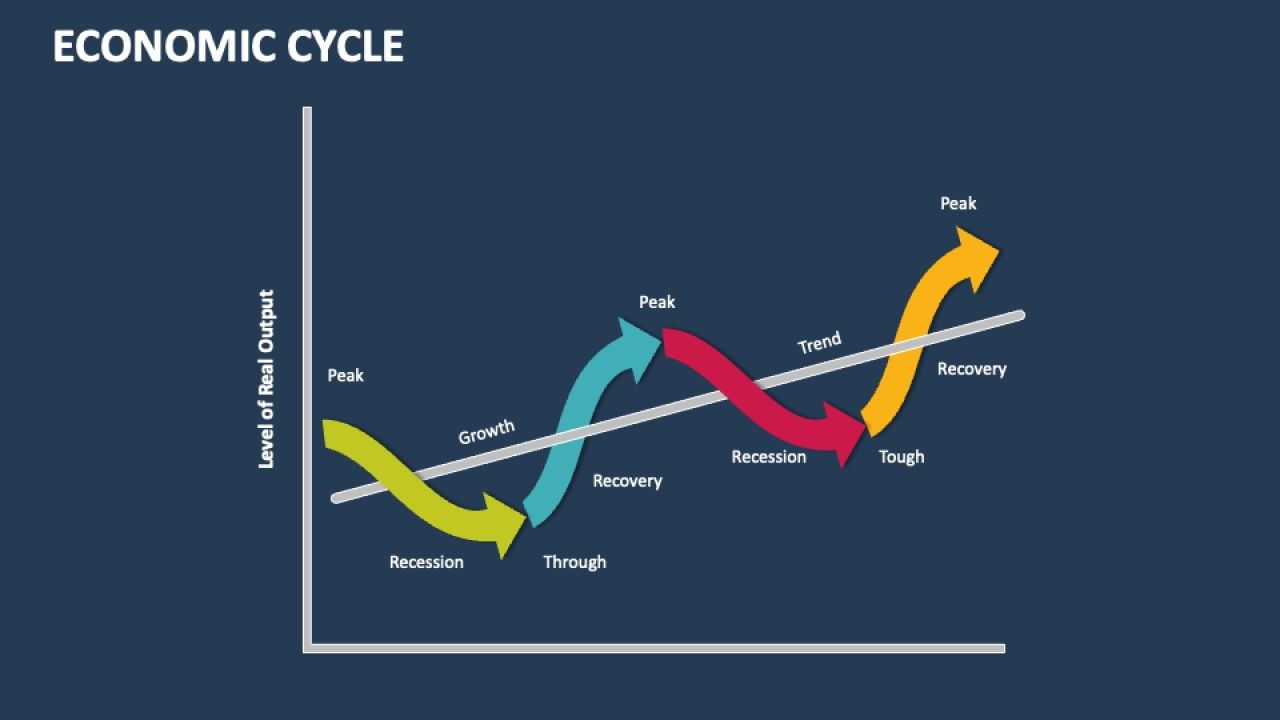
The Official Cash Rate is the interest rate set by the Reserve Bank of New Zealand (RBNZ). It is the rate at which banks can borrow and lend overnight funds to each other. While this sounds technical, its purpose is straightforward: to manage inflation and stabilize the economy. When inflation is high, the RBNZ typically raises the OCR to cool spending and investment. When economic growth stalls, it cuts the OCR to stimulate activity.
The transmission mechanism is powerful:
- Interest Rates: A higher OCR flows through to higher interest rates on mortgages, term deposits, and business loans.
- Currency Value: Higher rates often increase demand for the NZ dollar, affecting exporters and importers.
- Consumer & Business Sentiment: The cost and availability of credit directly influence spending, hiring, and investment decisions across the economy.
From consulting with local businesses in New Zealand, I've observed that the most astute leaders treat OCR forecasts as a key variable in their strategic planning. A manufacturing client, for instance, delayed a major capital expenditure round in late 2022 anticipating the aggressive OCR hike cycle, preserving cash flow that proved vital in 2023. This macro-awareness is equally crucial for individual investors.
Immediate Action for KiwiSaver Members
Do not wait for the news headline. Proactively check the RBNZ’s Monetary Policy Statement calendar. The eight annual announcements are your cue to review your KiwiSaver fund’s performance and asset allocation. A change in the OCR direction often signals a shift in market cycles.
The Direct Link: How OCR Movements Reshape Your KiwiSaver Fund
Your KiwiSaver fund is a portfolio of assets. The OCR influences the valuation and yield of these assets in predictable ways, creating a direct feedback loop to your balance.
1. Impact on Growth Assets (Shares and Property)
Higher interest rates make borrowing more expensive for companies, which can dampen profits and reduce their expansion potential. This often leads to downward pressure on share prices. Furthermore, future company earnings are discounted at a higher rate in valuation models, reducing their present value. The NZX 50, for example, is sensitive to these shifts. According to the Reserve Bank of New Zealand's May 2024 Financial Stability Report, higher global and domestic interest rates have contributed to "subdued" asset valuations, including in equity markets. For property, higher mortgage rates cool demand, potentially slowing the growth of residential and commercial property values held within your fund.
2. Impact on Income Assets (Bonds and Cash)
This is where a common myth is debunked. Many believe rising rates are uniformly bad for their fund. For the bond portion, there is a nuanced short-term vs. long-term effect. When the OCR rises, newly issued bonds offer higher interest rates, making existing bonds with lower rates less attractive. This causes their market price to drop in the short term. However, as these bonds mature and are replaced with higher-yielding ones, the income generated by the bond portfolio increases, which is beneficial for long-term returns. The cash component of your fund will typically see improved returns almost immediately as bank deposit rates rise.
Industry Insight: The Fund Manager's Dilemma
Drawing on my experience in the NZ market, a critical insight is that fund managers are not just passive observers. An OCR change forces a strategic recalibration. In a rising rate environment, managers may:
- Reduce exposure to highly leveraged companies.
- Shorten the duration of their bond holdings to mitigate price volatility.
- Increase weightings in sectors less sensitive to interest rates, such as utilities or essential consumer goods.
The performance divergence between funds after a major OCR cycle often comes down to the speed and skill of this repositioning.
Looking ahead: OCR trends and KiwiSaver
Over the next three to five years, the OCR is likely to remain a central determinant of economic conditions in New Zealand. Inflation control, housing affordability, and employment growth will influence RBNZ decisions, indirectly affecting KiwiSaver outcomes.
Members who understand the interplay between the OCR, market conditions, and fund allocations are better positioned to optimise retirement savings. While no investment is risk-free, awareness and strategic planning allow KiwiSaver participants to navigate economic cycles confidently, ensuring that their retirement goals remain achievable despite the ups and downs of interest rate policy.
Conclusion
The Official Cash Rate is more than just a number announced by the Reserve Bank—it is a powerful economic lever that shapes KiwiSaver returns, household finances, and long-term retirement outcomes. By understanding its impact and aligning contributions and fund choices accordingly, New Zealanders can make informed decisions that safeguard their financial future.
In a world of economic uncertainty, knowledge of the OCR empowers KiwiSaver members to plan strategically, maximise compounding growth, and approach retirement with confidence rather than guesswork.
For the full context and strategies on Why the OCR Matters for KiwiSaver Members, see our main guide: Hotel Video Strategies Kiwi Audiences.