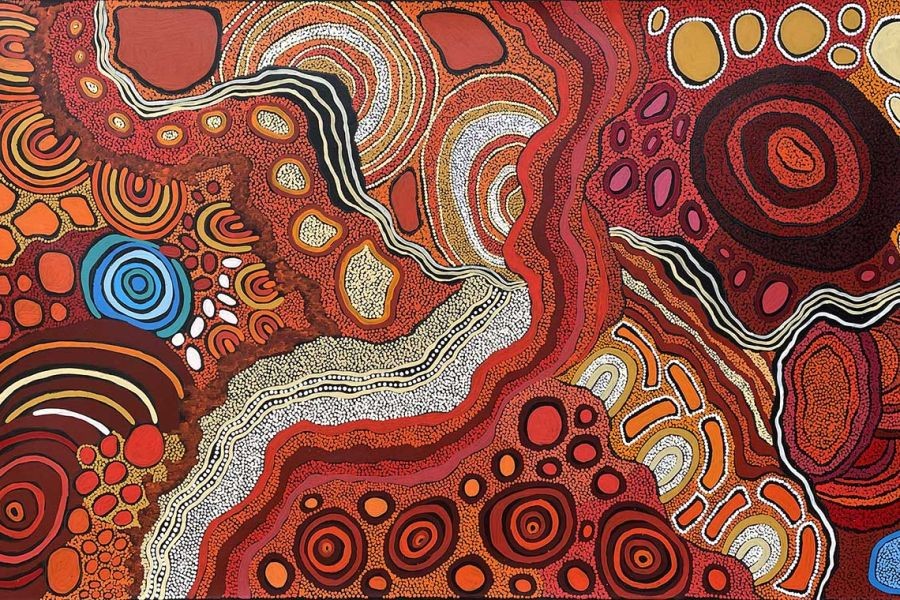




In the heart of Australia's cultural renaissance, Indigenous Australian creators are not just making art—they're reshaping the economic and cultural landscapes of the nation. As the world turns its gaze to the rich tapestry of Aboriginal and Torres Strait Islander artistry, these creators are breaking through traditional barriers, infusing the global market with authentic stories and unique perspectives. The journey of these creators, from remote communities to international acclaim, raises important questions about the intersection of culture, commerce, and identity in Australia today.
Background: The Rise of Indigenous Australian Creators
The rise of Indigenous Australian creators in the global market is more than just a trend—it's a movement. According to the Australian Bureau of Statistics (ABS), the creative industries contributed over AUD 111 billion to the economy in 2022, a testament to the sector's growing significance. Within this, Indigenous art and cultural products play a pivotal role, driven by a burgeoning demand for authentic cultural experiences and narratives.
Historically, Indigenous artists faced systemic challenges, from cultural misappropriation to economic exploitation. However, recent shifts in policy and consumer consciousness have started to level the playing field. Initiatives like the Indigenous Art Code are crucial in protecting these creators' rights, ensuring that their art is not only valued but also fairly compensated.
Voices from the Field: Stories of Breakthrough
Case Study: Bula'bula Arts – Preserving Culture through Innovation
Problem: Located in the remote community of Ramingining in Arnhem Land, Bula'bula Arts faced challenges in reaching wider markets due to geographical isolation and limited resources. This significantly constrained their ability to showcase the rich Yolngu culture through art.
Action: Embracing digital platforms, Bula'bula Arts partnered with online galleries and social media to reach global audiences. They also collaborated with the National Gallery of Australia to curate exhibitions that highlighted Yolngu traditions and artistry.
Result: Over two years, Bula'bula Arts saw a 60% increase in sales, with international collectors purchasing their works. This not only boosted the local economy but also ensured the preservation and promotion of Yolngu culture on a global stage.
Takeaway: Digital innovation can bridge geographical divides, allowing remote Indigenous communities to access broader markets while maintaining cultural integrity.
Case Study: Nakkiah Lui – From Stage to Screen
Problem: As an Indigenous playwright and actor, Nakkiah Lui faced the challenge of breaking into mainstream media, which often marginalized Indigenous narratives.
Action: Nakkiah leveraged her unique voice to create and star in groundbreaking works like "Black Comedy" and "Preppers," which not only showcased Indigenous humor but also addressed serious social issues.
Result: Her works received critical acclaim and a wider audience reach, highlighting the demand for diverse, authentic storytelling in Australian media. This success paved the way for more Indigenous stories in mainstream platforms.
Takeaway: By staying true to one's cultural roots and narratives, Indigenous creators can disrupt traditional media spaces and reach diverse audiences.
Implications: Economic and Cultural Impact
The economic impact of Indigenous creators is profound. As reported by the Reserve Bank of Australia (RBA), there is a direct correlation between cultural exports and economic growth. Indigenous art and cultural ventures are not only lucrative but also vital in promoting Australia's cultural identity globally. Moreover, these creators are fostering cross-cultural understanding and reconciliation, addressing historical injustices through their work.
However, challenges remain. The Australian Competition & Consumer Commission (ACCC) highlights the ongoing issue of counterfeit Indigenous art, which undermines the authenticity and economic potential of genuine products. Protecting intellectual property rights and ensuring fair trade practices are essential steps in safeguarding the interests of Indigenous creators.
Pros and Cons of Indigenous Art in the Global Market
Pros:
- Cultural Preservation: Indigenous art promotes and preserves cultural heritage, ensuring traditional stories and practices endure.
- Economic Growth: The art sector provides significant economic benefits to Indigenous communities through job creation and income generation.
- Global Awareness: Indigenous art raises international awareness about Australia's rich cultural diversity.
- Increased Demand: Growing consumer interest in authentic cultural products boosts market demand.
- Social Impact: Art fosters dialogue and understanding, contributing to reconciliation efforts.
Cons:
- Risk of Exploitation: Without proper protections, Indigenous artists can be vulnerable to exploitation and cultural appropriation.
- Market Saturation: The influx of Indigenous art can lead to market saturation, potentially devaluing works.
- Cultural Misrepresentation: Misinterpretation or misrepresentation of cultural symbols can occur if not managed sensitively.
- Intellectual Property Issues: Counterfeit products and unauthorized reproductions remain a significant challenge.
- Geographical Barriers: Remote communities may struggle with access to resources and infrastructure needed for broader market reach.
Future Trends and Predictions
Looking ahead, the future of Indigenous Australian creators appears promising. With increasing international interest and supportive policy frameworks, the potential for growth is immense. According to a report by Deloitte, the global demand for culturally rich and diverse art is expected to rise by 25% over the next five years, presenting substantial opportunities for Indigenous creators.
Moreover, as digital platforms continue to evolve, they offer new avenues for artists to share their work with global audiences. The integration of technology can help overcome geographical barriers, allowing creators from remote areas to engage with markets worldwide.
The key to sustaining this momentum lies in education and capacity building. By investing in art education and entrepreneurial training, Indigenous communities can ensure that future generations are equipped to navigate both cultural and commercial landscapes effectively.
Conclusion: A Call to Action
The breakthrough of Indigenous Australian creators is not just a cultural milestone—it's an economic opportunity. As these creators continue to make their mark on the global stage, it is crucial for policymakers, businesses, and consumers alike to support and protect their work. By embracing and investing in Indigenous art, we can foster a more inclusive and dynamic cultural economy for all Australians.
What role do you think Indigenous art should play in Australia's cultural and economic future? Share your thoughts and join the conversation below!
People Also Ask (FAQ)
- How does Indigenous art impact Australia's economy? Indigenous art contributes significantly to Australia's economy, with the creative industries generating over AUD 111 billion, according to the ABS. This sector supports local economies and promotes cultural tourism.
- What challenges do Indigenous artists face in the global market? Indigenous artists often face challenges such as cultural appropriation, counterfeit products, and limited market access, which can undermine their economic potential and cultural integrity.
- How can technology benefit Indigenous creators? Technology offers Indigenous creators new platforms to reach global audiences, overcome geographical barriers, and protect their intellectual property through digital rights management.
Related Search Queries
- Indigenous Australian art market trends
- Economic impact of Indigenous art in Australia
- Challenges faced by Indigenous artists
- Digital platforms for Indigenous creators
- Government support for Indigenous art
- Protecting Indigenous cultural heritage
- Indigenous art and cultural appropriation
- Indigenous storytelling in media
- Future of Indigenous art in Australia
- Indigenous art and cultural reconciliation
For the full context and strategies on Case Studies of Indigenous Australian Creators Breaking Through, see our main guide: Australian Creator Brand Collaborations.