






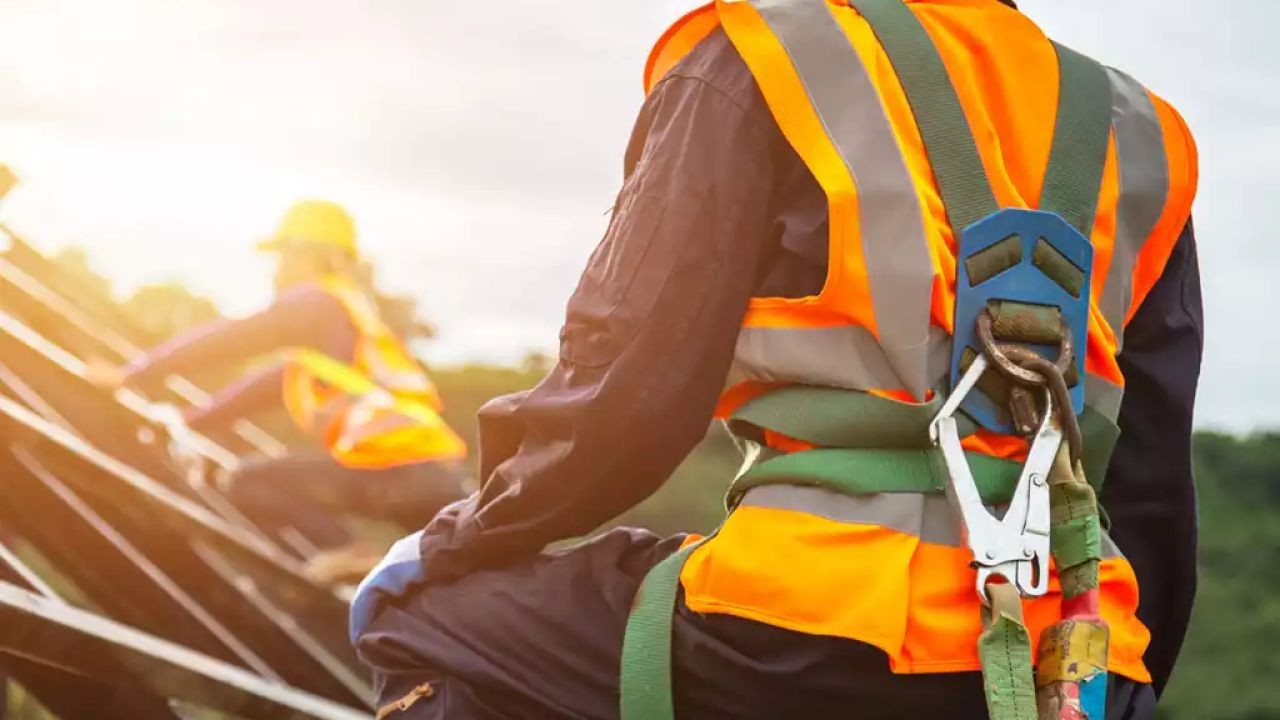
In the rapidly evolving landscape of property development, one critical aspect that often gets overlooked is construction safety. With the Australian construction industry contributing significantly to the nation's GDP—7.3% in 2022 according to the Australian Bureau of Statistics—ensuring worker safety is not just a legal obligation but a crucial component of sustainable business practice. As we delve into the integration of construction safety training videos for Australian workers, we uncover how this modern approach is reshaping safety protocols, enhancing compliance, and ultimately, saving lives.
The Importance of Construction Safety in Australia
The construction industry in Australia is notoriously high-risk. According to Safe Work Australia, the construction sector accounts for 9% of the Australian workforce but represents 16% of worker fatalities. This statistic underscores the urgent need for effective safety training solutions. As property development specialists, integrating robust safety training can mitigate risks and foster a culture of safety.
Why Training Videos are a Game-Changer
Traditional safety training methods have their limitations. Classroom settings often fail to engage workers, leading to poor retention of crucial safety protocols. In contrast, construction safety training videos offer a dynamic, interactive way to convey safety messages. They can be paused, replayed, and accessed anytime, providing flexibility and reinforcing learning.
Case Study: Lendlease’s Innovative Approach
Problem: Lendlease, a leading international property and infrastructure group, faced the challenge of high incident rates on its Australian sites despite traditional safety training protocols.
Action: The company implemented a series of engaging safety training videos designed to simulate real-world scenarios. These videos were accessible on-site through mobile devices, ensuring all workers could review them as needed.
Result: Lendlease reported a 45% reduction in on-site incidents within the first year of implementing video training. This success not only improved worker safety but also enhanced project delivery timelines and reduced insurance premiums.
Takeaway: Integrating video-based training enhances retention and application of safety protocols, proving cost-effective in the long run.
Australian Policies and Regulations
Australia’s regulatory framework mandates rigorous safety standards for construction sites. The Work Health and Safety Act 2011 outlines the responsibilities of employers to provide safe working environments and adequate training. Video training aligns perfectly with these regulations by offering a consistent, scalable way to deliver comprehensive safety education.
Data-Driven Insights from the Australian Bureau of Statistics
The Australian Bureau of Statistics (ABS) reports that sectors investing in digital training technologies see a 32% improvement in compliance and safety record metrics. These statistics highlight the financial and operational advantages of adopting video-based training solutions.
How It Works: Deep Dive into Video Training Implementation
Implementing construction safety training videos involves several strategic steps:
- Needs Assessment: Analyze specific site risks and regulatory requirements to tailor video content effectively.
- Content Development: Collaborate with safety experts to create realistic scenarios that resonate with workers.
- Technology Integration: Utilize platforms that support video streaming across multiple devices, ensuring accessibility for all workers.
- Feedback Mechanism: Implement a system for workers to provide feedback on video content, allowing for continuous improvement.
Pros and Cons of Video-Based Safety Training
Pros:
- Enhanced Engagement: Videos capture attention better than text-heavy manuals, leading to higher retention rates.
- Consistency: Provides uniform training across various sites, ensuring all workers receive the same safety messages.
- Flexibility: Accessible anytime, allowing workers to learn at their own pace.
Cons:
- Initial Costs: Developing high-quality video content can involve significant upfront investment.
- Technology Dependency: Requires reliable access to digital devices and internet connectivity.
Common Myths & Mistakes
Despite the proven benefits, several myths persist around construction safety training videos:
Myth: "Videos are less effective than in-person training."
Reality: Studies show that video training improves retention rates by 60% compared to traditional methods (Source: Deloitte).
Myth: "Videos can't address site-specific issues."
Reality: Customized video content can be tailored to address the unique hazards of each site.
Myth: "Video production is too costly."
Reality: While there is an initial investment, the long-term savings on reduced incidents and compliance fines outweigh the costs.
Future Trends & Predictions
Looking ahead, the integration of augmented reality (AR) and virtual reality (VR) in safety training videos is set to revolutionize the industry. By 2026, it is predicted that over 50% of Australian construction firms will adopt AR/VR training tools, according to a report by IBISWorld. These technologies offer immersive learning experiences that further enhance safety training effectiveness.
Conclusion
The integration of construction safety training videos is not merely a trend but a necessity in Australia’s property development landscape. By embracing this technology, developers not only comply with regulatory standards but also contribute to a safer, more efficient industry. As we move towards a more digitalized future, the role of video training in enhancing construction safety will undoubtedly expand.
Final Takeaway & Call to Action: Are you ready to revolutionize your safety training approach? Explore how integrating video-based safety solutions can benefit your projects. Join the conversation on LinkedIn AU and share your experiences with video training in construction safety.
Related Search Queries
- Construction safety training techniques
- Benefits of safety training videos
- Australian construction industry safety standards
- How to implement video training in construction
- Future of construction safety training
People Also Ask (FAQ)
How does video training impact construction safety in Australia?Video training enhances safety by improving retention of safety protocols, leading to a 45% reduction in on-site incidents in some companies, according to industry case studies.
What are the biggest misconceptions about construction safety training videos?One common myth is that videos are less effective than in-person training. However, research shows that video training can increase retention rates by up to 60% (Source: Deloitte).
What are the best strategies for implementing construction safety training videos?Experts recommend conducting a needs assessment, developing customized content, integrating technology, and implementing feedback mechanisms for continuous improvement.
For the full context and strategies on Construction Safety Training Videos for Australian Workers, see our main guide: Construction Event Videos Australia.



































VerlaKelse
6 days ago