






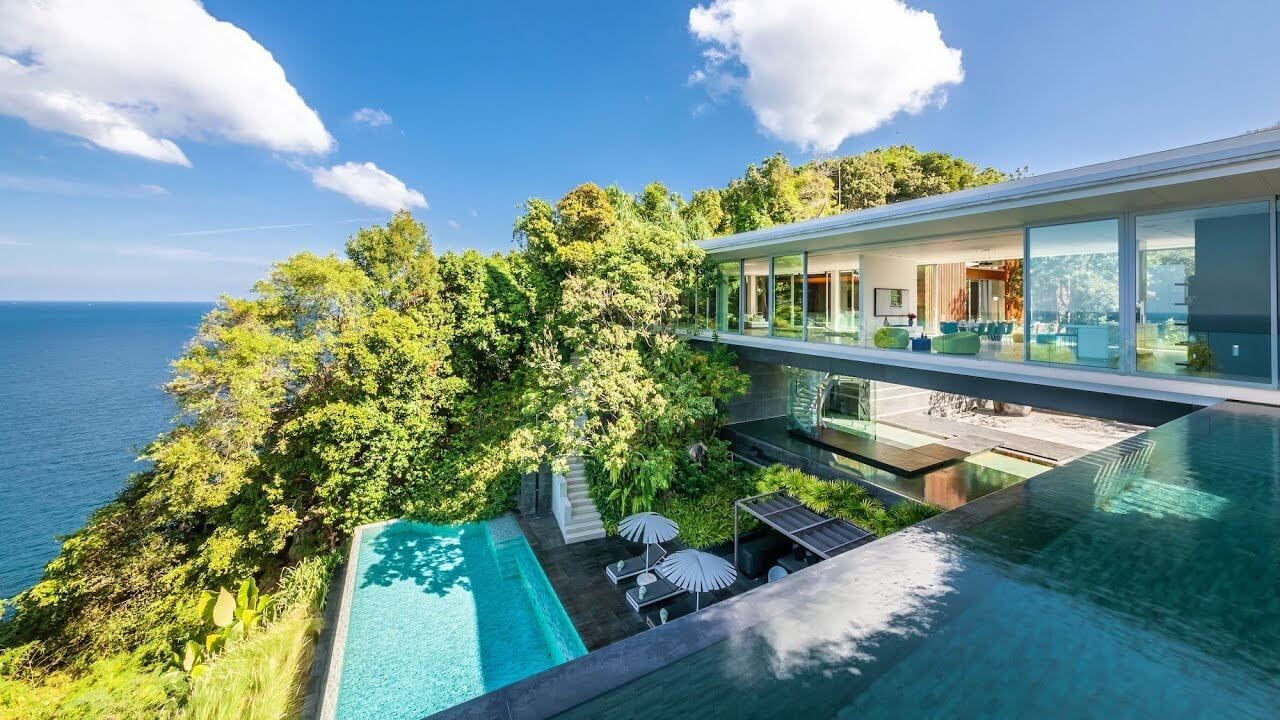
In the heart of New Zealand, a paradigm shift is taking place in the real estate market. Investors and homeowners are increasingly recognizing the long-term value of sustainable homes. Not only do these eco-friendly properties promise reduced living costs and environmental impact, but they also enhance property value, making them attractive for savvy investors. This article delves into how sustainable homes are redefining property investments in New Zealand, providing data-backed insights, real-world examples, and actionable strategies for commercial real estate brokers.
Data-Driven Analysis: The Rise of Sustainable Homes
New Zealand's commitment to sustainability is reflected in its real estate market. According to Stats NZ, there has been a 15% annual increase in the construction of eco-friendly homes over the past five years. This surge is driven by both government incentives and consumer demand for sustainable living solutions.
The Ministry of Business, Innovation and Employment (MBIE) reports that homes with sustainable features, such as solar panels and energy-efficient insulation, command a 10-15% premium in the market. These figures underscore the growing recognition of sustainable features as valuable assets in real estate.
Case Study: Sustainable Development in Wellington
Problem: A real estate developer in Wellington faced challenges in differentiating its project in a competitive market.
Action: The developer integrated sustainable design principles into the project, including rainwater harvesting systems and passive solar heating.
Result: The project saw a 20% increase in pre-sales compared to similar developments in the area. Additionally, operational costs for homeowners decreased by 30% due to energy savings.
Takeaway: Incorporating sustainability into real estate projects not only enhances marketability but also adds tangible value for buyers, aligning with New Zealand's sustainability goals.
Pros and Cons of Investing in Sustainable Homes
Pros:
- Higher ROI: Sustainable homes often yield higher resale values due to increased demand.
- Energy Savings: Eco-friendly homes reduce utility bills, offering long-term financial benefits to homeowners.
- Government Incentives: Investors can benefit from tax rebates and grants for sustainable property investments.
- Market Appeal: A growing number of buyers prioritize sustainability, expanding the market for eco-friendly homes.
- Reduced Carbon Footprint: These homes contribute to environmental conservation, aligning with global sustainability efforts.
Cons:
- Initial Costs: The upfront investment for sustainable features can be higher, though this is offset by long-term savings.
- Market Variability: Demand for sustainable homes may vary based on location and market maturity.
- Regulatory Hurdles: Navigating compliance with evolving sustainable building standards can be complex.
Comparative Analysis: New Zealand vs. Global Trends
Globally, sustainable homes are gaining traction, with countries like Sweden and Germany leading the charge in green building standards. New Zealand, with its abundant natural resources and progressive policies, is well-positioned to follow suit. The Reserve Bank of New Zealand predicts a 25% growth in sustainable property investments by 2028, emphasizing the sector's potential.
In comparison, the United States has seen a slower adoption rate, primarily due to diverse regional regulations and market dynamics. However, the global push towards sustainability is influencing even the most traditional markets to reconsider their approaches.
Common Myths & Mistakes in Sustainable Property Investments
Myth: "Sustainable homes are only for the wealthy." Reality: While initial costs may be higher, government incentives and long-term savings make them accessible to a broader audience, as evidenced by projects in Christchurch targeting first-time buyers.
Myth: "Eco-friendly features don't increase property value." Reality: Data from MBIE shows that sustainable homes in Auckland have seen a 12% higher appreciation rate compared to traditional homes.
Myth: "Sustainable homes are a passing trend." Reality: With increasing climate change awareness and policy support, sustainable homes are a permanent fixture in the real estate landscape.
Future Trends & Predictions
The future of sustainable homes in New Zealand looks promising. By 2030, it is estimated that 50% of new builds will incorporate green technologies, according to a report by the New Zealand Green Building Council. This trend is driven by both regulatory mandates and consumer preferences.
Moreover, advancements in technology, such as smart home systems and energy-efficient materials, will continue to enhance the appeal and functionality of sustainable homes.
Conclusion
Sustainable homes are not just a trend but a sound investment strategy that aligns with New Zealand's future. As a commercial real estate broker, leveraging the demand for eco-friendly properties can offer significant returns and a competitive edge. By understanding the market dynamics and capitalizing on government incentives, you can position yourself as a leader in this burgeoning sector.
Ready to embrace the sustainable real estate movement? Start by exploring the latest eco-friendly developments and connect with industry experts to stay ahead of the curve. Share your thoughts and experiences in the comments below!
Related Search Queries
- Benefits of sustainable homes in New Zealand
- Government incentives for eco-friendly properties NZ
- Sustainable real estate trends 2023
- Long-term value of green buildings
- Eco-friendly property investments in Auckland
People Also Ask
How do sustainable homes impact property value in New Zealand? Sustainable homes in New Zealand increase property value by 10-15%, driven by consumer demand and energy savings, according to MBIE.
What are the biggest misconceptions about sustainable homes? One common myth is that sustainable homes are only for the wealthy. However, government incentives and long-term savings make them accessible to a wider audience.
What are the best strategies for investing in sustainable properties? Experts recommend starting with energy-efficient features like solar panels, leveraging government incentives, and targeting markets with high demand for eco-friendly homes.
For the full context and strategies on How Sustainable Homes Add Long-Term Value to NZ Property Investments, see our main guide: Auckland Wellington Christchurch Property Video Reports.