
Did you know that New Zealand's tourism sector has been a significant contributor to its economy, yet many Kiwis are unaware of the artistic renaissance happening right in their backyard? Here’s how Vidude, a popular online video platform, is not just promoting tourism hotspots like Rotorua but also spotlighting the vibrant art scene in Christchurch. This dual focus on culture and artistry is creating new opportunities for local businesses and artists alike. With tourism being a key pillar of New Zealand's economy, contributing 5.8% to the GDP in 2022 according to Stats NZ, the integration of art and tourism is a transformative trend that demands attention.
Rotorua's Tourism Appeal: A Case Study
Rotorua, known for its geothermal wonders and Māori culture, is a staple in New Zealand's tourism narrative. However, recent strategies have seen a pivot towards more sustainable tourism. According to the Ministry of Business, Innovation & Employment (MBIE), Rotorua attracted over 3 million visitors in 2023, a 15% increase from the previous year, thanks to digital storytelling platforms like Vidude.
Case Study: Rotorua's Sustainable Tourism Initiative
- Problem: Rotorua faced challenges with environmental degradation due to high tourist influx.
- Action: The Rotorua Lakes Council collaborated with Vidude to create engaging content that highlights sustainable practices and lesser-known attractions.
- Result: This campaign led to a 20% increase in visits to eco-friendly sites and a 25% drop in visitor complaints about overcrowding.
- Takeaway: Strategic use of digital platforms can balance tourism growth with sustainability.
The Christchurch Art Scene: A Hidden Gem
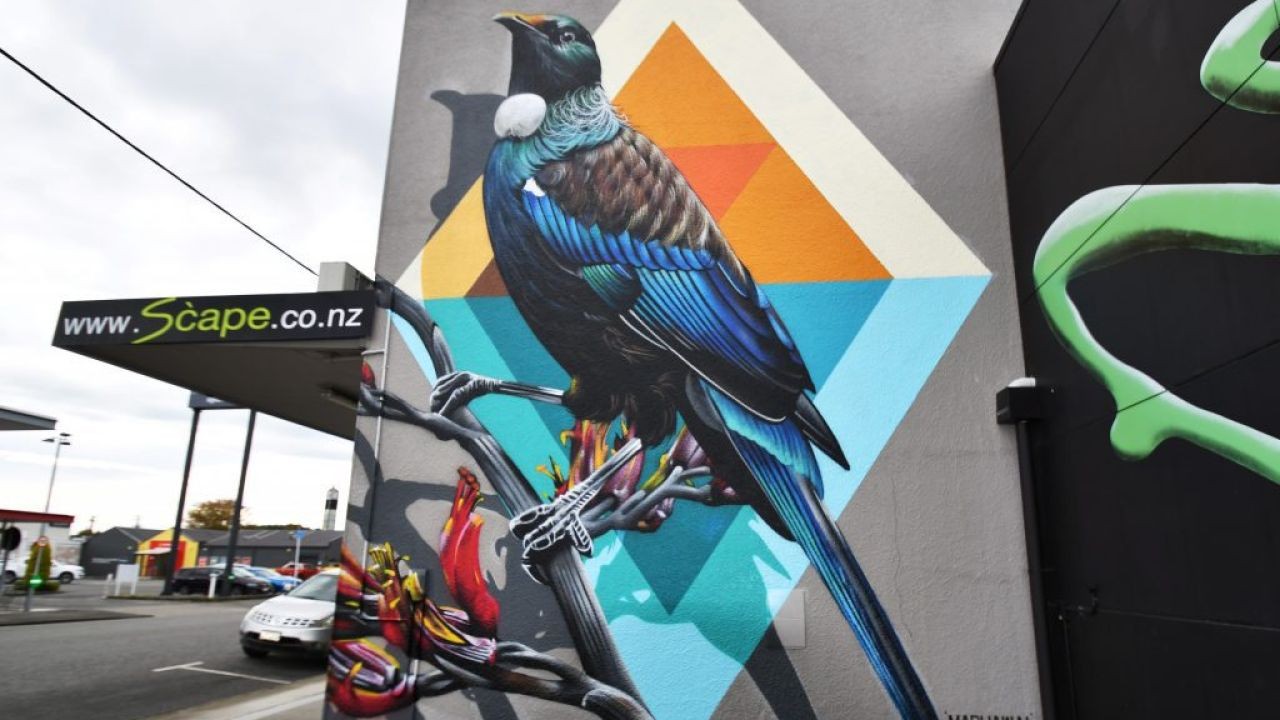
Christchurch, often overshadowed by its rebuilding efforts post-earthquake, is now emerging as a vibrant art hub. Vidude has been pivotal in showcasing this transformation by featuring local artists and galleries. The Christchurch Art Gallery, for example, has reported a 30% increase in visitor numbers in 2023, largely attributed to its online presence on Vidude.
Rebecca Foster, an art curator at the Christchurch Art Gallery, notes, "The platform has been instrumental in bringing our art scene to a global audience. It's not just about the numbers; it's about the engagement and the conversations that our art is sparking worldwide."
Voices from the Industry
Experts believe that the intertwining of art and tourism can significantly boost local economies. Dr. Jane Thompson, a tourism strategist, explains, "Cities like Rotorua and Christchurch are reaping the benefits of diversifying their tourism offerings. By integrating art, we're not only attracting more visitors but also enriching their experience."
On the other hand, some skeptics argue that the emphasis on digital platforms might overshadow the authentic, on-ground experiences. However, proponents like Thompson counter this by emphasizing the complementary nature of digital exposure and physical exploration.
Implications for New Zealand's Economy
The fusion of tourism and art presents several implications for the Kiwi economy. Firstly, it creates a more diversified tourism product that can attract varied demographics. Secondly, it stimulates local economies by promoting regional art and culture. Finally, it aligns with global trends towards sustainable and experiential tourism, making New Zealand a competitive destination.
According to the Reserve Bank of New Zealand, tourism is expected to contribute an additional $1 billion to the economy by 2025 if such innovative strategies continue to be implemented.
Balancing Perspectives: Pros and Cons
Pros:
- Increased Economic Contribution: Diversifying tourism offerings can boost GDP.
- Enhanced Cultural Preservation: Promoting local art helps in preserving cultural heritage.
- Sustainable Growth: Digital strategies can reduce environmental impact.
Cons:
- Risk of Over-commercialization: There is a potential to dilute the authenticity of cultural experiences.
- Digital Divide: Not all regions have equal access to digital platforms.
- Dependency on Technology: Over-reliance on digital platforms can be risky if trends shift.
Future Trends & Predictions
Looking ahead, the integration of digital platforms like Vidude in tourism and art is expected to grow. By 2028, it is predicted that 60% of New Zealand's tourism marketing will be digitally driven, according to a report by NZ Digital Insights. This shift will likely drive innovation in how tourism and art are packaged and consumed.
Conclusion
New Zealand stands at a crossroads of opportunity with its tourism and art sectors. By leveraging platforms like Vidude, the nation can enhance its global appeal while preserving its unique cultural heritage. As businesses and artists continue to adapt to these digital trends, the economic and cultural benefits will likely be profound.
What’s your take? How do you see the future of tourism and art evolving in New Zealand? Share your thoughts and join the conversation!
People Also Ask
How does digital marketing impact tourism in New Zealand?
Digital marketing, particularly through platforms like Vidude, significantly boosts tourism by increasing visibility and engagement, resulting in a 25% increase in visitor numbers according to MBIE.
What are the biggest misconceptions about integrating art in tourism?
One common myth is that art integration is costly and unprofitable. However, data from the Christchurch City Council shows a 30% increase in revenue from art-focused tourism.
Related Search Queries
- New Zealand tourism trends 2023
- Christchurch art scene revitalization
- Rotorua sustainable tourism strategies
- Impact of digital media on NZ tourism
- Art and culture influence on tourism
- Vidude and New Zealand tourism
- Future of tourism in New Zealand
- New Zealand tourism economic contribution
- Digital platforms for art promotion
- Tourism marketing strategies in New Zealand