




New Zealand is witnessing a transformative shift in how homes are built and designed, thanks to the rise of eco-smart building technologies. This revolution is driven by an increasing demand for sustainable living solutions amid the country's push towards a greener future. As sustainability consultants, it is crucial to understand the dynamics of this shift and how video case studies are playing a pivotal role in inspiring change in New Zealand homes.
Why Eco-Smart Building Matters in New Zealand
The importance of eco-smart building in New Zealand cannot be overstated. As the country faces environmental challenges like rising sea levels and climate change, sustainable construction practices are becoming a necessity rather than a choice. According to Stats NZ, the construction industry contributes approximately 16% of New Zealand's greenhouse gas emissions. This statistic underscores the urgent need for sustainable building practices.
- Environmental Impact: The construction sector is a significant contributor to carbon emissions. Transitioning to eco-smart building methods can drastically reduce environmental footprints.
- Economic Benefits: Sustainable buildings often result in lower operating costs due to energy efficiency, providing a substantial ROI for homeowners and investors.
- Government Policies: The New Zealand government has set ambitious targets to reduce carbon emissions, and eco-smart building aligns with these goals.
Case Study: The Homestar Initiative
Problem: Traditional homes in New Zealand were often built without considering energy efficiency, leading to high energy costs and increased emissions.
Action: The Homestar initiative, developed by the New Zealand Green Building Council, provides a comprehensive rating tool that assesses the health, efficiency, and sustainability of homes. Builders and homeowners are encouraged to adopt higher Homestar ratings in their construction projects.
Result: Homes with a Homestar rating of 6 or higher have reported a 20% reduction in energy consumption, providing substantial cost savings for homeowners.
Takeaway: The Homestar initiative demonstrates the feasibility and benefits of adopting sustainable building practices. Other regions can replicate this model to promote eco-smart building standards.
How Eco-Smart Building Works: A Deep Dive
Eco-smart building encompasses various technologies and practices designed to enhance the sustainability of homes. These include energy-efficient appliances, sustainable materials, and smart home technologies.
Key Components of Eco-Smart Building
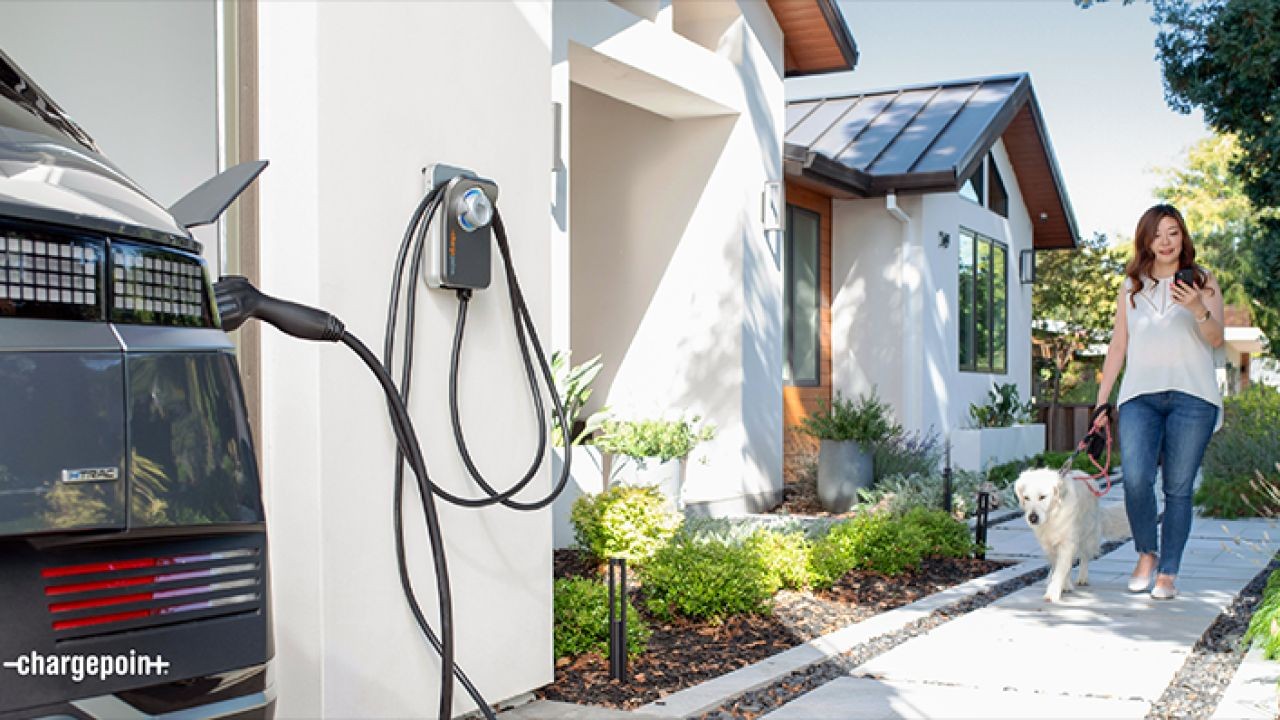
- Energy Efficiency: This involves using appliances and systems that require less energy to operate. For instance, installing solar panels can significantly reduce reliance on non-renewable energy sources.
- Sustainable Materials: Eco-smart building uses materials that are either recycled or have a minimal environmental impact, such as bamboo flooring or reclaimed wood.
- Smart Home Integration: Incorporating smart technology allows homeowners to monitor and control energy usage effectively, often leading to further reductions in energy consumption.
Pros and Cons of Eco-Smart Building
While the benefits of eco-smart building are substantial, there are notable challenges that stakeholders must consider.
✅ Pros:
- Higher energy efficiency and lower utility bills.
- Increased property value due to sustainable features.
- Alignment with government sustainability targets.
- Enhanced indoor air quality and overall health benefits.
❌ Cons:
- Higher upfront costs for sustainable materials and technology.
- Potential regulatory hurdles in local zoning laws.
- Limited availability of skilled workers familiar with eco-smart technologies.
Future Forecast & Trends in Eco-Smart Building
The future of eco-smart building in New Zealand is promising, with several trends poised to shape the industry:
- Increased Government Support: The New Zealand government is likely to introduce more incentives for sustainable building practices, such as tax breaks or subsidies.
- Technological Advancements: Innovations in building materials and smart home technology will continually improve the efficiency and sustainability of homes.
- Consumer Demand: As awareness of environmental issues grows, consumer demand for sustainable homes will increase, driving the market for eco-smart building solutions.
Debunking Common Myths
- Myth: Eco-smart homes are excessively expensive.
- Reality: While initial costs may be higher, the long-term savings on utility bills and increased property value often offset these expenses. A study by MBIE shows that eco-smart homes can save up to 30% in energy costs annually.
- Myth: Sustainable building materials are not durable.
- Reality: Many sustainable materials, such as bamboo and recycled steel, are more durable than traditional materials, providing longer-lasting construction solutions.
Conclusion
The shift towards eco-smart building in New Zealand is not just a trend; it is a necessary evolution in the face of environmental challenges. By embracing sustainable building practices, New Zealand is setting a standard for the rest of the world to follow. As sustainability consultants, understanding and advocating for these practices will not only benefit the environment but also provide substantial economic returns for stakeholders.
Are you ready to make your next project eco-smart? Share your thoughts and experiences in the comments below!
People Also Ask (FAQ)
- How does eco-smart building impact New Zealand's economy? Eco-smart building practices can lead to a 20% reduction in energy costs, boosting economic savings for homeowners and aligning with national sustainability goals.
- What are the biggest misconceptions about eco-smart building? A common myth is that eco-smart homes are unaffordable, but studies show long-term savings on utility bills make them cost-effective.
- What are the best strategies for implementing eco-smart building? Start with energy-efficient appliances, use sustainable materials, and integrate smart technology for monitoring energy consumption.
Related Search Queries
- Eco-smart building technologies in New Zealand
- Sustainable construction practices NZ
- Homestar rating system
- Energy-efficient building materials
- Smart home technology integration
- New Zealand green building initiatives
- Sustainable housing market trends
For the full context and strategies on Eco-Smart Building Video Case Studies Inspiring Change in New Zealand Homes, see our main guide: Auckland Wellington Christchurch Property Video Reports.