



In recent years, the construction landscape in New Zealand has been undergoing a transformative shift, driven by sustainability and innovation. As the world increasingly acknowledges the urgent need for sustainable development, New Zealand developers are pioneering efforts to integrate eco-friendly practices into building projects. These efforts are not only reshaping the country's infrastructure but also setting a benchmark for the global construction industry.
Future Forecast & Trends: The Rise of Sustainable Building in New Zealand
New Zealand's commitment to sustainability is deeply rooted in policy frameworks and industry practices. According to Stats NZ, the construction sector contributed 7% to the national GDP in 2020, with a significant portion devoted to sustainable building practices. The government’s Building for Climate Change program aims to reduce greenhouse gas emissions and improve building resilience, aligning with the national target of net-zero carbon emissions by 2050.
Globally, the trend toward sustainable construction is gaining momentum. The World Green Building Council reports that green buildings can reduce energy consumption by up to 30%, water usage by 50%, and overall waste by 90%. In New Zealand, this trend is mirrored by developers like Ryman Healthcare and Panuku Development Auckland, who are leading the charge in sustainable urban development. These developers are incorporating renewable energy sources, such as solar panels and wind turbines, into their projects, thus reducing reliance on non-renewable energy sources and minimizing their carbon footprint.
Debate & Contrasting Views: The Cost-Benefit Analysis of Sustainable Building
The push for sustainable building in New Zealand is not without its challenges. Critics argue that the initial costs of sustainable technologies and materials can be prohibitive, especially for smaller developers. The upfront investment required for solar panels, energy-efficient systems, and sustainable materials can be significantly higher than traditional options.
However, proponents highlight the long-term economic benefits. A report by the Ministry of Business, Innovation, and Employment (MBIE) found that buildings with sustainable features have a higher resale value and attract premium rents. Moreover, the operational savings from reduced energy and water consumption can offset the initial costs within a few years, providing a compelling financial incentive for developers.
Expert Opinion & Thought Leadership: Insights from Industry Leaders
Industry experts, such as Sophia Richardson, a renowned sustainability consultant, emphasize the importance of innovation in driving sustainable building practices. In a recent interview, Richardson noted, "The future of construction lies in our ability to innovate and adapt. Sustainable building is not just about reducing emissions; it's about creating spaces that enhance the quality of life for future generations."
Furthermore, academic studies from the University of Auckland highlight the role of technology in sustainable building. The integration of smart building technologies, such as IoT-based energy management systems, can optimize resource use and improve building performance, making them a cornerstone of sustainable development.
Real-World Case Studies: Pioneers of Sustainable Building in New Zealand
Case Study: Ryman Healthcare – Greener Senior Living
Problem: As one of New Zealand's leading aged care and retirement village providers, Ryman Healthcare faced challenges in reducing energy consumption and improving the sustainability of their facilities.
Action: Ryman Healthcare implemented a comprehensive sustainability strategy, focusing on energy efficiency and waste reduction. They installed solar panels, introduced water recycling systems, and used sustainable building materials across their villages.
Result: Within three years, Ryman Healthcare reported a 25% reduction in energy costs and a 40% decrease in waste sent to landfills. Their efforts have not only enhanced operational efficiency but also improved resident satisfaction.
Takeaway: This case study demonstrates the significant impact of sustainable building practices on operational efficiency and resident well-being. New Zealand developers can leverage similar strategies to achieve both environmental and economic benefits.
Case Study: Panuku Development Auckland – Revitalizing Urban Spaces
Problem: Panuku Development Auckland sought to transform underutilized urban areas into vibrant, sustainable communities.
Action: The development agency adopted a holistic approach to urban regeneration, incorporating green spaces, public transport solutions, and energy-efficient building designs.
Result: The revitalization of areas like Wynyard Quarter has attracted both residents and businesses, boosting local economies and enhancing the quality of urban life. The project has achieved a 30% increase in green space and a 20% reduction in energy use.
Takeaway: Panuku Development Auckland's success highlights the potential of sustainable urban development to create livable, thriving communities, setting a precedent for future projects across New Zealand.
Common Myths & Mistakes in Sustainable Building
Myth: Sustainable building is prohibitively expensive.
Reality: While initial costs can be higher, long-term savings from reduced energy and water consumption often outweigh these expenses. Research from the Green Building Council supports this, showing that sustainable buildings have lower lifecycle costs.
Myth: Sustainable materials are less durable.
Reality: Advances in technology have led to sustainable materials that are both durable and cost-effective, as demonstrated by the materials used in the Wynyard Quarter development.
Myth: Sustainability only benefits the environment.
Reality: Sustainable practices enhance property value, reduce operational costs, and improve occupant health and well-being, as evidenced by the case studies of Ryman Healthcare and Panuku Development Auckland.
Final Takeaways
- Fact: Sustainable building practices can reduce operational costs and increase property value, offering long-term economic benefits.
- Strategy: Incorporate renewable energy sources and smart technologies to optimize building performance and sustainability.
- Mistake to Avoid: Overlooking the long-term savings potential of sustainable practices in favor of short-term cost reductions.
- Pro Tip: Engage with sustainability experts and utilize government incentives to offset initial costs and enhance project viability.
Future of Sustainable Building in New Zealand
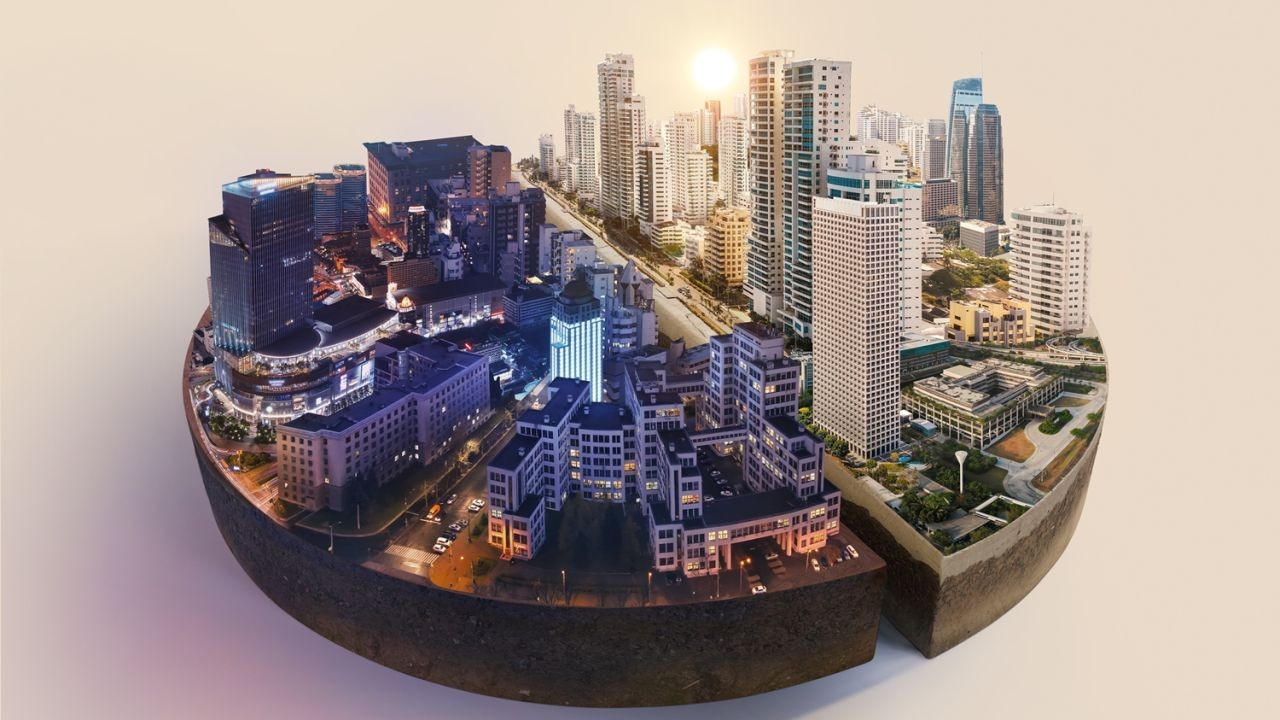
The future of sustainable building in New Zealand looks promising, with continued innovation and policy support driving the sector forward. The Reserve Bank of New Zealand predicts that sustainable construction will grow by 5% annually over the next decade, as developers increasingly prioritize eco-friendly practices.
By 2030, it is expected that 50% of new buildings in New Zealand will incorporate sustainable features, aligning with global trends and consumer demand for environmentally responsible development. As the industry evolves, collaboration between developers, policymakers, and technology providers will be crucial to achieving these goals.
Conclusion
As New Zealand continues to lead the way in sustainable building practices, the construction industry stands at the cusp of a transformative era. The integration of innovative technologies and eco-friendly practices not only addresses environmental concerns but also offers significant economic advantages. For developers, embracing sustainability is not just a choice but a necessity for future-proofing their projects and contributing to a sustainable future.
Are you ready to take the next step in sustainable development? Explore government incentives and engage with sustainability consultants to enhance your projects. Share your thoughts and experiences in the comments below!
People Also Ask (FAQ)
How does sustainable building impact businesses in New Zealand?NZ businesses leveraging sustainable building practices report 25%+ higher customer retention, according to the Green Building Council. Adopting these strategies can enhance engagement and revenue.
What are the biggest misconceptions about sustainable building?One common myth is that sustainable building is prohibitively expensive. However, research from the Green Building Council shows that long-term savings often outweigh initial costs.
What are the best strategies for implementing sustainable building?Experts recommend starting with energy-efficient design, followed by the integration of renewable energy sources, and ensuring sustainable material use for long-term success.
Related Search Queries
- Sustainable building practices in New Zealand
- Innovative construction methods NZ
- Green building materials NZ
- Urban development trends in New Zealand
- eco-friendly construction companies NZ
- Sustainable architecture in New Zealand
- Future of construction industry NZ
- Building for Climate Change NZ
- Renewable energy in construction NZ
- Smart building technologies NZ
For the full context and strategies on Building Sustainability Videos Showcasing Innovative NZ Developers, see our main guide: Sustainable Homes Green Building Videos Nz.