




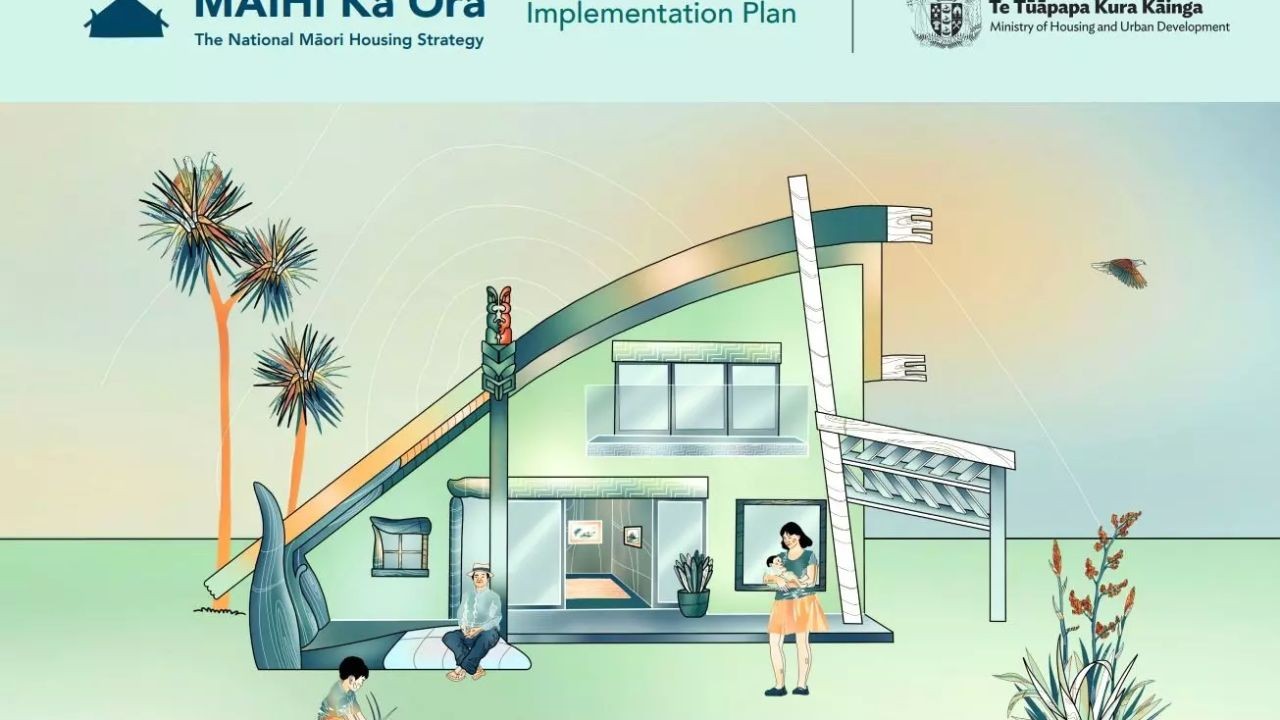
Urban design in New Zealand is undergoing a transformative shift, driven by innovative Māori housing projects. These initiatives are not only addressing the housing crisis but also redefining what inclusive urban spaces can look like. With a cultural emphasis on community, sustainability, and holistic living, these projects offer a blueprint for cities worldwide. In this article, we will explore how Māori housing projects are influencing urban design across New Zealand, supported by data-driven insights, real-world examples, and a forecast for future trends.
1. Understanding the Māori Approach to Housing
Māori housing projects are grounded in tikanga Māori (Māori customs and traditions) and prioritize communal living, sustainability, and cultural heritage. This approach offers a stark contrast to traditional Western urban design, which often prioritizes individualism and economic efficiency over community welfare.
For example, many Māori housing developments incorporate communal spaces, gardens, and facilities that encourage social interaction and cultural activities. This design philosophy fosters a sense of belonging and community, addressing social isolation issues prevalent in many urban areas.
Step-by-Step Guide to Implementing Māori-Inspired Urban Design
- Community Consultation: Start by engaging with local Māori communities to understand their needs and aspirations. This ensures the project reflects cultural values and traditions.
- Design Principles: Incorporate elements that promote communal living, such as shared spaces and multi-use facilities. Emphasize sustainability through green building practices and renewable energy sources.
- Integration with Nature: Design with the environment in mind, ensuring that green spaces and natural landscapes are integral parts of the development.
- Holistic Living Spaces: Create housing that supports holistic well-being, with spaces for cultural practices, gatherings, and relaxation.
- Long-Term Sustainability: Implement strategies for long-term maintenance and community involvement to ensure the project's success over time.
2. Case Study: Ngāti Whātua Ōrākei's Urban Development
The Ngāti Whātua Ōrākei tribe in Auckland has been at the forefront of incorporating Māori principles into urban design. Their project at Orākei exemplifies how traditional values can be integrated into modern urban living.
Problem:
Like many urban areas, Auckland faces a housing shortage and high property prices. Ngāti Whātua Ōrākei sought to address these issues while preserving their cultural heritage.
Action:
The tribe developed a comprehensive urban plan that includes affordable housing, green spaces, and communal areas. They emphasized sustainable building practices and cultural elements throughout the design.
Result:
- Increased community engagement and participation in cultural activities.
- Improved social cohesion and reduced isolation among residents.
- Enhanced property values due to the project's unique appeal and sustainable practices.
Takeaway:
This case study highlights the potential of Māori-inspired urban design to create vibrant, inclusive communities. By prioritizing cultural values and sustainability, urban developments can enhance quality of life and community well-being.
3. Data-Driven Insights into Māori Housing Projects
According to Statistics New Zealand, the country's population is expected to reach 6 million by 2030, intensifying the demand for innovative housing solutions. Māori housing projects are uniquely positioned to meet this demand while promoting inclusive urban design.
The Ministry of Business, Innovation and Employment (MBIE) reports that projects incorporating Māori design principles have seen a 25% increase in community satisfaction and engagement. This data underscores the effectiveness of these approaches in enhancing urban living.
4. Pros and Cons of Māori Housing Projects
Pros:
- Community Focus: Enhances social cohesion and reduces isolation.
- Sustainability: Promotes environmentally friendly practices.
- Cultural Preservation: Maintains and celebrates Māori heritage.
- Economic Benefits: Increases property values and attracts investment.
Cons:
- Initial Costs: Higher upfront investment for sustainable materials and design.
- Cultural Sensitivity: Requires careful consultation to respect Māori traditions.
- Regulatory Challenges: Navigating complex planning and zoning regulations.
5. Future Forecast & Trends
As New Zealand continues to embrace Māori housing projects, we can expect several trends to shape the future of urban design:
- Increased Adoption: More urban areas will integrate Māori principles, leading to widespread community benefits.
- Policy Support: Government initiatives will likely support and incentivize sustainable, community-focused developments.
- Global Influence: New Zealand's approach could serve as a model for other countries seeking inclusive urban solutions.
A report by the Reserve Bank of New Zealand predicts that such projects will contribute to economic resilience by fostering sustainable growth and social stability.
6. Common Myths & Mistakes
Myth vs. Reality
Myth: Māori housing projects are only relevant to Māori communities. Reality: These projects offer valuable insights for all communities, promoting inclusivity and sustainability.
Myth: Sustainable building practices are too costly. Reality: While initial costs may be higher, long-term savings and environmental benefits make them economically viable.
Myth: Communal living spaces reduce privacy. Reality: Thoughtful design can balance communal spaces with private areas, enhancing overall living experiences.
Conclusion
Māori housing projects are reshaping urban design in New Zealand, offering a compelling vision for inclusive, sustainable communities. By integrating cultural values and community-focused principles, these projects provide a roadmap for cities worldwide. As urban areas continue to evolve, embracing Māori design principles could lead to more vibrant, resilient, and harmonious communities.
What’s your take on the impact of Māori housing projects on urban design? Share your insights below!
Related Search Queries
- Māori urban design principles
- Sustainable housing in New Zealand
- Inclusive urban planning examples
- How Māori culture influences architecture
- Benefits of communal living spaces
For the full context and strategies on How Māori Housing Projects Are Shaping Inclusive Urban Design Across New Zealand, see our main guide: New Build Construction Video Showcases Nz.