





Australia's vast lands, known for their rich agricultural potential, are on the cusp of a technological transformation. Picture this: sprawling fields under the Australian sun, where drones zip through the air, capturing high-definition videos and collecting crucial data through advanced sensors. This isn't just a futuristic vision—it's the reality reshaping Australian agriculture today. With an emphasis on efficiency, sustainability, and productivity, drone and sensor technology is not merely an innovation—it's a revolution. But how did we get here, and what does this mean for the Australian economy?
How It Works: A Deep Dive into Drone and Sensor Technology
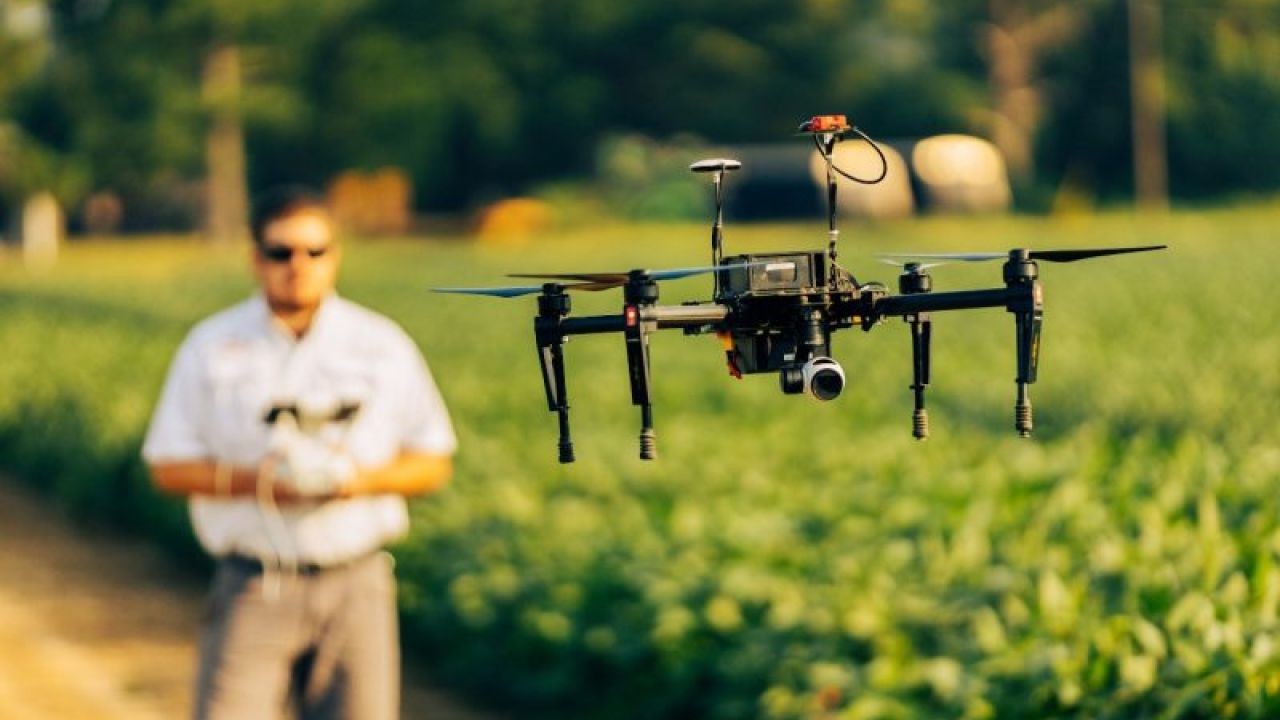
The integration of drone technology in agriculture is a step into precision farming, where every decision is data-driven. Drones equipped with high-resolution cameras and multispectral sensors fly over fields, collecting crucial data on crop health, soil conditions, and plant growth. This data is then processed into actionable insights, allowing farmers to make informed decisions about irrigation, fertilization, and pest control.
But it's not just about aerial views. Sensors placed in the ground monitor soil moisture levels, temperature, and nutrient content. These sensors feed real-time data into a central system, providing farmers with an unparalleled understanding of their land's needs. Such technology is vital for a country like Australia, where water scarcity and climate variability pose significant challenges to agriculture.
Innovation Breakdown: The Impact on Australian Agriculture
Australia's agricultural sector is a substantial contributor to its economy. According to the Australian Bureau of Statistics, agriculture accounted for approximately 3% of the national GDP in 2020. However, with the integration of drone and sensor technologies, this figure is poised to increase. The technology not only boosts productivity but also enhances sustainability—a critical factor in the face of climate change.
Let's examine a case study to illustrate this impact:
Case Study: Elders Limited – Embracing Technological Advancements
Problem:
Elders Limited, a leading agribusiness company in Australia, faced challenges in optimizing crop yields due to irregular rainfall and soil variability. Traditional methods of monitoring were inefficient and resource-intensive, leading to suboptimal crop production.
Action:
To address these issues, Elders implemented drone technology combined with ground sensors. Drones provided aerial imagery to assess crop health, while sensors monitored soil moisture and nutrient levels. The data collected allowed Elders to adjust their irrigation and fertilization strategies precisely.
Result:
- Crop yield increased by 25% within the first year.
- Water usage reduced by 30%, enhancing sustainability.
- Operational costs decreased by 15% due to optimized resource allocation.
Takeaway:
This case study highlights how integrating drone and sensor technology can transform agricultural practices, resulting in higher yields and sustainable farming. Such innovations are crucial for Australia's agricultural future, ensuring food security and economic stability.
Global Trends with Local Implications
Globally, the adoption of agricultural technology is accelerating. The U.S. and Europe have been at the forefront, with significant investments in drone technology. However, Australia's unique landscape and climatic conditions make it a fertile ground for these innovations. According to a report by CSIRO, by 2030, precision agriculture could increase Australia's agricultural output by up to 25%.
Furthermore, the Australian government has recognized the potential of these technologies. Initiatives like the National Farmers' Federation's 2030 Roadmap aim to make Australia a global leader in agricultural innovation. The roadmap outlines strategies to integrate more digital technologies into farming practices, aligning with the nation's goal of achieving a $100 billion agricultural industry by 2030.
Pros and Cons of Drone and Sensor Technology in Agriculture
Pros:
- Increased Efficiency: Drones can cover large areas quickly, providing data that would take weeks to gather manually.
- Resource Optimization: Precise insights allow for targeted use of water and fertilizers, reducing waste.
- Enhanced Sustainability: Better resource management leads to environmentally friendly farming practices.
- Cost-Effective: Although there is an initial investment, long-term savings are substantial due to increased productivity and reduced resource use.
Cons:
- High Initial Costs: The technology requires significant upfront investment, which may be prohibitive for small-scale farmers.
- Data Privacy Concerns: As with any technology, data security and privacy are crucial considerations.
- Technical Expertise Required: Effective use of these technologies requires training and expertise, which may not be readily available in all regions.
- Regulatory Challenges: Navigating drone regulations can be complex, requiring compliance with the Civil Aviation Safety Authority (CASA) guidelines.
Common Myths and Mistakes
Despite the clear benefits, several myths persist around the use of technology in agriculture:
Myth: "Drones are only useful for large-scale farms."
Reality: While drones are highly beneficial for large operations, small farms can also leverage them for precision agriculture, optimizing resource use and improving yields.
Myth: "Technology is too expensive for small farmers."
Reality: Although initial costs can be high, the return on investment through increased efficiency and productivity makes it a cost-effective choice in the long run.
Myth: "Manual farming practices are more accurate."
Reality: Data collected by drones and sensors is often more precise and consistent, leading to better decision-making and outcomes.
Future Trends and Predictions
Looking ahead, the role of drone and sensor technology in Australian agriculture is set to expand. By 2025, experts predict a 40% increase in the adoption of precision agriculture technologies across Australia (Source: RBA). With advancements in AI and machine learning, these technologies will become even more sophisticated, offering predictive analytics for crop management and further enhancing efficiency.
Moreover, the push towards sustainable practices will drive innovation in this field. As Australia aims for net-zero emissions by 2050, integrating technology to reduce resource use and increase productivity will be paramount.
Conclusion
Drone and sensor technology is revolutionizing Australian agriculture, offering a path to sustainable and efficient farming. As these technologies become more accessible, their impact on the economy and the environment will be profound. The future of Australian agriculture is bright, driven by innovation and a commitment to sustainability. As we move forward, it is crucial for farmers and stakeholders to embrace these technologies, ensuring the agricultural sector remains robust and competitive on the global stage.
What are your thoughts on the future of agriculture in Australia? Share your insights and join the conversation below!
Related Search Queries
- How is drone technology used in Australian agriculture?
- Benefits of precision agriculture in Australia
- Future trends in agricultural technology
- Impact of drones on farming efficiency
- Challenges in adopting agricultural technology
People Also Ask
How does drone technology impact Australian agriculture?
Drone technology enhances precision farming by providing real-time data on crop health, soil conditions, and resource needs, leading to increased efficiency and productivity.
What are the biggest misconceptions about drone technology in agriculture?
A common misconception is that drones are only suitable for large farms. In reality, they offer significant benefits to small farms through improved resource management and yield optimization.
Who benefits the most from drone technology in farming?
Farmers, agribusinesses, and the environment benefit significantly from drone technology, which enhances yield, reduces waste, and promotes sustainable practices.
For the full context and strategies on Drone and Sensor Technology Videos Revolutionising Australian Agriculture, see our main guide: Farm Livestock Videos Australia.