





Introduction
Imagine a future where Australia's energy sector not only meets the demands of its growing population but does so with unprecedented efficiency and sustainability. This vision is becoming a reality, thanks in part to the integration of smart grids and Internet of Things (IoT) energy management technologies. As the world shifts towards greener energy solutions, Australia's utilities are at the forefront of this transformation, harnessing advanced technologies to enhance energy management and distribution. But what exactly does this mean for the industry and consumers? Let's delve into the transformative potential of smart grids and IoT in Australia's energy landscape.
According to the Australian Energy Market Operator (AEMO), the adoption of smart grid technologies is expected to increase grid efficiency by over 15% by 2025. This not only promises a reduction in energy costs but also enhances the reliability and sustainability of energy supply. Such advancements are crucial as Australia commits to ambitious carbon reduction targets, aligning with global climate goals. But how do these technologies work, and what opportunities and challenges do they present for Australian utilities? Let's explore.
Understanding Smart Grids and IoT in Energy Management
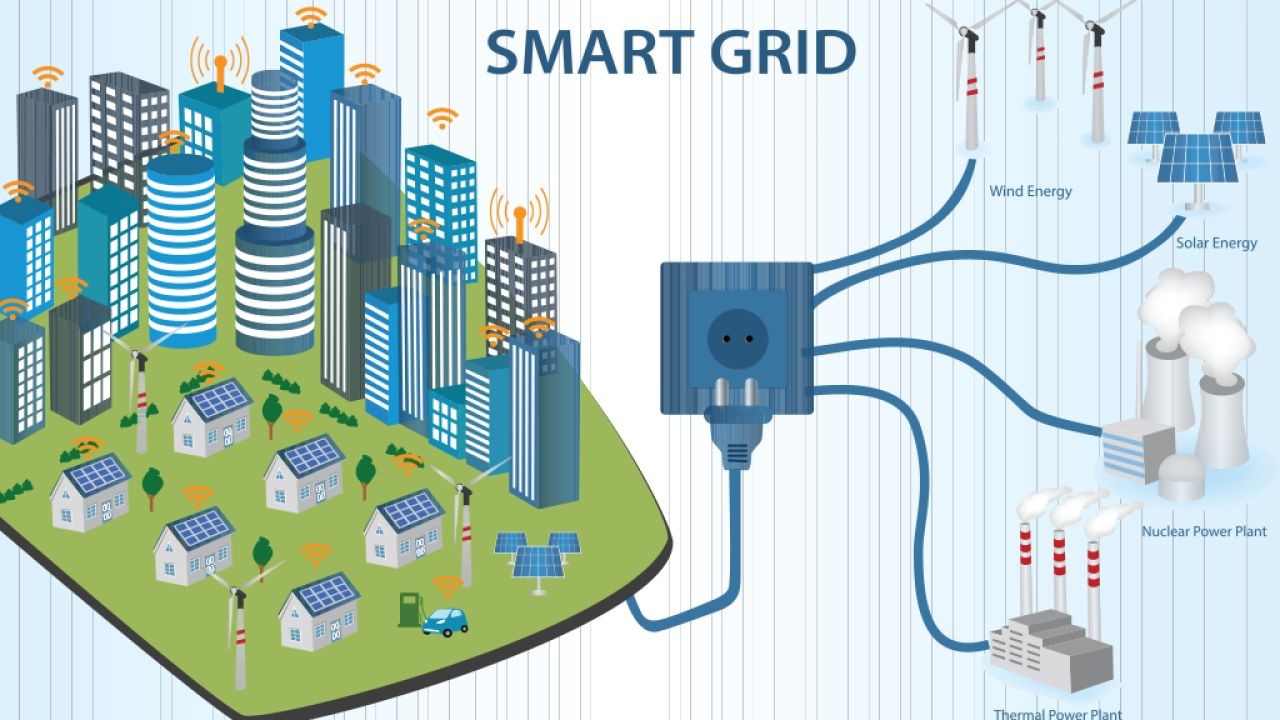
Smart grids are revolutionizing the way energy is distributed and consumed. Unlike traditional power grids, smart grids leverage digital technology to monitor and manage the transport of electricity from all generation sources to meet the varying electricity demands of end users. They are characterized by the integration of smart meters, sensors, and communication networks that enable real-time data collection and analysis.
IoT, on the other hand, connects devices and systems through the internet, allowing for seamless communication and data exchange. In the context of energy management, IoT devices can monitor energy consumption in real-time, predict maintenance needs, and optimize energy usage, thereby reducing wastage and costs.
The Australian Context: A Unique Landscape for Smart Grids and IoT
Australia's vast geography and diverse climate present unique challenges and opportunities for energy management. According to the Australian Bureau of Statistics, electricity consumption in Australia has been steadily increasing, with a significant portion attributed to residential use. The integration of smart grids and IoT can help address these demands by improving energy efficiency and reducing reliance on fossil fuels.
Furthermore, the Australian Energy Regulator (AER) has been actively supporting the deployment of smart grid technologies, recognizing their potential to enhance grid reliability and support renewable energy integration. As part of the National Electricity Market (NEM), these advancements are crucial in ensuring a stable and sustainable energy supply across the nation.
Real-World Case Studies: Success Stories in Smart Grid Implementation
Case Study: Powercor Australia – Enhancing Grid Reliability
Problem:
Powercor Australia, one of the country's leading electricity distributors, faced challenges in managing peak demand periods, leading to frequent outages and reliability issues.
Action:
To address this, Powercor implemented an advanced smart grid system equipped with IoT sensors and real-time monitoring capabilities. This allowed for dynamic load balancing and predictive maintenance, significantly reducing the risk of outages.
Result:
After the implementation, Powercor reported a 25% improvement in grid reliability and a 15% reduction in operational costs. Customer satisfaction scores increased by 30%, showcasing the tangible benefits of smart grid technologies.
Takeaway:
This case study highlights the critical role of smart grids in enhancing grid reliability and customer satisfaction. By leveraging IoT and real-time data, utilities can proactively manage demand and mitigate potential disruptions.
Case Study: SA Power Networks – Driving Renewable Integration
Problem:
SA Power Networks, operating in South Australia's renewable-rich environment, faced challenges in integrating increasing levels of solar and wind energy into the grid.
Action:
To facilitate renewable integration, SA Power Networks deployed a smart grid solution with advanced energy storage and demand response capabilities. This enabled better management of fluctuating renewable energy inputs.
Result:
The initiative resulted in a 40% increase in renewable energy utilization and a 20% reduction in greenhouse gas emissions. This success positioned SA Power Networks as a leader in sustainable energy management.
Takeaway:
Smart grids equipped with advanced storage and demand response technologies are instrumental in maximizing renewable energy integration, supporting Australia's transition to a low-carbon energy future.
The Financial Implications: Cost Savings and ROI
Adopting smart grids and IoT in energy management offers significant financial benefits for utilities and consumers alike. According to a report by Deloitte, utilities that implement smart grid technologies can achieve a return on investment (ROI) of up to 20% within the first five years. This is primarily driven by operational efficiencies, reduced energy losses, and enhanced demand management.
For consumers, smart grids enable more accurate billing and energy usage insights, empowering them to make informed decisions about their energy consumption. This can lead to cost savings of up to 15% on energy bills, as reported by the Australian Energy Regulator.
Regulatory Insights: Navigating the Policy Landscape
The Australian Competition & Consumer Commission (ACCC) has emphasized the importance of consumer protection in the deployment of smart grid technologies. Ensuring data privacy and security is paramount, as these systems rely on extensive data collection and analysis.
Moreover, the Australian government has introduced incentives and funding opportunities to encourage the adoption of smart grid technologies. These include grants for research and development, as well as tax incentives for utilities investing in renewable energy projects.
Challenges and Opportunities: Navigating the Smart Grid Landscape
Pros of Smart Grid and IoT Adoption
- Higher ROI: Utilities report up to 20% ROI within five years, driven by operational efficiencies and reduced energy losses.
- Enhanced Grid Reliability: Real-time monitoring and predictive maintenance significantly reduce outages and improve customer satisfaction.
- Renewable Integration: Smart grids facilitate the integration of solar and wind energy, supporting Australia's carbon reduction goals.
- Consumer Empowerment: Real-time energy usage insights enable consumers to make informed decisions, leading to potential cost savings.
Cons of Smart Grid and IoT Adoption
- Initial Costs: The deployment of smart grid technologies requires significant upfront investment, which may pose challenges for smaller utilities.
- Data Privacy Concerns: Extensive data collection raises privacy concerns, necessitating robust security measures to protect consumer information.
- Complexity of Integration: Integrating smart grid technologies with existing infrastructure can be complex and resource-intensive.
- Regulatory Compliance: Navigating the regulatory landscape and ensuring compliance with data protection laws is crucial for successful implementation.
Future Trends and Predictions: The Next Frontier in Energy Management
The future of energy management in Australia is poised for transformative change, driven by advancements in smart grids and IoT technologies. According to a report by the Commonwealth Scientific and Industrial Research Organisation (CSIRO), by 2030, over 70% of Australia's energy will be managed through smart grid systems, significantly reducing carbon emissions and enhancing grid resilience.
Furthermore, the integration of artificial intelligence (AI) and machine learning algorithms is expected to enhance the predictive capabilities of smart grids, enabling utilities to anticipate demand fluctuations and optimize energy distribution more effectively.
Conclusion
Australia's energy landscape is undergoing a paradigm shift, with smart grids and IoT technologies at the forefront of this transformation. As utilities embrace these advancements, they unlock opportunities for enhanced efficiency, sustainability, and consumer empowerment. However, navigating the challenges of implementation and regulatory compliance is crucial for realizing the full potential of these technologies.
What are your thoughts on the future of energy management in Australia? Share your insights and join the conversation below!
People Also Ask (FAQ)
How does smart grid technology impact Australian businesses? Smart grid technology enhances energy efficiency and reliability, leading to reduced operational costs and improved sustainability for Australian businesses. According to Deloitte, companies that adopt smart grid solutions can achieve up to 20% ROI within five years.
What are the biggest misconceptions about smart grids? One common myth is that smart grids are too expensive to implement. However, research from the Australian Energy Market Operator shows that the long-term cost savings and efficiency gains outweigh the initial investment, making them a viable option for utilities.
What are the best strategies for implementing IoT in energy management? Experts recommend starting with pilot projects to assess feasibility, followed by scaling up successful initiatives. Ensuring robust data security measures and aligning with regulatory requirements are critical for long-term success.
Related Search Queries
- Smart grid technology in Australia
- IoT energy management solutions
- Benefits of smart grids for utilities
- Renewable energy integration in Australia
- Energy efficiency technologies
- Australian energy market trends
- Data privacy in energy management
- Future of energy management in Australia
- Smart grid challenges and opportunities
- IoT applications in the energy sector
For the full context and strategies on Smart Grid and IoT Energy Management Videos for Australian Utilities, see our main guide: Utilities Infrastructure Videos Australia.