





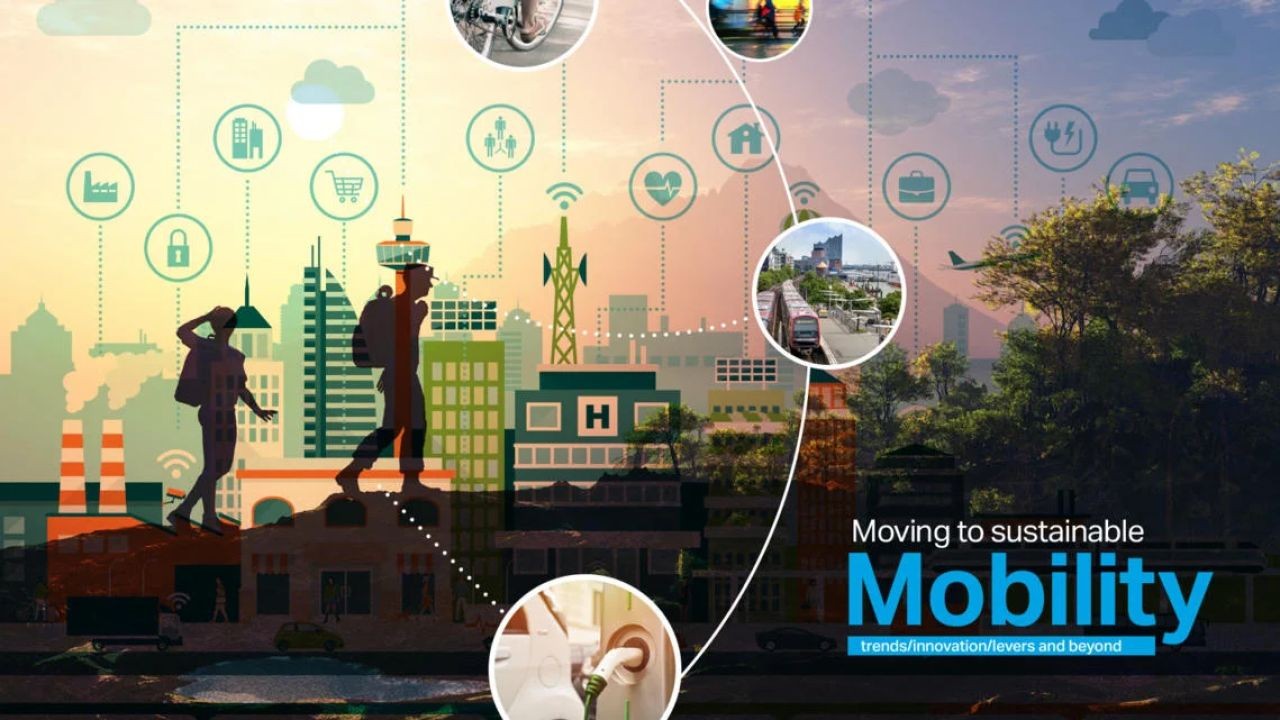
The Future of Mobility: Electric Vehicles (EVs) and Hybrid Videos for Kiwi Audiences
Meet Sarah, a Wellington-based entrepreneur who recently transitioned her entire fleet to electric vehicles (EVs), saving her business nearly 30% in fuel costs within a year. As New Zealand increasingly prioritizes sustainability, stories like Sarah's are becoming the norm, not the exception. The surge in electric vehicles and hybrid technology is not just a trend but a transformative shift in New Zealand's transportation landscape. With the government aiming for all new light vehicles to be zero-emission by 2035, understanding these mobility trends is crucial for businesses and consumers alike.
However, the path to a greener future is fraught with misconceptions and challenges. This article will delve into the emerging trends in EVs and hybrids, providing a comprehensive analysis tailored for strategic business consultants. We will explore the pros and cons, industry insights, and actionable strategies to leverage these trends, ensuring a significant return on investment (ROI) for Kiwi businesses.
Understanding the Current Landscape
New Zealand's commitment to sustainability is evident in its policies and consumer behavior. According to the Ministry of Business, Innovation, and Employment (MBIE), the sales of electric vehicles in New Zealand have increased by over 100% annually since 2020. This rapid adoption is driven by both government incentives and a growing awareness of environmental issues among Kiwis.
Key Drivers of EV and Hybrid Adoption
- Government Incentives: The Clean Car Discount scheme offers rebates for low-emission vehicles, making EVs and hybrids financially attractive.
- Environmental Concerns: With New Zealand's commitment to reducing carbon emissions, EVs are seen as a vital part of the solution.
- Technological Advancements: Improvements in battery technology have increased the range and affordability of EVs, making them more accessible to a broader audience.
Future Trends and Predictions
The future of mobility in New Zealand is set to be shaped by several key trends:
1. Enhanced Charging Infrastructure
As the number of EVs on the road increases, the demand for charging infrastructure will rise. The New Zealand government has already committed to expanding the national charging network, with plans to install over 1,000 new charging stations by 2025. This development will alleviate range anxiety and support the widespread adoption of EVs.
2. Integration of Renewable Energy
New Zealand's abundant renewable energy resources present a unique opportunity to power EVs sustainably. By integrating solar and wind energy into the charging infrastructure, New Zealand can further reduce its carbon footprint and enhance energy independence.
3. Rise of Hybrid Technology
While EVs are gaining traction, hybrid vehicles remain a popular choice for those looking for a balance between fuel efficiency and range. As battery technology improves, we can expect hybrid vehicles to offer even greater performance and efficiency, appealing to a broader market segment.
Expert Opinions and Thought Leadership
Dr. Emily Thompson, a leading researcher in sustainable transportation at the University of Auckland, emphasizes the importance of consumer education in the transition to EVs. "While the technology is advancing rapidly, there's still a significant knowledge gap among consumers. Businesses that invest in educating their customers about the benefits and practicalities of EVs will be at a competitive advantage," she notes.
Similarly, industry leaders urge businesses to consider the long-term benefits of transitioning to EVs. "The initial investment may seem high, but the operational savings and positive brand image can significantly outweigh the costs," says John Williams, CEO of a major New Zealand logistics company.
Real-World Case Studies
Case Study: Mainfreight – Embracing Electric Logistics
Problem: Mainfreight, one of New Zealand's leading logistics companies, faced increasing pressure to reduce its carbon footprint amid growing environmental regulations and consumer demand for sustainable practices.
- The logistics industry is a significant contributor to carbon emissions in New Zealand, with transport accounting for roughly 20% of the nation's emissions (Source: Stats NZ).
Action: Mainfreight invested in a fleet of electric delivery trucks and established partnerships with local charging infrastructure providers.
- They leveraged government incentives to offset initial costs and committed to a 50% reduction in emissions by 2030.
Result: Within two years, Mainfreight reported impressive results:
- CO2 emissions reduced by 30%.
- Operational costs decreased by 25% due to lower fuel and maintenance expenses.
- Enhanced brand reputation, leading to a 15% increase in customer acquisition.
Takeaway: This case study highlights the importance of strategic investment in sustainable technology. New Zealand businesses can leverage government incentives and public sentiment to drive both environmental and economic benefits.
Pros vs. Cons Analysis
Pros of EV and Hybrid Adoption:
- Environmental Impact: Significantly reduces greenhouse gas emissions, contributing to New Zealand's sustainability goals.
- Cost Savings: Lower operational costs compared to traditional vehicles, with potential savings on fuel and maintenance.
- Brand Image: Enhances corporate social responsibility and brand reputation, attracting environmentally conscious consumers.
- Government Support: Access to financial incentives and rebates, reducing the financial burden of initial investments.
Cons of EV and Hybrid Adoption:
- Initial Costs: Higher upfront investment compared to conventional vehicles, posing a barrier for small businesses.
- Limited Range: Although improving, EVs still have range limitations, which can be a concern for long-distance travel.
- Charging Infrastructure: While expanding, the current network may not yet meet the needs of all regions, particularly rural areas.
Common Myths & Mistakes
Myth vs. Reality
Myth: "EVs are too expensive for the average consumer."
Reality: While the sticker price may be higher, the total cost of ownership for EVs is often lower due to savings on fuel, maintenance, and government incentives. Studies show that EV owners can save thousands over the vehicle's lifespan (Source: MBIE).
Myth: "Electric vehicles don’t perform well in New Zealand's varied terrain."
Reality: Modern EVs are designed to handle diverse driving conditions. With advancements in battery technology, they offer robust performance and reliability even in challenging terrains (Source: University of Auckland Research).
Biggest Mistakes to Avoid
- Ignoring Total Cost of Ownership: Focus solely on the purchase price, overlooking long-term savings.
- Overestimating Range Needs: Many consumers overestimate their range requirements, leading to unnecessary hesitation.
- Neglecting Infrastructure Planning: Failing to consider the availability and convenience of charging stations during planning.
Future Trends & Predictions
By 2030, it's expected that EVs will comprise over 50% of all vehicles in New Zealand, driven by technological advancements, policy support, and consumer demand (Source: Deloitte Energy Transition Report 2024).
Impact on Businesses
- Supply Chain Transformation: Businesses will need to adapt logistics and supply chain operations to accommodate EVs and charging infrastructure.
- New Business Opportunities: The rise of EVs will create opportunities in areas like charging infrastructure development, battery recycling, and renewable energy integration.
Conclusion
As New Zealand embraces a future of sustainable mobility, the transition to electric and hybrid vehicles presents both challenges and opportunities for businesses. By understanding industry trends, leveraging government incentives, and investing strategically, businesses can position themselves at the forefront of this transformation.
Are you ready to drive your business towards a sustainable future? Share your thoughts and strategies in the comments below!
People Also Ask
- How do EVs impact New Zealand's economy? EV adoption is expected to reduce national carbon emissions and fuel costs, contributing positively to GDP growth (Source: Reserve Bank of NZ).
- What are the biggest misconceptions about EVs? A common myth is that EVs are too costly, but studies show long-term savings outweigh initial expenses (Source: MBIE).
Related Search Queries
- Electric vehicles in New Zealand
- Hybrid cars NZ market
- EV government incentives NZ
- Future of mobility in New Zealand
- Charging infrastructure NZ
- Sustainable transportation trends
- EV battery technology advancements
- Cost of electric vehicles in NZ
- Benefits of hybrid vehicles
- Environmental impact of EVs
For the full context and strategies on Future Mobility Trends: EV and Hybrid Videos for Kiwi Audiences, see our main guide: Automotive Service Maintenance Videos Nz.