





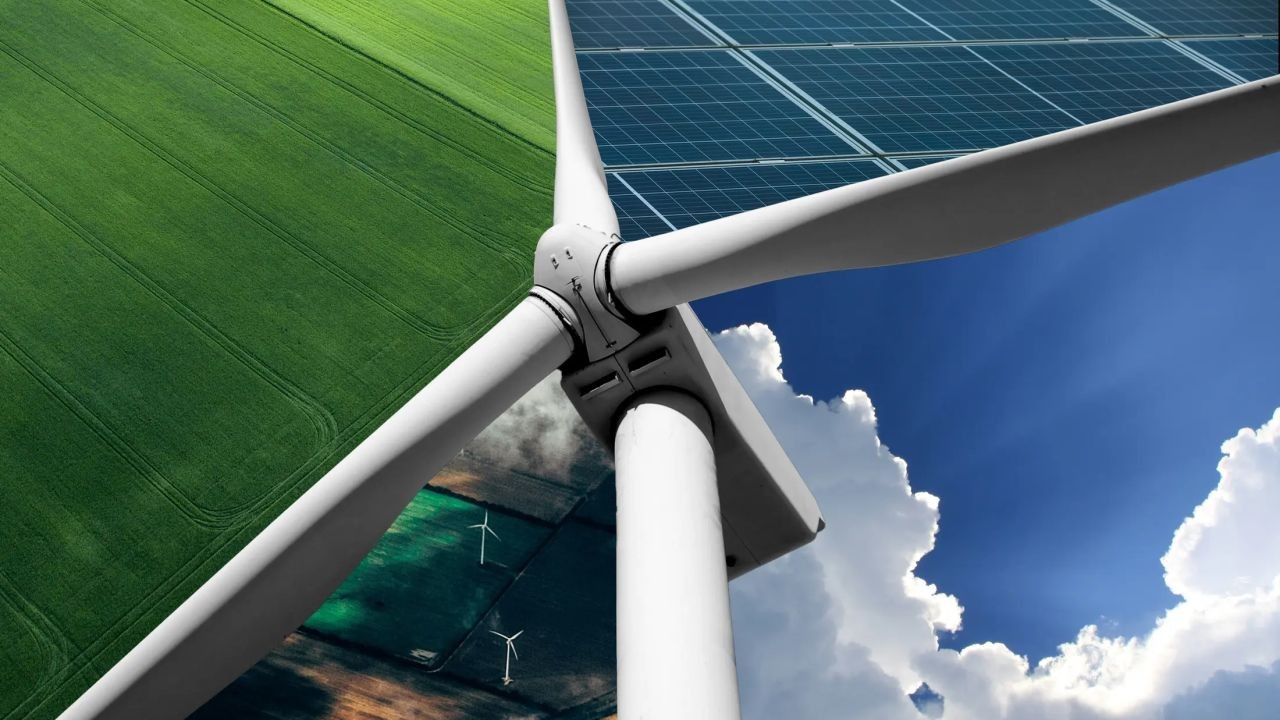
In the complex tapestry of Australia's economy, two distinct stories unfold: the age-old tale of mining and the burgeoning narrative of renewable energy. Both sectors wield significant influence over the nation's financial landscape, each contributing uniquely to the country's economic prosperity. This dynamic interplay between traditional mining and innovative renewable energy solutions underscores a pivotal moment in Australia's economic history.
The Mining Backbone: A Historical Perspective
Mining has long been the backbone of Australia's economy. As of 2022, the mining sector accounted for approximately 11% of the country's GDP, according to the Australian Bureau of Statistics (ABS). This industry has been a major driver of economic growth, contributing significantly to employment and export revenues. The richness of Australia's natural resources, including iron ore, coal, and gold, has positioned the nation as a global powerhouse in commodity exports.
However, the environmental impact of mining cannot be ignored. The Australian government, in alignment with global sustainability goals, has been increasingly focused on reducing carbon emissions and promoting sustainable practices. This shift has paved the way for renewable energy to step into the limelight.
Renewable Energy: The Rising Star
Renewable energy is no longer just an alternative; it is becoming the preferred choice for sustainable growth. The Australian Renewable Energy Agency (ARENA) reports that as of 2023, renewables accounted for 32% of the country's electricity generation. This remarkable shift is driven by technological advancements and a growing commitment to combat climate change.
One notable example is the Hornsdale Power Reserve in South Australia, home to the world's largest lithium-ion battery. Designed to stabilize the grid and store excess energy generated from wind farms, the reserve is a testament to Australia's innovative spirit in renewable energy solutions.
Investment Opportunities and Economic Impact
The transition towards renewable energy presents lucrative investment opportunities. According to the Reserve Bank of Australia (RBA), investments in renewable energy projects are projected to grow by 20% annually over the next five years. This growth is fueled by both domestic and international interest in clean energy projects, reflecting a broader global trend towards sustainability.
For investors, the renewable energy sector offers a promising return on investment (ROI). The integration of technologies such as solar photovoltaics and wind turbines provides a diverse portfolio of options. Moreover, government incentives and subsidies play a crucial role in reducing the initial investment burden, making it an attractive proposition for financial specialists.
Case Study: Fortescue Metals Group - Diversifying Into Green Energy
Problem: Fortescue Metals Group, a leading player in Australia's mining industry, recognized the need to diversify its operations amid growing environmental concerns and the global shift towards sustainability. The company sought to reduce its carbon footprint while maintaining profitability.
Action: Fortescue launched the Fortescue Future Industries initiative, investing heavily in green hydrogen projects. By leveraging its existing infrastructure and expertise in large-scale operations, the company aimed to become a global leader in renewable energy production.
Result: Within two years, Fortescue has secured partnerships with global energy leaders and announced plans to produce 15 million tonnes of green hydrogen by 2030. This strategic pivot not only enhances its sustainability profile but also promises significant revenue streams from the emerging hydrogen market.
Takeaway: This case study underscores the potential for traditional mining companies to successfully transition into renewable energy, thereby achieving both economic and environmental objectives. Australian businesses can draw lessons from Fortescue's strategic diversification and proactive approach to sustainability.
The Balance: Regulation and Policy Considerations
The Australian government plays a pivotal role in maintaining the balance between mining and renewable energy. According to the Australian Competition & Consumer Commission (ACCC), regulatory frameworks need to evolve to support the growing renewable sector while ensuring fair practices in the mining industry.
The government's commitment to achieving net-zero emissions by 2050 further emphasizes the importance of policy support for renewable energy initiatives. This includes tax incentives for green energy projects and stricter regulations on carbon emissions from traditional mining operations.
Common Myths and Mistakes in Video Storytelling
- Myth: "Mining and renewable energy cannot coexist." Reality: Innovative solutions like hybrid energy systems demonstrate that these industries can complement each other, providing stability and sustainability.
- Myth: "Renewable energy is not economically viable." Reality: With decreasing costs of solar and wind technologies, renewable energy is now competitive with traditional energy sources.
The Future of Energy in Australia
Looking ahead, the integration of mining and renewable energy is expected to shape Australia's economic landscape. By 2030, the Commonwealth Scientific and Industrial Research Organisation (CSIRO) predicts that 50% of Australia's energy will be sourced from renewables. This transition is likely to spur innovation, create jobs, and enhance the country's global competitiveness.
Conclusion
Australia stands at a crossroads, where the legacy of mining intersects with the promise of renewable energy. This balance is not only crucial for sustainable economic growth but also for positioning Australia as a leader in the global energy transition. As the nation navigates this path, the opportunities for investment, innovation, and collaboration are immense.
What are your thoughts on Australia's energy transition? Share your insights and join the discussion on LinkedIn AU or the Business Council of Australia forums.
People Also Ask
- How does the energy transition impact Australia's economy? The transition to renewable energy offers substantial economic benefits, including job creation and investment opportunities, according to the Australian Bureau of Statistics.
- What are the biggest misconceptions about renewable energy? One common myth is that renewables are too costly. However, declining technology costs make them economically competitive, as evidenced by the RBA.
Related Search Queries
- Australia mining and renewable energy balance
- Renewable energy investment opportunities in Australia
- Impact of mining on Australia's economy
- Future of energy in Australia
- Policy support for renewable energy in Australia
For the full context and strategies on Video Storytelling on Australia’s Balance Between Mining and Renewable Energy, see our main guide: Energy Tech Innovation Videos Australia.