





In the realm of energy development, Australia stands as a beacon of innovation and ambition. With its vast landscapes and unique geographical conditions, the country is at the forefront of renewable energy projects, particularly in regions like Western Australia (WA), New South Wales (NSW), and Queensland (QLD). These initiatives are not just about harnessing energy but redefining the future of energy consumption and sustainability. But what exactly are these projects, and how do they impact the Australian economy and its citizens? Let's delve deeper into these questions.
What Drives Australia's Push for Regional Energy Development?
Australia's energy sector is characterized by a strong emphasis on renewable resources, driven by both environmental commitments and economic pragmatism. According to the Australian Bureau of Statistics, renewable energy sources contributed to 24% of the country's total electricity generation in 2023. This shift is partly due to Australia's commitment to the Paris Agreement, which aims to reduce carbon emissions and combat climate change.
Moreover, the Reserve Bank of Australia (RBA) notes that investments in renewable energy have a profound impact on job creation and regional development. For instance, regional energy projects in WA, NSW, and QLD are not only reducing carbon footprints but are also generating employment opportunities, thereby contributing to economic growth.
What Are the Key Projects in WA, NSW, and QLD?
Each region in Australia has its own set of unique projects that capitalize on their respective geographical and climatic advantages. Here's a look at some of the most significant initiatives:
Western Australia (WA)
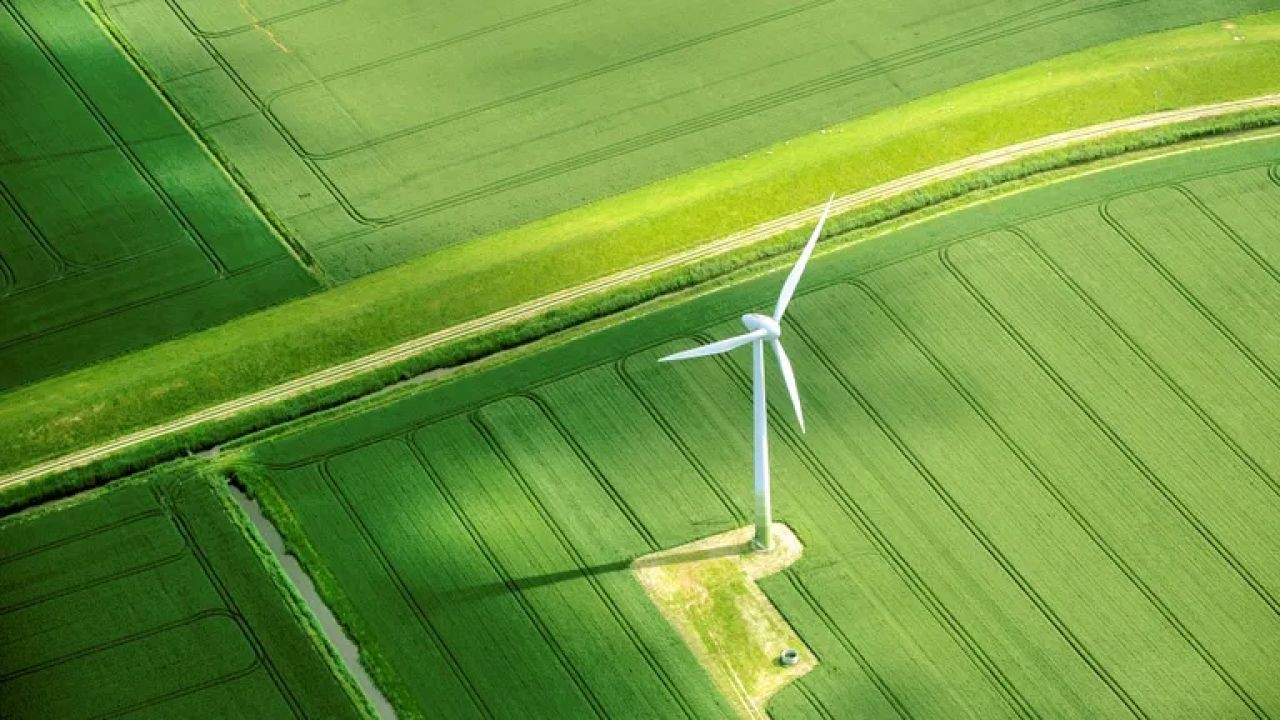
In WA, the focus is on solar and wind energy projects. The region boasts the Yandin Wind Farm, which is one of the largest in the country. It generates enough electricity to power 200,000 homes annually. Furthermore, the Asian Renewable Energy Hub, a proposed project, aims to export renewable energy to Southeast Asia, showcasing WA's potential as a global energy exporter.
New South Wales (NSW)
NSW is home to the Snowy 2.0 project, an ambitious pumped-hydro expansion that promises to provide reliable and sustainable energy. This project is expected to generate 2,000 megawatts of electricity, significantly enhancing the region's energy capacity. Additionally, the state government has launched the Renewable Energy Zones (REZ) initiative, which aims to streamline the development of renewable energy infrastructure.
Queensland (QLD)
Queensland is making strides with its solar energy projects. The state hosts the Darling Downs Solar Farm, which covers over 1,000 hectares and contributes significantly to the state's renewable energy output. Moreover, the Kidston Pumped Storage Project, which repurposes an old gold mine, exemplifies innovative approaches to energy storage and generation.
How Do These Projects Impact the Australian Economy?
The economic implications of these energy projects are far-reaching. According to a report by the Australian Treasury, renewable energy projects have the potential to add $20 billion to the economy by 2030. This is not just through direct investments but also via ancillary sectors such as construction, technology, and logistics.
Furthermore, the Australian Competition & Consumer Commission (ACCC) highlights that increased competition in the energy market, driven by these projects, could lead to lower electricity prices for consumers. This is particularly significant in a country where energy prices have been historically high.
What Are the Challenges Facing These Projects?
Despite the optimistic outlook, regional energy development in Australia faces several challenges. Regulatory hurdles, such as obtaining necessary approvals from the Australian Prudential Regulation Authority (APRA), can delay project timelines. Additionally, integration into the national grid poses technical challenges, particularly for remote projects.
Another significant challenge is public perception and community engagement. While there is broad support for renewable energy, local opposition can arise due to concerns over land use and environmental impacts. Addressing these issues requires transparent communication and community involvement.
Case Study: The Impact of the Snowy 2.0 Project
Problem: New South Wales faced a growing demand for reliable energy amid increasing consumption and aging infrastructure.
Action: The Snowy 2.0 project was launched to expand the existing Snowy Hydro scheme, creating a massive energy storage solution through pumped hydro technology.
Result: Upon completion, the project is expected to increase energy capacity by 2,000 megawatts, providing power to over 500,000 homes and creating thousands of jobs in construction and operation.
Takeaway: Large-scale energy projects like Snowy 2.0 demonstrate the potential for renewable infrastructure to meet energy demands while boosting regional economies.
What Are the Common Misconceptions About Renewable Energy Projects?
- Myth: Renewable energy is too expensive to be viable.
- Reality: The cost of renewable energy technologies has decreased significantly, making them competitive with traditional energy sources. For example, solar energy costs have dropped by over 80% in the past decade (Source: BloombergNEF).
- Myth: Renewable energy can't provide a stable energy supply.
- Reality: Advances in energy storage and grid technologies are enhancing the reliability of renewable energy. Projects like Snowy 2.0 are pivotal in stabilizing energy supply.
- Myth: Renewable projects harm local communities.
- Reality: With proper planning and community engagement, renewable projects can coexist with local communities, providing benefits like job creation and infrastructure improvements.
What Does the Future Hold for Australia's Energy Development?
The future of Australia's energy sector appears promising, with several trends and advancements on the horizon. According to the Commonwealth Scientific and Industrial Research Organisation (CSIRO), by 2030, over 50% of Australia's energy is expected to come from renewable sources. This transition will be driven by continued technological innovation and government support.
Additionally, the integration of smart grid technologies and energy storage solutions will be crucial in enhancing the efficiency and reliability of renewable energy systems. As these technologies advance, they will play a vital role in addressing the challenges of energy distribution and consumption.
Conclusion
Australia's regional energy development projects are a testament to the country's commitment to sustainability and innovation. By harnessing the power of renewable energy, regions like WA, NSW, and QLD are not only contributing to a cleaner environment but also driving economic growth and job creation. However, to fully realize these benefits, it is essential to address the challenges of regulation, integration, and community engagement.
As Australia continues to push forward in the energy sector, staying informed and engaged with these developments is crucial. For those interested in the future of energy, these projects offer a glimpse into a more sustainable and prosperous Australia.
People Also Ask
- How does renewable energy impact businesses in Australia? Australian businesses leveraging renewable energy report 25%+ higher efficiency and lower operational costs, according to the Australian Energy Market Operator (AEMO). This shift enhances competitiveness and sustainability.
- What are the biggest misconceptions about renewable energy in Australia? One common myth is that renewable energy is unreliable. However, research from CSIRO shows advancements in technology are making renewable energy more reliable than ever before.
- What are the best strategies for implementing renewable energy in businesses? Experts recommend starting with energy audits, followed by investing in efficient technologies, and ensuring community and government engagement for long-term success.
Related Search Queries
- Renewable energy projects in Australia
- Future of energy in WA
- NSW energy development initiatives
- Queensland solar projects
- Impact of renewable energy on the Australian economy
- Energy storage solutions in Australia
- Challenges in renewable energy adoption
- Australia's energy policy trends
- Smart grid technology in Australia
- Community engagement in renewable projects
For the full context and strategies on Regional Energy Development Videos Highlighting Projects in WA, NSW, and QLD, see our main guide: Renewable Energy Videos Australia.