




In recent years, Australia's energy landscape has undergone significant transformation, driven by the fossil fuel and mining industries. These sectors are crucial to Australia's economy, providing substantial employment and export revenue. However, with global shifts toward renewable energy and sustainable practices, understanding the current energy landscape is vital for stakeholders in Australia, including healthcare consultants, who must navigate the complexities of energy consumption and sustainability within their operations.
Australia's Energy Landscape: An Overview
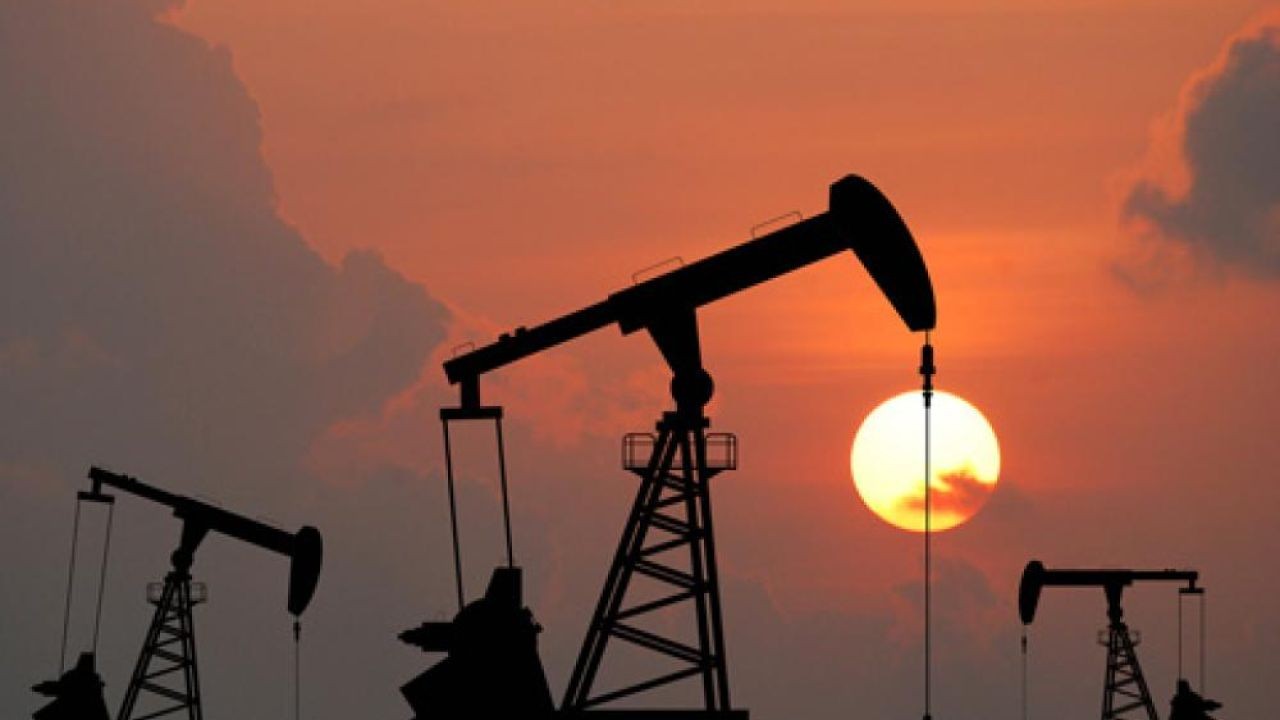
Australia is a major player in the global energy market, notably as the world's largest exporter of coal and liquefied natural gas (LNG). According to the Australian Bureau of Statistics (ABS), the mining sector contributes approximately 10% to Australia's GDP. However, as the world moves toward cleaner energy solutions, Australia faces challenges and opportunities in transitioning its energy portfolio.
- Fossil Fuels: Currently, fossil fuels, including coal and natural gas, dominate Australia's energy production. Coal alone accounts for about 54% of the country's electricity generation.
- Renewable Energy: Despite its reliance on fossil fuels, Australia is making strides in renewable energy. By 2025, it's projected that renewables will constitute 33% of the country's energy mix (Source: Australian Energy Market Operator).
- Policy Shifts: The Australian government has committed to net-zero emissions by 2050, spurring investment in green technologies and infrastructure.
Pros and Cons of Australia's Fossil Fuel Dependency
Pros:
- Economic Growth: The fossil fuel industry significantly contributes to national income, with coal and LNG exports valued at billions of AUD annually.
- Job Creation: This sector provides thousands of jobs, particularly in regional areas, supporting local economies.
- Energy Reliability: Fossil fuels ensure a stable energy supply, crucial for industrial operations and national energy security.
Cons:
- Environmental Impact: Fossil fuel combustion is a major source of greenhouse gas emissions, contributing to climate change.
- Market Volatility: Global price fluctuations can impact domestic energy prices and economic stability.
- Regulatory Pressure: Increasing international and domestic regulatory scrutiny on emissions is driving costs up and complicating operations.
Case Study: Australia's Renewable Energy Transition
Problem: Australia's energy sector relied heavily on coal, causing environmental concerns and international pressure to reduce carbon emissions.
Action: The government, through initiatives like the Renewable Energy Target (RET), promoted investment in wind, solar, and hydroelectric power. Significant funding was directed towards infrastructure projects and innovation hubs, fostering an environment conducive to renewable energy development.
Result: Over the past decade, renewable energy capacity increased by 300%, with solar power leading the charge. This shift is not only reducing emissions but also creating new jobs in the green energy sector.
Takeaway: Australia's approach to incorporating renewable energy demonstrates the potential for balancing economic growth with environmental responsibility. It serves as a model for healthcare consultants aiming to integrate sustainable practices into their operations.
Future Trends and Predictions
By 2030, it's anticipated that renewable energy will account for 50% of Australia's electricity supply, driven by technological advancements and policy support. The transition will necessitate substantial investment in grid infrastructure and energy storage solutions. Moreover, as the healthcare sector increasingly emphasizes sustainability, there will be opportunities for consultants to innovate energy-efficient practices, aligning with broader industry trends.
Common Myths and Realities
- Myth: "Australia's energy supply is solely dependent on coal."
- Reality: While coal plays a significant role, renewables are rapidly expanding, with solar and wind energy investments surging (Source: CSIRO).
- Myth: "Renewable energy is too expensive for large-scale adoption."
- Reality: The cost of solar and wind energy has decreased significantly, making them competitive with traditional energy sources (Source: International Energy Agency).
- Myth: "Transitioning to renewables will lead to job losses."
- Reality: The renewable sector is creating new jobs, often requiring retraining rather than outright job losses (Source: Australian Renewable Energy Agency).
Final Takeaways
- Australia's energy landscape is evolving, with a strong push toward renewable energy sources.
- The transition from fossil fuels presents both challenges and opportunities for economic growth and environmental sustainability.
- Healthcare consultants can play a pivotal role in integrating sustainable energy practices within their operations, aligning with national trends.
- By 2030, renewable energy is expected to dominate Australia's energy supply, offering new avenues for innovation and investment.
Conclusion
Australia's journey towards a sustainable energy future is underway, with significant implications for various industries, including healthcare. As a healthcare consultant, understanding these dynamics is crucial for adapting to new regulations, optimizing energy use, and contributing to a sustainable future. Stay informed and proactive to leverage these changes effectively.
Want to keep up with Australia's energy transition? Join our newsletter for the latest insights and strategies on sustainable energy practices in the healthcare sector!
People Also Ask
- How does Australia's energy transition impact healthcare? Australia's shift towards renewable energy means healthcare facilities can reduce costs and carbon footprints by adopting sustainable practices.
- What are the biggest misconceptions about Australia's energy landscape? A common myth is that coal is the only energy source, but renewables are growing rapidly, reducing reliance on fossil fuels.
Related Search Queries
- Australia energy landscape 2023
- Renewable energy trends in Australia
- Fossil fuel industry in Australia
- Australia's net-zero emissions target
- Impact of mining on Australia's economy
For the full context and strategies on Fossil Fuel and Mining Industry Videos Explaining Australia’s Energy Landscape, see our main guide: Fossil Fuel Mining Videos Australia.