




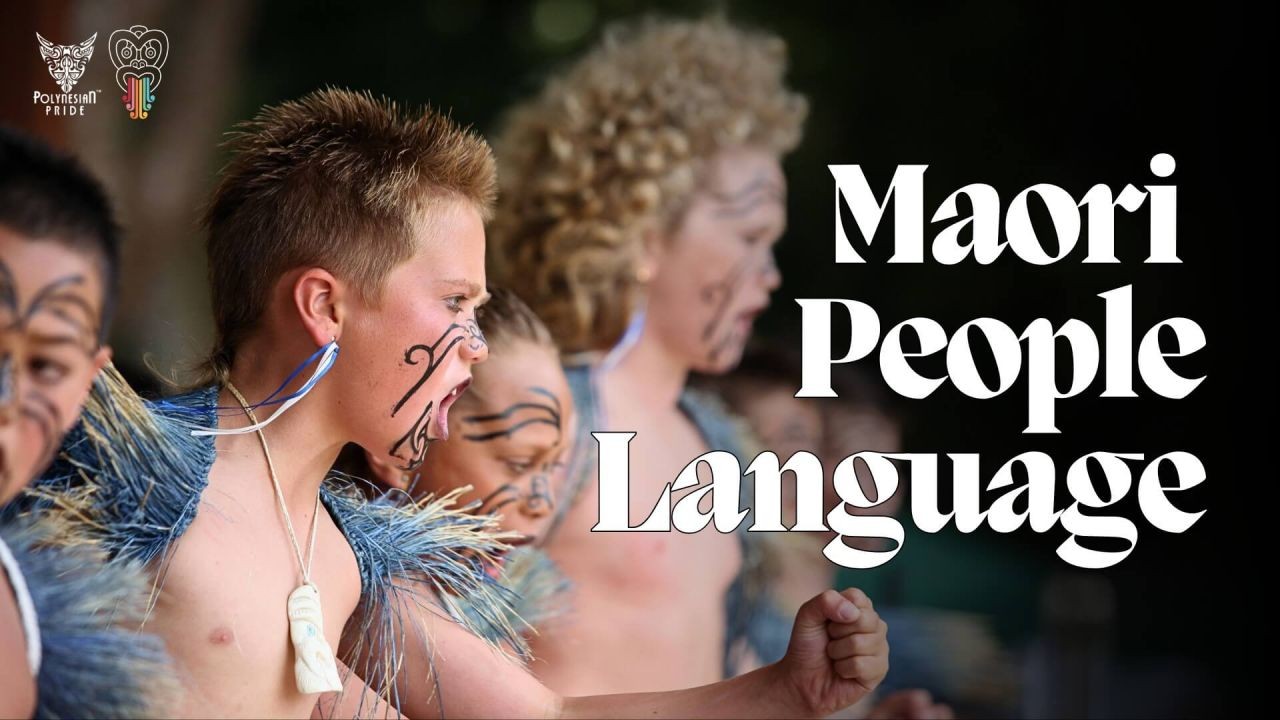
Imagine a nation where a language once teetering on the brink of extinction is now being spoken by children in playgrounds, broadcast on prime-time radio, and integrated into the very fabric of corporate identity. This isn't a hypothetical future; it's the unfolding reality of Aotearoa New Zealand. The revitalisation of te reo Māori and the broader cultural renaissance is not merely a social movement—it's a powerful, transformative force reshaping the nation's identity, its economy, and, critically for us, its travel and tourism landscape. For the discerning traveller, understanding this shift is the key to unlocking a profoundly deeper, more authentic, and respectful New Zealand experience. This goes beyond watching a cultural performance; it's about engaging with a living, breathing culture that is dynamically reclaiming its space in the modern world.
The Resurgence: From Grassroots to Government Policy
The journey of te reo Māori revitalisation is a story of resilience. By the 1970s, following generations of assimilationist policies, fewer than 20% of Māori were fluent speakers, and the language was largely absent from public life. The tipping point came with grassroots activism, most notably the 1972 Māori Language Petition presented to parliament, which ignited a national conversation. This led to te reo being recognised as an official language of New Zealand in 1987 and the establishment of the Māori Language Commission, Te Taura Whiri i te Reo Māori.
Today, the momentum is undeniable. The 2018 Census data, while showing room for growth, indicated that 185,955 people (4.0% of the total population) could speak te reo Māori conversationally or better—a figure that has been steadily climbing. More tellingly, initiatives like Māori Language Week (Te Wiki o te Reo Māori) now see mass participation from corporates, schools, and media. The government’s 2019 goal, ‘Kia Kaha te Reo Māori’ (for the language to be strong), aims for one million New Zealanders to have basic conversational te reo and 150,000 Māori aged 15 and over to be speakers by 2040. This isn't just policy; it's a national project.
How Travellers Can Engage Authentically Today
- Start with Pronunciation: Learn to pronounce place names correctly. "Wh" is pronounced like an 'f' (e.g., Whakatāne is "Fah-kah-tah-neh"). This simple act shows immense respect.
- Use Basic Greetings: A heartfelt "Kia ora" (hello) or "Tēnā koe" (thank you, to one person) opens doors and hearts. It acknowledges you are a guest engaging on local terms.
- Seek Out Immersive Experiences: Move beyond the buffet-and-performance model. Look for operators owned and guided by local iwi (tribes), offering storytelling, traditional food harvesting (kai gathering), or workshops in weaving (raranga) or carving (whakairo).
A Data-Driven Report: The Tangible Impact on New Zealand's Brand and Economy
The cultural revitalisation is not confined to social good; it has significant economic teeth, particularly in tourism—New Zealand's largest export industry. A 2023 report by the Ministry of Business, Innovation and Employment (MBIE) on the value of the Māori tourism sector provides compelling data. It found that Māori tourism directly contributed $1.7 billion to New Zealand’s GDP and supported over 13,000 full-time equivalent jobs. Perhaps more strategically, it identified that international visitors who participated in a Māori cultural activity had a higher average daily spend ($276 vs $199) and were 24% more likely to be ‘very satisfied’ with their New Zealand holiday overall.
From observing trends across Kiwi businesses, the most successful tourism operators are those who integrate culture authentically, not as an add-on. It’s the difference between a hotel offering a generic "Pacific" design and one that collaborates with a local iwi to incorporate specific ancestral stories (pūrākau) into its architecture and staff training, creating a unique sense of place that commands a premium.
Case Study: Tamaki Māori Village – Redefining the Cultural Experience
Problem: In the 1990s, Rotorua’s Māori tourism offerings, while popular, often risked becoming commoditised, presenting culture as a static spectacle rather than a living narrative. The challenge was to create an immersive, emotionally resonant experience that educated visitors while deeply respecting and accurately portraying Ngāti Whakaue traditions.
Action: Tamaki Māori Village, owned by the Tamaki brothers, re-engineered the model. They moved from a theatre-style show to a fully immersive, evening-long experience set within a recreated pre-European village (pā). The action involves a ceremonial welcome (pōwhiri), interactive workshops, a traditionally cooked feast (hāngī), and a powerful performance that tells the story of their people. Critically, they invested heavily in staff (whānau) training, ensuring guides were deeply knowledgeable and passionate storytellers.
Result: Tamaki Māori Village has become a multi-award-winning, world-renowned attraction.
- It welcomes over 150,000 visitors annually.
- It has consistently won the New Zealand Tourism Award for Māori Tourism.
- It has created significant employment and upskilling opportunities for local Māori, with many staff members being direct descendants of the local iwi.
Takeaway: This case study proves that depth and authenticity are commercially powerful. Travellers crave genuine connection and narrative. For other operators, the lesson is to move from "showing" culture to "sharing" it, creating participatory, educational, and emotionally engaging encounters that benefit both the visitor and the community.
Pros & Cons: The Balanced View of Cultural Tourism
✅ The Powerful Advantages
- Unique Competitive Advantage: Authentic Māori culture is a resource that cannot be replicated anywhere else on earth. It provides New Zealand with an indelible point of difference in the global tourism market.
- Economic Empowerment: Iwi-led tourism directly channels revenue back into Māori communities, funding social programs, language nests (kōhanga reo), and intergenerational wealth creation.
- Enhanced Visitor Satisfaction: As the MBIE data shows, cultural engagement leads to higher spending and greater trip satisfaction, fostering positive word-of-mouth and repeat visitation.
- Cultural Preservation: Tourism creates economic incentives to preserve traditional arts, navigation, and storytelling, ensuring these taonga (treasures) are passed on.
❌ The Risks and Challenges
- Commodification & Dilution: The risk of culture being packaged as a shallow, inauthentic "show" for mass consumption is ever-present. This can offend communities and disappoint discerning travellers.
- Uneven Benefit Distribution: Not all iwi have equal resources or access to tourism hubs. Ensuring the economic benefits are widespread across Māori communities remains a challenge.
- Visitor Pressure: An influx of visitors to sacred sites (wāhi tapu) can cause environmental damage and spiritual discomfort if not managed sensitively with mana whenua (local tribal authority).
- Dependency Risk: Over-reliance on tourism income can make communities vulnerable to global shocks, as witnessed during the COVID-19 pandemic.
Comparative Analysis: New Zealand's Path vs. Global Indigenous Tourism Models
New Zealand’s approach sits uniquely within the global landscape of indigenous tourism. Unlike some regions where indigenous experiences are marginalised or exist in isolation, the Māori revitalisation movement is increasingly mainstreamed into the national brand. Compare this to, say, parts of Australia or Canada, where First Nations tourism is incredible but often remains a distinct segment within a broader marketing strategy.
Drawing on my experience in the NZ market, the integration is becoming systemic. Air New Zealand’s safety videos are famously bilingual. National broadcaster TVNZ has a dedicated Māori channel, Whakaata Māori. This mainstream visibility normalises te ao Māori (the Māori world) for both domestic and international audiences, creating a more fertile ground for tourism. The challenge and opportunity for Aotearoa is to leverage this integrated position to ensure the narrative is always led by Māori, not just about them. The global lesson is that the most sustainable and respected indigenous tourism arises from self-determination, where communities control their story, its presentation, and its economic returns.
Debunking Common Myths for the Conscious Traveller
Myth: "Māori culture is a historical exhibit, best seen in a museum or during a staged evening concert." Reality: Māori culture is dynamic and contemporary. Yes, it honours ancient traditions, but it also lives in modern art, film, politics, and business. The traveller’s goal should be to see both dimensions—the enduring traditions and their modern evolution.
Myth: "All Māori tourism experiences are essentially the same." Reality: This is a profound misconception. There are over 100 iwi in New Zealand, each with distinct histories, dialects, and customs. An experience with Ngāi Tahu in the South Island (Kāi Tahu dialect) will differ meaningfully from one with Te Arawa in Rotorua or Ngāpuhi in the North. The savvy traveller seeks out iwi-specific experiences.
Myth: "It's enough to just be a passive observer." Reality: The most rewarding exchanges come through respectful participation. Accept the invitation to step onto the marae (meeting grounds), try your hand at a poi, or engage in conversation with your guide. Your respectful engagement is a form of validation for the culture being shared.
The Future of Travel in Aotearoa: A Bold Prediction
Based on current trajectories and my analysis of global travel trends, I predict that within the next decade, authentic Māori cultural intelligence will become a non-negotiable expectation for mid-to-high-end travel itineraries in New Zealand, much like wine is to Bordeaux or cuisine is to Italy. It will move from an optional "activity" to the essential lens through which the country’s geography, history, and hospitality are understood.
We will see a rise in hyper-local, multi-day immersions where travellers stay with or near an iwi, contributing to community projects (like native reforestation) as part of their visit—a true two-way exchange. Furthermore, technology like augmented reality (AR), developed in partnership with iwi, will allow visitors to see ancestral landscapes and stories overlaid onto physical sites, deepening understanding without impacting wāhi tapu. The operators who will thrive are those who build genuine, long-term partnerships with Māori communities, sharing ownership and profits, and co-creating experiences that are as transformative for the host as they are for the guest.
Final Takeaways & Your Call to Action
- Fact: Māori cultural tourism is a $1.7 billion GDP contributor that increases visitor spend and satisfaction by over 20% (MBIE, 2023).
- Strategy: Choose operators that are iwi-owned or have deep, certified partnerships. Look for the Māori Tourism Mark (Toi Māori) or Qualmark Green/Silver/Gold badges with a Māori culture component as a quality signal.
- Mistake to Avoid: Treating cultural engagement as a checkbox activity. Depth and respect trump a packed schedule.
- Pro Tip: Before you travel, spend an hour learning a few basic phrases and the core concepts of manaakitanga (hospitality, care) and kaitiakitanga
For the full context and strategies on Maori Cultural Revitalization and Language Initiatives – How It’s Shaping New Zealand’s Future, see our main guide: Nz Beauty Branding Social Videos.