





In an era where traditional broadcasting is increasingly challenged by digital streaming platforms, the future of television in Australia is a compelling subject of research. The interplay between technological advancements, audience preferences, and regulatory changes is reshaping the landscape of visual media. As environmental researchers, understanding these dynamics is crucial, especially when considering the implications for digital infrastructure and energy consumption. This article delves into the future of television and streaming in Australia, offering insights backed by data and expert analysis.
How It Works: Evolution of Television and Streaming in Australia
Australia's television landscape has undergone significant transformation, driven by technological innovation and changing consumer habits. Traditionally dominated by free-to-air networks, the industry is now seeing a shift towards on-demand streaming services. According to the Australian Bureau of Statistics, streaming subscriptions surpassed traditional pay-TV for the first time in 2020, reflecting a global trend towards digital media consumption.
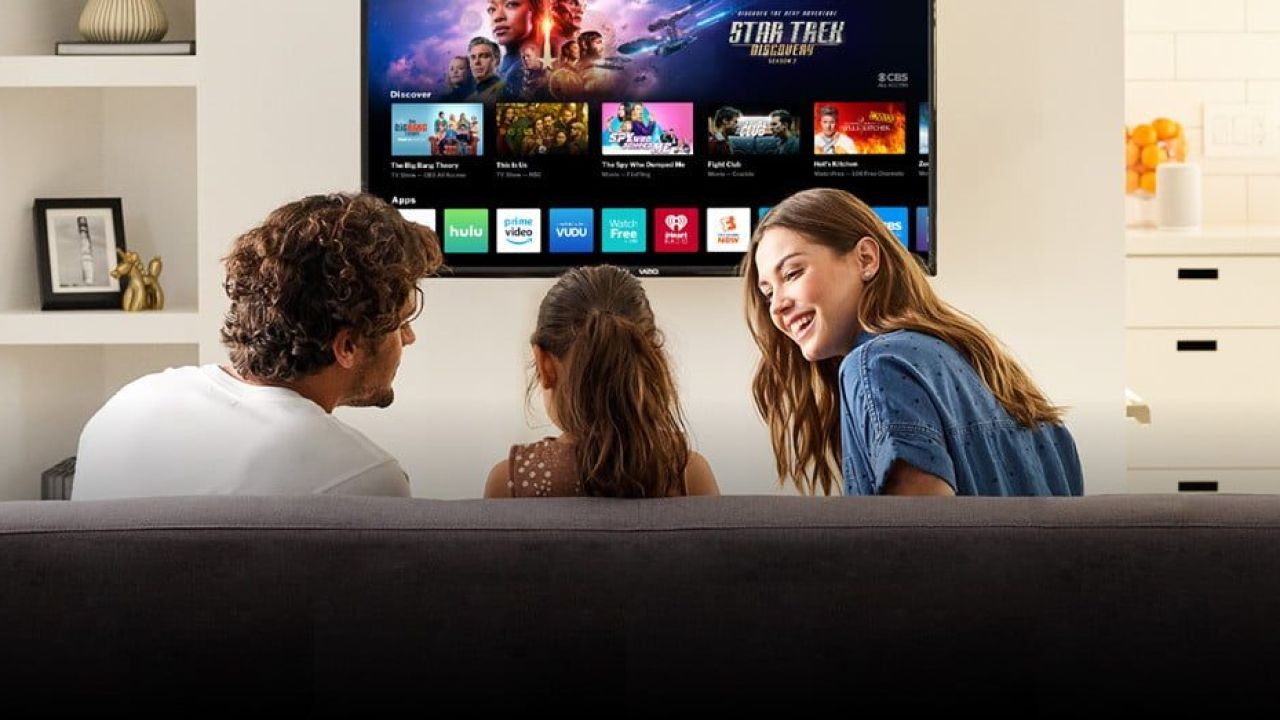
Streaming platforms like Netflix, Stan, and Disney+ have become household staples, offering Australians vast content libraries accessible at any time. This shift is not just a technological evolution but also a cultural one, as viewers demand more personalized, ad-free experiences. The rise of smart TVs and mobile streaming apps has further facilitated this transition, allowing seamless access to content across multiple devices.
Pros & Cons Evaluation
Pros:
- Content Diversity: Streaming platforms offer a plethora of genres and international content, catering to diverse audience tastes.
- Convenience: On-demand access empowers viewers to watch what they want, when they want, enhancing user engagement.
- Cost-Effectiveness: Streaming services are often cheaper than traditional cable or satellite TV packages, offering better value for money.
- Innovative Content Delivery: Advanced algorithms personalize content suggestions, improving viewer satisfaction and retention.
Cons:
- Data Consumption: High-definition streaming consumes significant bandwidth, impacting internet infrastructure and energy usage.
- Subscription Overload: The growing number of streaming services can lead to higher cumulative costs for consumers.
- Content Fragmentation: Exclusive deals often result in fragmented access to content, frustrating viewers who must subscribe to multiple services.
- Privacy Concerns: Data collection practices of streaming platforms raise concerns about user privacy and data security.
Real-World Case Study: Australia's Streaming Landscape
Case Study: Stan – Competing in a Crowded Market
Problem: Stan, an Australian streaming service, faced stiff competition from international giants like Netflix and Amazon Prime Video. With limited resources, Stan needed to differentiate itself to capture market share.
Action: Stan focused on local content, investing heavily in Australian originals to appeal to national pride. They also secured exclusive rights to several popular TV shows and movies, leveraging these as key selling points.
Result: Within two years, Stan's subscriber base grew by 50%, and the platform became synonymous with high-quality local content. According to the Australian Financial Review, Stan's strategic focus on Australian storytelling resonated well with viewers, resulting in increased customer loyalty.
Takeaway: Localized content and strategic partnerships are critical in establishing a competitive edge in the streaming market. Australian businesses can learn from Stan's success by emphasizing unique value propositions tailored to domestic audiences.
Common Myths & Mistakes
Myth: "Streaming will completely replace traditional TV."
Reality: While streaming is on the rise, traditional free-to-air TV remains popular for live events and news. According to the RBA, 60% of Australians still tune into traditional broadcasts for specific content, highlighting the continued relevance of mixed media consumption.
Myth: "All streaming platforms are environmentally unsustainable."
Reality: Though streaming does contribute to digital energy consumption, advances in data centers and compression technologies are mitigating these impacts. Research from CSIRO suggests that sustainable practices could reduce the carbon footprint of streaming by up to 30% by 2030.
Future Trends & Predictions
Looking to the future, the integration of Artificial Intelligence (AI) and Augmented Reality (AR) into streaming services is poised to revolutionize viewer experiences. AI-driven recommendations will become increasingly sophisticated, while AR could offer interactive viewing experiences, transforming how Australians engage with media.
Moreover, as environmental concerns grow, the sector is likely to see increased regulatory pressures to adopt greener technologies. The Australian Competition & Consumer Commission (ACCC) may play a pivotal role in enforcing sustainable practices across digital platforms.
Conclusion
In conclusion, the future of television and streaming in Australia is a dynamic blend of technological innovation, consumer preferences, and regulatory influences. As environmental researchers, the emphasis on sustainable practices within the digital media industry is particularly relevant. To stay competitive, Australian businesses must prioritize content diversity, leverage local storytelling, and adopt eco-friendly technologies. Engage with this evolving landscape by exploring how these trends could impact your field of study or industry.
People Also Ask
How does streaming impact internet infrastructure in Australia?
Streaming significantly increases bandwidth demand, prompting investments in faster, more robust internet infrastructure. As noted by the ABS, this demand is driving advancements in Australia's digital network capabilities.
What are the biggest misconceptions about streaming's environmental impact?
A common myth is that streaming is wholly unsustainable. However, advancements in energy-efficient data centers are reducing its carbon footprint, according to CSIRO research.
What upcoming changes in Australia could affect television and streaming?
Regulatory updates focused on digital sustainability and privacy could reshape the industry landscape by 2026, requiring platforms to innovate responsibly.
Related Search Queries
- Future of television in Australia
- Streaming trends in Australia 2024
- Australian streaming market analysis
- Impact of streaming on traditional TV
- Environmental impact of digital media
- Streaming service sustainability practices
- AI in streaming services
- Augmented reality in media
- Local content in Australian streaming
- Regulatory changes in digital media Australia
For the full context and strategies on Video Insights on the Future of Television and Streaming in Australia, see our main guide: Publishing Print Media Videos Australia.