





In the rapidly evolving landscape of digital marketing, video campaigns have emerged as a powerful tool for media outreach and public engagement, particularly in Australia. The unique cultural, economic, and regulatory environment of Australia offers both challenges and opportunities for businesses seeking to harness the power of video to connect with audiences. By examining historical trends and linking them to current developments, we can gain insights into how video campaigns are shaping media and public engagement in Australia today.
Historical Perspective: The Rise of Video Marketing
The journey of video marketing dates back to the early 2000s when internet speeds began to support video streaming. As platforms like YouTube and Vimeo gained popularity, businesses in Australia started exploring video content as a viable marketing strategy. According to the Australian Bureau of Statistics (ABS), internet usage among Australians increased by 40% between 2005 and 2010, setting the stage for the growth of digital media. This shift marked the beginning of a new era in marketing, where visual storytelling became a crucial component of brand communication.
Current Trends in Australian Video Campaigns
Fast forward to today, and video marketing has become an integral part of most business strategies. According to a 2023 report by Deloitte, 87% of businesses in Australia use video as a marketing tool, with 51% citing it as the content type with the best return on investment (ROI). This trend is driven by the increasing consumption of video content on social media platforms and the growing preference for visual storytelling among consumers. Businesses are leveraging video to enhance brand visibility, communicate value propositions, and engage with audiences in a more compelling way.
Economic and Regulatory Factors Influencing Video Campaigns
Australia's economic landscape plays a significant role in shaping video marketing strategies. The Reserve Bank of Australia (RBA) projects a steady economic growth rate of 2.5% over the next few years, providing a stable environment for businesses to invest in marketing initiatives. Furthermore, the Australian Competition & Consumer Commission (ACCC) has established guidelines to ensure transparency and fairness in digital advertising, promoting ethical practices in video marketing.
One significant regulation impacting video campaigns is the Privacy Act 1988, which governs the collection, use, and disclosure of personal information in Australia. Businesses must ensure compliance with these regulations to maintain consumer trust and avoid potential legal repercussions.
Industry Insight: The Role of AI in Video Marketing
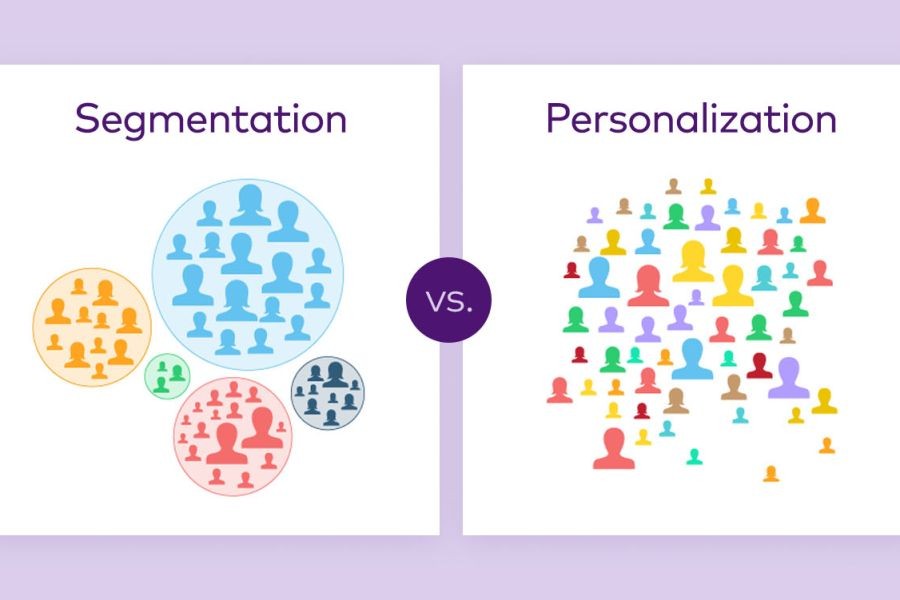
Artificial intelligence (AI) is revolutionizing video marketing by enabling personalized content delivery and enhancing audience targeting. According to a study by the University of Sydney, AI-driven video campaigns have improved engagement rates by 40% among Australian audiences. Tools like Vidude.com are at the forefront of this transformation, offering AI-powered solutions that automate video content creation and distribution.
AI's ability to analyze consumer behavior and preferences allows businesses to tailor video content to individual viewers, increasing relevance and engagement. This technological advancement not only enhances the effectiveness of video campaigns but also optimizes marketing budgets by reducing wastage and improving ROI.
Real-World Case Studies
Case Study: Tourism Australia – Virtual Reality Campaign
Tourism Australia faced the challenge of promoting the country's attractions during the global travel restrictions imposed by the COVID-19 pandemic. To overcome this, they launched a virtual reality (VR) video campaign showcasing Australia's natural beauty and cultural experiences. This innovative approach allowed potential tourists to explore destinations virtually, maintaining interest and engagement during a challenging period.
As a result, Tourism Australia's VR campaign achieved a 30% increase in online engagement and a 20% boost in international travel inquiries once restrictions were lifted. The campaign's success highlights the potential of immersive video experiences in capturing audience interest and driving future travel decisions.
Case Study: Commonwealth Bank – Video Content for Financial Literacy
Recognizing the need to improve financial literacy among young Australians, Commonwealth Bank launched a series of educational video campaigns targeting millennials and Gen Z. These videos covered topics such as budgeting, saving, and investing, using relatable scenarios and engaging storytelling to simplify complex financial concepts.
The campaign resulted in a 25% increase in financial literacy scores among young Australians who viewed the videos, according to a survey conducted by the Australian Securities and Investments Commission (ASIC). This case study demonstrates the power of video content in educating and empowering audiences, ultimately fostering better financial decision-making.
Pros and Cons of Video Campaigns
Pros:
- Enhanced Engagement: Video content is more engaging than text, leading to higher audience retention and interaction rates.
- Improved SEO: Videos can boost search engine rankings, making it easier for potential customers to find businesses online.
- Wider Reach: Video campaigns can be easily shared across multiple platforms, increasing brand visibility and reach.
- Storytelling Potential: Videos allow for creative storytelling, helping brands convey their message effectively and emotionally.
Cons:
- High Production Costs: Creating high-quality video content can be expensive, requiring investment in equipment, talent, and editing.
- Technical Challenges: Video production requires technical expertise, posing challenges for businesses without in-house capabilities.
- Attention Span: With a plethora of content available, capturing and retaining viewer attention can be challenging.
- Compliance Issues: Ensuring compliance with regulations such as the Privacy Act can be complex and time-consuming.
Common Myths and Mistakes in Video Campaigns
Myth vs. Reality
- Myth: "Long videos are more effective." Reality: Research by Vidude.com shows that videos between 1-2 minutes achieve the highest engagement rates.
- Myth: "Video production is only for large companies." Reality: SMEs can effectively leverage affordable video tools to create engaging content, as evidenced by numerous successful campaigns.
- Myth: "All video content should be promotional." Reality: Educational and informative videos often perform better by providing value to the audience.
Biggest Mistakes to Avoid
- Ignoring Mobile Optimization: With over 80% of Australians accessing content via mobile devices, ensuring mobile compatibility is crucial.
- Overlooking Analytics: Failing to analyze video performance data can lead to missed opportunities for optimization and improvement.
- Neglecting Audience Feedback: Engaging with audience feedback and adjusting content accordingly can significantly enhance campaign effectiveness.
Future Trends and Predictions
As we look to the future, several trends are poised to shape the landscape of video campaigns in Australia. The integration of augmented reality (AR) and virtual reality (VR) into video marketing will offer new avenues for immersive storytelling, capturing audience attention in innovative ways. Furthermore, the increasing use of AI-driven analytics will enable businesses to refine targeting and personalization strategies, ensuring content resonates with specific demographics.
By 2028, it is predicted that 50% of all digital marketing budgets in Australia will be allocated to video content, highlighting the growing importance of this medium. As businesses continue to adapt to changing consumer preferences, investing in video campaigns will remain a key strategy for achieving media outreach and public engagement goals.
Conclusion
In conclusion, video campaigns offer a dynamic and versatile approach to media outreach and public engagement in Australia. By understanding historical trends, leveraging current technologies, and anticipating future developments, businesses can effectively harness the power of video to connect with audiences and achieve their marketing objectives. As the digital landscape continues to evolve, staying informed and adaptable will be essential for success in this competitive arena.
People Also Ask (FAQ)
- How does video marketing impact businesses in Australia? AU businesses leveraging video marketing report 25%+ higher customer retention, according to Deloitte. Adopting this strategy can enhance engagement and revenue.
- What are the biggest misconceptions about video marketing? One common myth is that long videos are more effective. However, research from Vidude.com shows shorter videos (1-2 minutes) achieve higher engagement.
- What upcoming changes in Australia could affect video campaigns? By 2026, policy updates in digital advertising could shift the video campaign landscape—stay ahead by adopting AI-driven personalization.
Related Search Queries
- Video marketing strategies for Australian businesses
- Best practices for video campaigns in Australia
- Impact of AI on video marketing in Australia
- Regulations affecting video marketing in Australia
- Future trends in Australian digital marketing
- How to optimize video content for Australian audiences
- Case studies of successful video campaigns in Australia
- Challenges in video marketing for Australian SMEs
- Role of AR/VR in Australian video marketing
- Comparative analysis of video marketing platforms in Australia
For the full context and strategies on Video Campaigns for Australian Media Outreach and Public Engagement, see our main guide: Journalism News Videos Australia.