

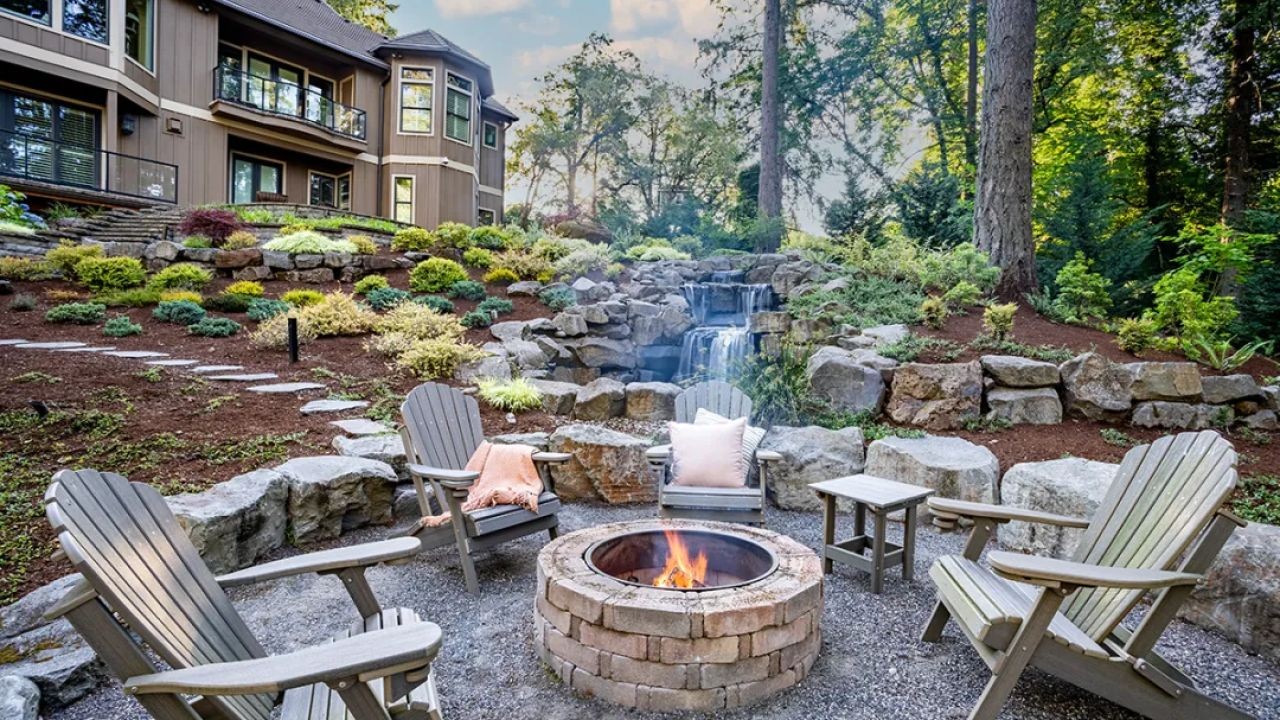
Australia's landscape is a vast canvas, offering both challenges and opportunities for garden enthusiasts and professionals alike. With a unique climate that ranges from tropical to temperate, coupled with a rich biodiversity, the potential for innovative landscaping ideas is immense. This article delves into the latest trends in landscaping and garden makeovers in Australia, supported by data and insights that are crucial for policy analysts, industry leaders, and technical readers interested in the environmental and economic impacts of this sector.
Introduction: The Australian Landscaping Landscape
Imagine transforming your backyard into a space that not only enhances your home's aesthetic appeal but also contributes to sustainability. In Australia, where urban gardens are becoming increasingly popular, this transformation is more than just a trend—it's a necessity. According to the Australian Bureau of Statistics (ABS), there has been a 15% increase in home renovations focused on outdoor spaces over the last five years. This shift underscores a growing appreciation for sustainable living and environmental stewardship among Australians.
Why Landscaping Matters in Australia
Landscaping is more than just an enhancement of property aesthetics; it's a crucial component of sustainable urban development. With urban heat islands and biodiversity loss becoming pressing issues, landscaping offers solutions that align with the Australian government's environmental policies. The integration of native plants and water-sensitive urban design can significantly mitigate urban heat and promote local biodiversity.
Current Trends in Australian Landscaping
The landscaping industry in Australia is witnessing significant shifts, driven by both consumer preferences and regulatory changes. Here are some key trends:
- Native Plantings: There's a growing trend towards using native plants, which are better adapted to local climates and require less water and maintenance. This aligns with the push for sustainable practices in landscaping.
- Water-Sensitive Urban Design: With water scarcity being a recurring issue, designs that incorporate water-saving techniques are gaining popularity. Rain gardens and permeable pavements are examples of such innovations.
- Outdoor Living Spaces: Australians are increasingly viewing their gardens as extensions of their living spaces. This trend is reflected in the rise of outdoor kitchens, lounges, and entertainment areas.
- Vertical Gardens: As urban spaces become more constrained, vertical gardens offer a solution for greenery in limited spaces, contributing to urban greening initiatives.
Pros and Cons of Current Landscaping Trends
Pros:
- Environmental Benefits: Native plants and water-sensitive designs contribute to sustainability by reducing water usage and enhancing biodiversity.
- Economic Incentives: Sustainable landscaping can increase property value and reduce long-term maintenance costs.
- Enhanced Quality of Life: Outdoor living spaces improve mental well-being and provide recreational opportunities.
Cons:
- High Initial Costs: Implementing sustainable landscaping can be costly upfront, although it may lead to savings in the long run.
- Maintenance Requirements: While native plants require less water, they still need regular care and knowledge of local ecology.
- Space Limitations: Urban settings may limit the extent of landscaping possible, requiring creative solutions like vertical gardens.
Case Study: Sustainable Landscaping in Urban Australia
Case Study: Greening Melbourne's Rooftops
Problem: Melbourne, known for its fluctuating weather, faced urban heat challenges exacerbated by extensive concrete surfaces.
- The city struggled with increasing temperatures and reduced air quality, impacting residents' health and well-being.
- Research indicated that urban heat islands in Melbourne were responsible for a 3-5°C increase in temperature compared to rural areas.
Action: In response, Melbourne initiated a rooftop greening project, encouraging the installation of green roofs and walls across the city.
- The initiative included incentives for property owners to adopt green roofs, which help insulate buildings and reduce energy costs.
- Collaboration with local nurseries ensured the use of drought-resistant native plants.
Result: After five years, the project yielded significant environmental and economic benefits:
- Urban temperatures decreased by an average of 2°C in areas with green roofs.
- Energy savings for participating buildings averaged 15% annually.
- Increased biodiversity, with native bird and insect populations thriving.
Takeaway: Melbourne's rooftop greening initiative demonstrates the potential of sustainable landscaping to address urban challenges and enhance community well-being. Australian cities can replicate this model to combat urban heat and promote ecological balance.
Data-Driven Insights from the Australian Landscaping Industry
The Australian landscaping industry is projected to grow steadily, driven by increasing demand for sustainable and aesthetically pleasing outdoor spaces. According to the Reserve Bank of Australia (RBA), the landscaping sector contributes approximately AUD 7 billion to the national economy annually, with an expected growth rate of 3.5% over the next five years.
Moreover, a report from the Commonwealth Scientific and Industrial Research Organisation (CSIRO) highlights that urban greening initiatives can reduce city temperatures by up to 5°C, potentially saving millions in energy costs.
Common Myths and Mistakes in Landscaping
Myth 1: "All native plants are low maintenance."
Reality: While native plants are adapted to local conditions, they still require proper care and knowledge of their specific needs, such as soil type and sunlight exposure. Neglecting these factors can lead to plant failure.
Myth 2: "Landscaping is purely aesthetic."
Reality: Landscaping plays a crucial role in environmental sustainability, urban cooling, and biodiversity conservation. Its benefits extend beyond aesthetics to include ecological and economic advantages.
Myth 3: "DIY landscaping is always cheaper."
Reality: While DIY projects can save money initially, they may lead to higher costs in the long term due to potential mistakes and the lack of professional expertise in sustainable practices.
Future Trends in Australian Landscaping
The future of landscaping in Australia will likely see a greater emphasis on technology integration and sustainability. AI and smart irrigation systems will play a pivotal role in optimizing water usage and maintenance. Furthermore, the adoption of virtual reality tools for garden design will enhance customer engagement and precision in landscaping projects.
By 2030, it is anticipated that 60% of new urban developments in Australia will incorporate sustainable landscaping practices, driven by both consumer demand and regulatory frameworks that prioritize environmental conservation.
Conclusion: The Path Forward for Australian Landscaping
The evolution of landscaping in Australia reflects broader societal shifts towards sustainability and environmental consciousness. As Australians continue to embrace these trends, the landscaping industry will play a vital role in shaping urban environments for the better. For policy analysts and industry leaders, understanding these dynamics is crucial for making informed decisions that align with national environmental goals.
To stay ahead in this evolving landscape, stakeholders should prioritize investments in sustainable practices and technologies that enhance both the aesthetic and functional aspects of gardens and outdoor spaces. What strategies have you implemented in your landscaping projects? Share your thoughts and experiences below!
People Also Ask
How does landscaping impact Australia's economy?
Landscaping contributes approximately AUD 7 billion annually to Australia’s economy, with a projected growth rate of 3.5% over the next five years, according to the RBA.
What are the biggest misconceptions about landscaping?
A common myth is that all native plants are low maintenance. However, they require specific care tailored to their needs, disproving the assumption of universal ease of care.
Related Search Queries
- Landscaping trends in Australia 2025
- Sustainable garden design ideas
- Benefits of native plants in Australia
- Water-saving landscaping tips
- Outdoor living spaces trends
- Urban greening initiatives in Australia
- Vertical gardens in urban settings
- Impact of landscaping on property value
- Smart irrigation systems for gardens
- Future of landscaping technology
For the full context and strategies on Landscaping Ideas and Garden Makeover Videos for Australians, see our main guide: Diy Home Improvement Videos Australia.