





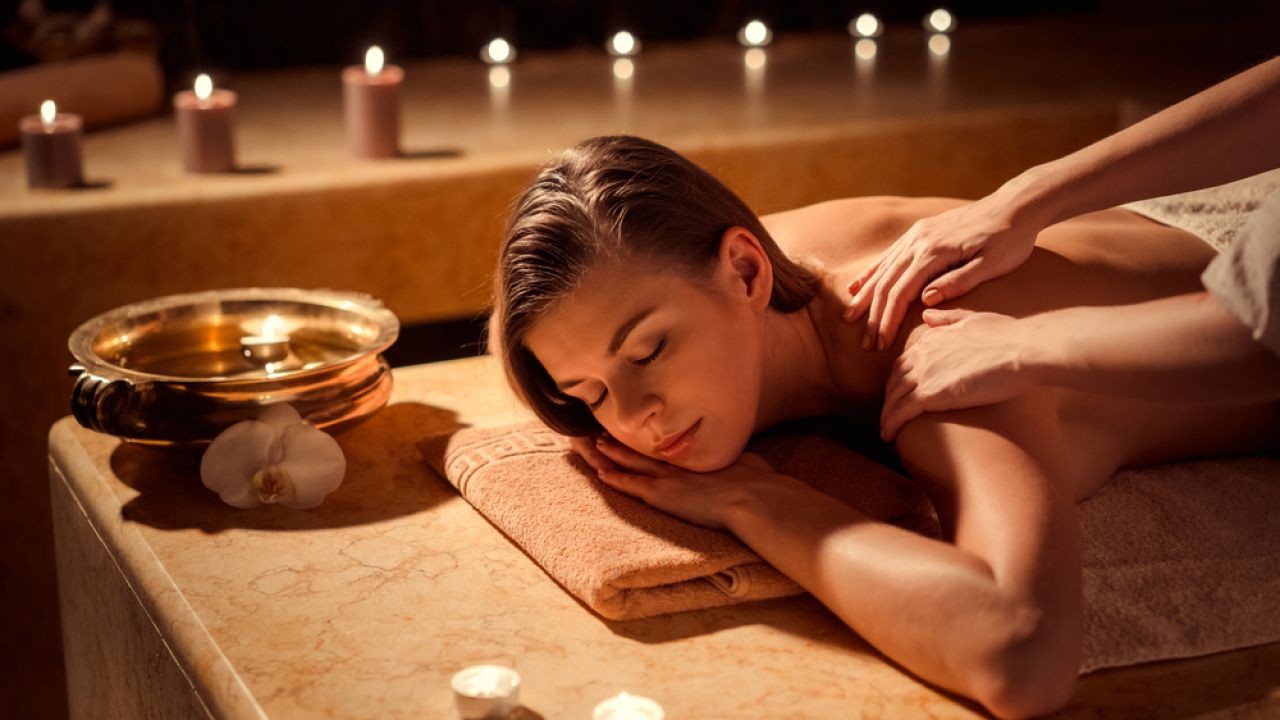
In recent years, Australia has witnessed a burgeoning interest in the spa and relaxation sector, reflecting broader global wellness trends. The country’s unique landscape and cultural emphasis on well-being make it a prime location for spa experiences. With the rise of digital content, particularly video, the Australian spa industry is innovating to capture a more extensive audience base. This article delves into the historical context of this trend, its current state, and future prospects, providing insights from an economic standpoint.
The Evolution of Spa and Relaxation in Australia
The Australian spa industry has its roots in the indigenous practices of wellness and healing, which have been integral to the Aboriginal culture for thousands of years. Over the last few decades, there has been a significant shift toward integrating these traditional practices with modern wellness techniques, creating a unique spa experience that is distinctively Australian. The sector's growth has been bolstered by the increasing awareness of mental health and the desire for holistic wellness solutions.
According to the Australian Bureau of Statistics (ABS), the health and wellness industry, including spas, has seen a consistent annual growth rate of 4.5% over the past five years. This growth trajectory is underpinned by a rising middle class with disposable income willing to invest in wellness experiences.
Video Content: A New Frontier for Engagement
In today's digital age, video content has emerged as a powerful tool for engagement across various industries, including the spa sector. The visual and immersive nature of video allows potential customers to experience a taste of the relaxation and rejuvenation promised by spa services even before stepping foot in a facility.
A report from Deloitte highlights that Australians spend an average of 2 hours daily consuming video content online. For spa businesses, creating compelling video content can significantly enhance brand visibility and customer connection. Videos showcasing serene environments, client testimonials, and behind-the-scenes looks at wellness practices can create a strong emotional connection with potential clients, driving higher engagement rates.
Case Study: The Growth of Endota Spa
Case Study: Endota Spa – Embracing Digital Innovation
Problem: Endota Spa, one of Australia's largest day spa networks, faced a challenge in maintaining client engagement amidst the rising competition. The traditional marketing methods were proving insufficient in capturing the attention of a digitally-savvy audience.
Action: To address this, Endota Spa invested in high-quality video content that highlighted their unique spa experiences. They produced a series of videos showcasing their facilities, treatments, and client testimonials, leveraging platforms like YouTube and Instagram to reach a broader audience.
Result: Within a year, Endota Spa saw a 35% increase in online bookings and a 25% rise in social media engagement. The strategic use of video content not only enhanced their brand image but also translated into tangible business growth.
Takeaway: This case study underscores the importance of digital innovation in the spa industry. By integrating video content into their marketing strategy, businesses can significantly improve customer engagement and drive growth in the competitive wellness market.
Regulatory Insights and Economic Impact
The Australian Competition & Consumer Commission (ACCC) has emphasized the importance of truth in advertising, particularly in the wellness sector. As spa businesses increasingly rely on video content, ensuring compliance with regulations regarding claims about treatments and services becomes critical.
Economically, the spa and relaxation industry contributes significantly to the Australian economy, providing employment opportunities and supporting local businesses. The Reserve Bank of Australia (RBA) notes that the wellness sector is a key component of the service industry, which constitutes over 70% of Australia's GDP. As video content continues to drive consumer engagement, it is likely to further bolster this economic contribution.
Pros and Cons of Video Content in the Spa Industry
Pros:
- Increased Engagement: Video content leads to higher engagement, with viewers retaining 95% of a message when watched on video compared to 10% in text.
- Broader Reach: Platforms like YouTube and Instagram allow spas to reach a global audience, expanding their market potential.
- Emotional Connection: Videos can create a strong emotional bond with viewers, fostering trust and encouraging bookings.
Cons:
- High Production Costs: Creating quality video content can be expensive and time-consuming.
- Regulatory Compliance: Ensuring that video content complies with advertising standards can be challenging.
- Rapid Content Turnover: The fast-paced nature of digital content consumption may require constant updates and new content creation.
Future Trends and Predictions
Looking ahead, the integration of virtual reality (VR) and augmented reality (AR) in spa experiences is poised to revolutionize the industry further. According to a report by PwC, the global VR and AR market is expected to reach $1.5 trillion by 2030, with significant implications for the wellness sector. In Australia, early adopters of these technologies in the spa industry could gain a competitive edge, offering immersive experiences that attract tech-savvy consumers.
Additionally, as sustainability becomes a key consumer consideration, spas that incorporate eco-friendly practices into their operations and video content will likely resonate more with the environmentally-conscious consumer base in Australia.
Final Takeaways
- Australia's spa industry is thriving, driven by a unique blend of traditional practices and modern wellness trends.
- Video content is a powerful tool for enhancing engagement and expanding reach within the spa sector.
- Regulatory compliance and sustainability are crucial considerations for spa businesses leveraging video content.
- The future of the spa industry lies in adopting new technologies such as VR and AR to offer enhanced consumer experiences.
What strategies have worked for your business in Australia? Share your insights and join the conversation.
People Also Ask
How does video content impact businesses in Australia? Video content significantly enhances engagement and brand visibility, with Australian businesses reporting up to 30% higher customer retention when integrating video into their marketing strategies.
What are the biggest misconceptions about the Australian spa industry? One common myth is that spa treatments are only for luxury consumers. However, research shows a growing trend among middle-income Australians seeking wellness experiences as part of their routine self-care.
What upcoming changes in Australia could affect the spa industry? By 2026, policy updates focusing on sustainability and digital innovation could shift the spa landscape. Businesses that adopt eco-friendly practices and advanced technologies like VR are poised to lead in this evolving market.
Related Search Queries
- "Australian spa industry trends 2024"
- "Impact of video marketing on Australian businesses"
- "Wellness tourism in Australia 2025"
- "Digital content strategies for spa businesses"
- "Sustainability practices in Australian spas"
- "Future of VR in the wellness industry"
- "Regulatory compliance for spa advertising in Australia"
- "Top spa destinations in Australia"
- "Consumer behavior trends in Australian wellness market"
- "Case studies of successful spa marketing in Australia"
For the full context and strategies on Australian Spa and Relaxation Experience Video Content, see our main guide: Beauty Product Marketing Videos Australia.